Apple Accused of Siphoning YouTube: A Pivotal Trial
Le brief IA que les pros lisent chaque soir
Les 7 actus IA du jour, décryptées en 5 min. Gratuit.
Inclus dès l'inscription : notre sélection des meilleurs guides & comparatifs IA.
Choisis ton rythme
Gratuit · Pas de spam · Désabonnement en 1 clic
Apple and the Accusation of Siphoning YouTube Videos
In the ever-evolving world of artificial intelligence, the quest for data is relentless. Tech giants require massive amounts of data to feed their AI models. However, the question of the origin of this data has sparked controversy. In April 2026, an influential group of YouTube content creators decided to take legal action against what they consider to be theft of their works.
This collective is led by Ted Entertainment, known for its h3h3Productions channel and podcast, which boasts millions of subscribers. The lawsuit directly targets Apple, accused of circumventing YouTube's security measures to siphon millions of videos without permission. The plaintiffs denounce what they perceive as the free exploitation of their work by the generative AI industry, which generates trillions of dollars without offering financial compensation to creators. This lawsuit is part of a series of similar actions against other tech giants such as Meta, NVIDIA, Snap, and ByteDance, the parent company of TikTok.
Apple's Response to the Accusations
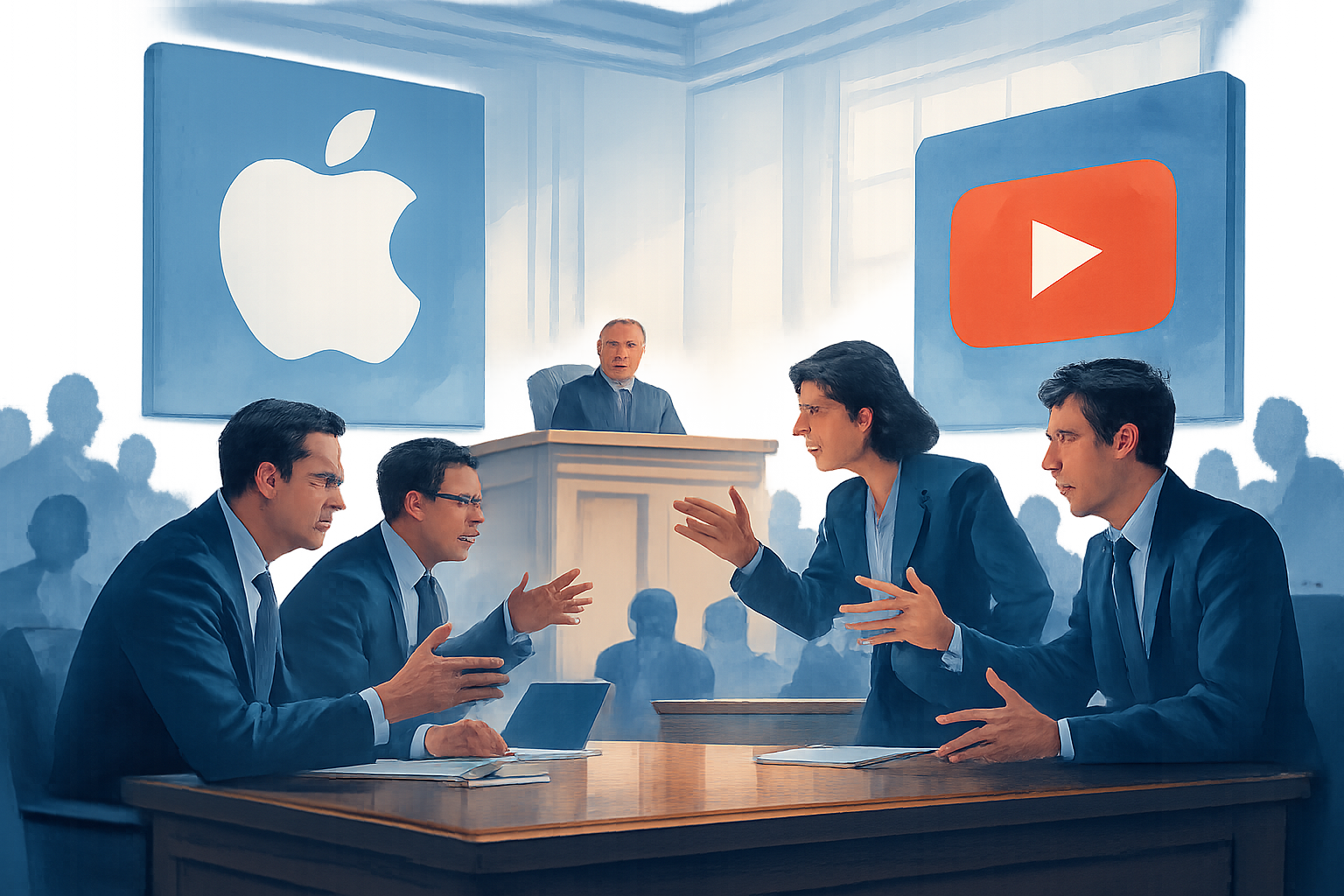
In response to these accusations, Apple acted swiftly. Three months after the lawsuit was filed, the company requested the U.S. judicial system to dismiss the claims. According to Apple, the creators have no legal basis to sue the company. Their argument hinges on the fact that any content freely accessible on the Internet can be used.
Apple refers to the operation of YouTube, a subsidiary of Google, to justify its position. The company emphasizes that the plaintiffs have uploaded works to YouTube, accessible to the public without restriction. There are no passwords, no payments required, and no locks. Apple asserts that even though YouTube employs technical measures to prevent unauthorized downloading, these measures do not control access to the works as required by Section 1201(a). Thus, Apple believes it has merely accessed publicly available data.
The Implications of a Decisive Verdict
The case raises crucial legal questions in the tech sector. Copyright laws did not anticipate the emergence of AI capable of processing millions of videos in record time to create new commercial services. Therefore, the decision of the California federal court will be pivotal for the future of the industry.
If the court rules in favor of Apple, it could set a precedent that any content accessible without a paywall on the Internet can be legally used to train artificial intelligences. Conversely, if the content creators prevail, it could force tech companies to negotiate licenses and compensate authors, as is already the case in other sectors.
This case is being closely monitored by the entire tech industry, as it could redefine the rules of the game regarding the use of online content for the development of artificial intelligence.
Brief IA — L'actualité IA en français
L'essentiel de l'actualité de l'intelligence artificielle, décrypté et expliqué chaque jour.