Netflix's Headroom: A Revolution in LLM Token Compression
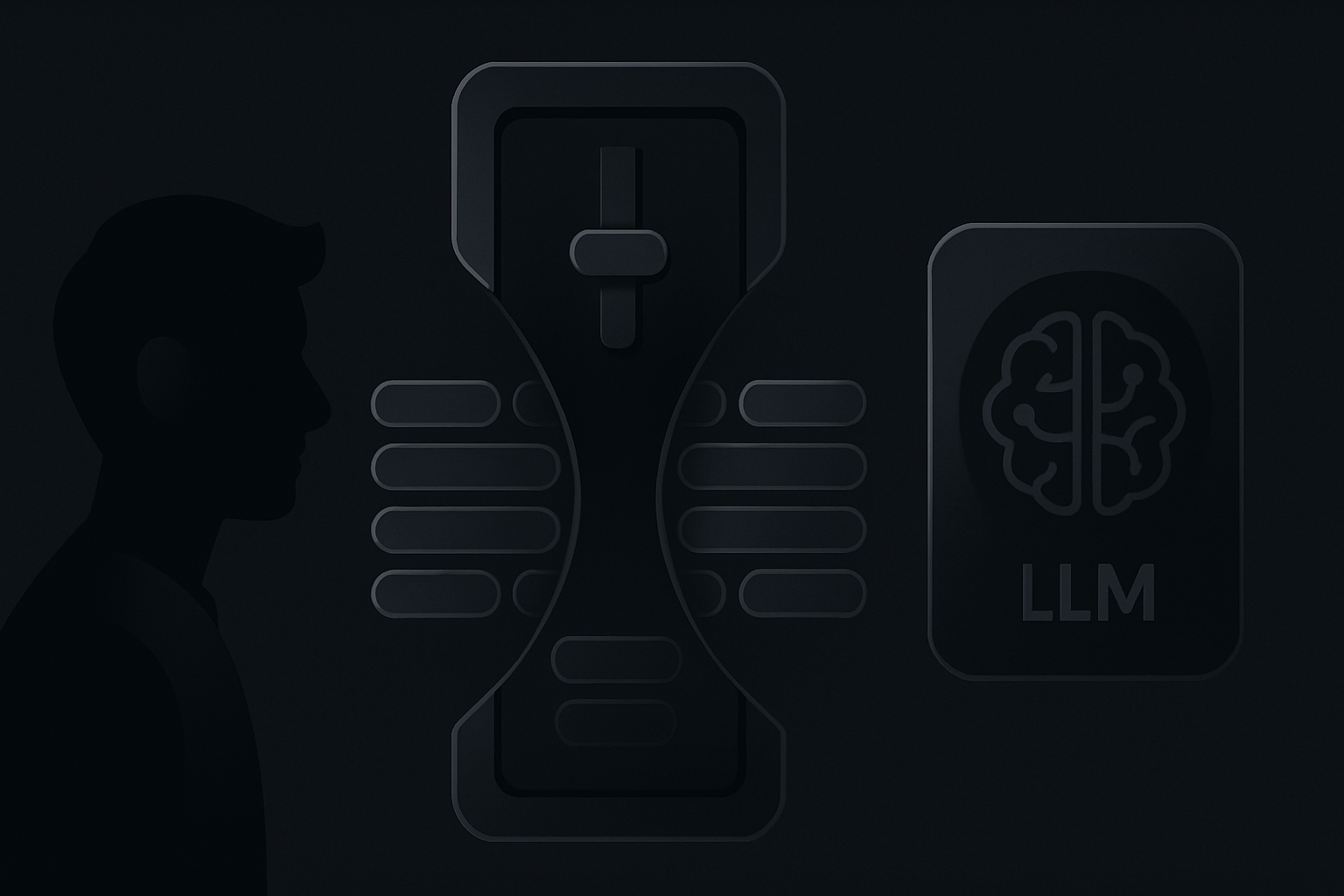
A new open-source tool, called Headroom, could transform the way companies manage costs associated with using language models (LLMs). Developed by Tejas Chopra, an engineer at Netflix, this tool has saved approximately $700,000 in just a few months, without any loss of information.
Headroom functions as a proxy between the user and the LLM, identifying and transmitting only new information. It employs several specialized compressors and a final module, the CCR (Compression, Cache, and Retrieval), to ensure that the compression is reversible. This system significantly reduces the number of tokens sent to the LLM, by up to 90% in some cases.
The idea for Headroom emerged after Chopra received a $287 bill for a session with the Claude model, revealing that the majority of the tokens were unnecessary. These redundant tokens primarily came from automatically generated metadata and verbose JSON schemas.
Le brief IA que les pros lisent chaque soir
Les 7 actus IA du jour, décryptées en 5 min. Gratuit.
Inclus dès l'inscription : notre sélection des meilleurs guides & comparatifs IA.
Choisissez votre rythme
Gratuit · Pas de spam · Désabonnement en 1 clic
Presented at the Open Source Summit of the Linux Foundation in May 2026, Headroom is still in version 0.22, but it has already generated significant interest, garnering 2,000 stars on GitHub. Several internal teams at Netflix and external projects have adopted the tool.
This success comes at a time when controlling token costs is becoming crucial, as many companies seek to optimize their AI spending. Similar solutions, such as Token Company and RTK, are also emerging in the market, while Anthropic offers features to better manage token consumption.
Brief IA — L'actualité IA en français
L'essentiel de l'actualité de l'intelligence artificielle, décrypté et expliqué chaque jour.