LinkedIn : 1 million de signalements et 40 % de vues en moins pour l’IA slop
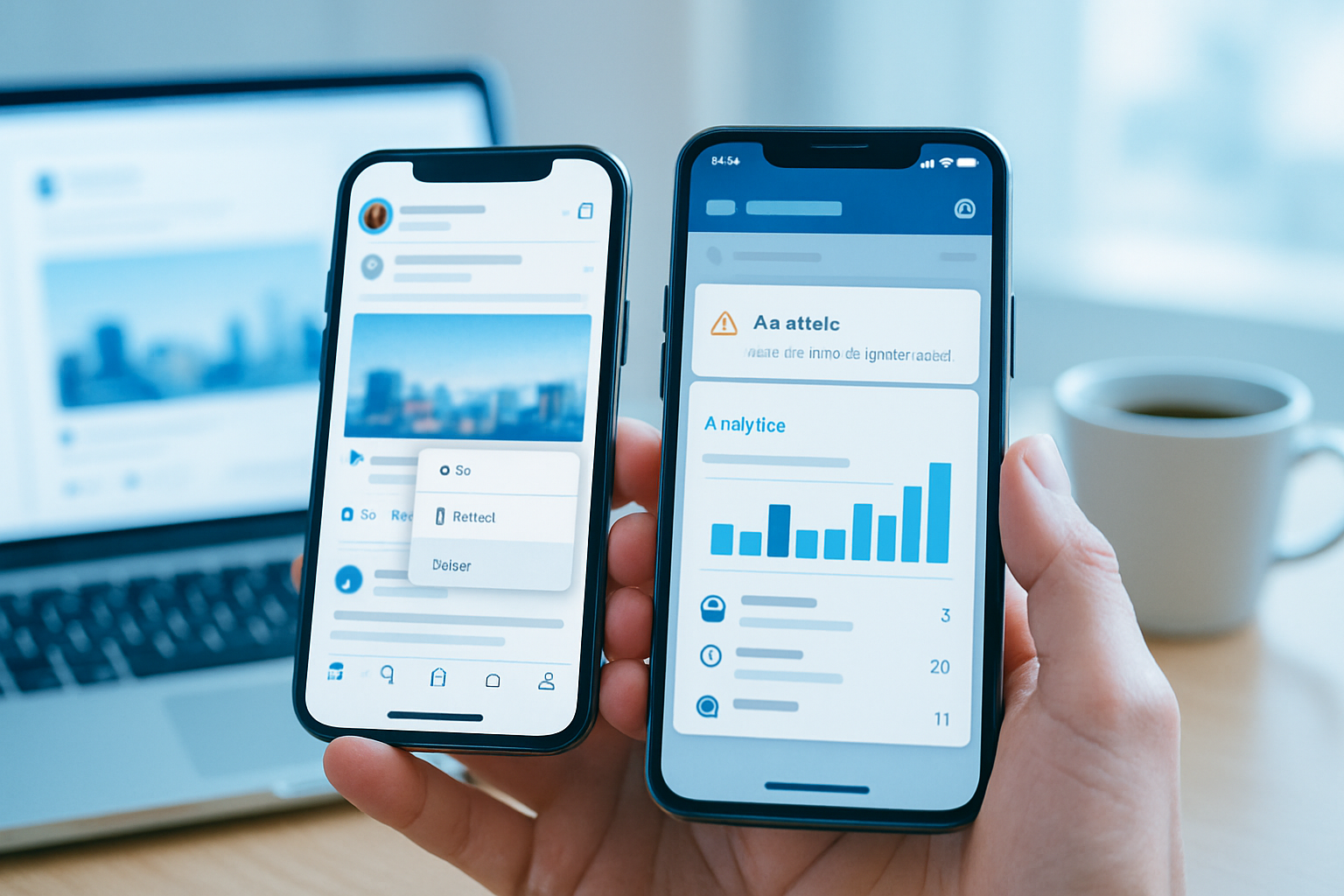
LinkedIn a reçu plus d’un million de signalements de contenus jugés générés par IA en deux semaines Les contenus « IA slop » affichent 40 % de vues en moins, selon Hari Srinivasan Une notification apparaît dans Post Anal
25 août · Lire →L'actu Modèles IA & LLM décryptée, chaque soir
Rejoins les pros qui suivent l'IA en 5 min/jour. Gratuit, sans spam, désinscription en 1 clic.

25 août · Brief IA
Paint et Photos : un identifiant serveur dans chaque image IA
Un identifiant unique de 16 octets, émis côté serveur, est inscrit dans les pixels (InvisMark) et dans un manifeste C2PA

25 août · Brief IA
OpenAI : controverse sur l’équipe Preparedness
Le Financial Times rapporte la dissolution de l’équipe Preparedness d’OpenAI ; l’entreprise dément. OpenAI affirme que d

25 août · Brief IA
Apple prépare un modèle IA sur mesure pour la Chine avec Alibaba
Apple a enregistré en Chine son service d’IA générative sur l’appareil Un modèle de langage dédié au marché chinois aura

25 août · Brief IA
ChatGPT Plus : quota de cinq heures rétabli sur Work et Codex
OpenAI rétablit un quota d’usage sur une fenêtre de cinq heures La mesure concerne les abonnés ChatGPT Plus dans Work et

25 août · Brief IA
États-Unis : 72 % des patients veulent être informés de l’usage de l’IA
72 % des répondants veulent que leur médecin divulgue tout usage de l’IA 47 % ne savent pas si l’IA a déjà joué un rôle
25 août · Brief IA
Microsoft : 300 $ d’IA auto-déclarés sur 28 jours en médiane
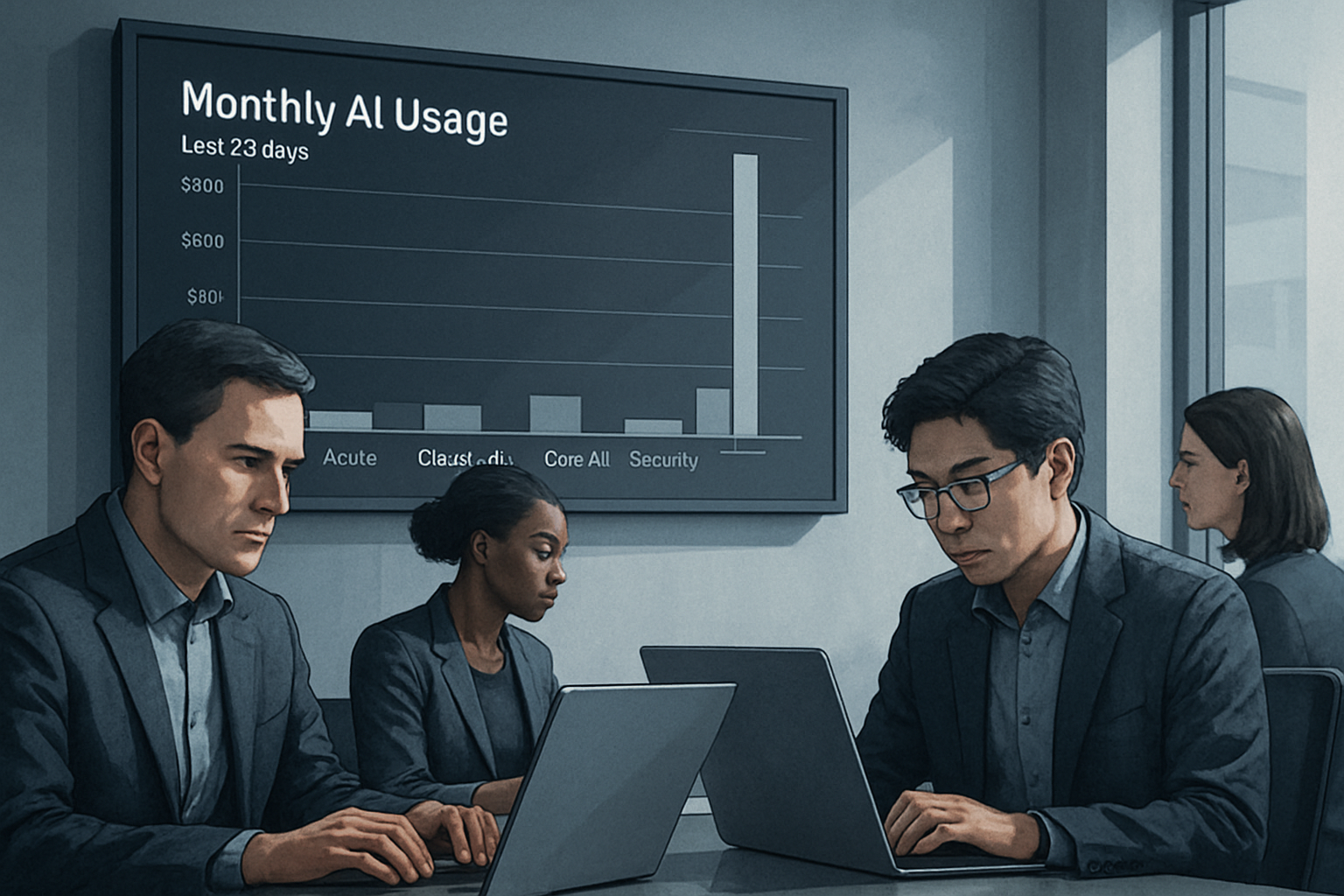
Médiane auto-déclarée de 300 $ d’usage d’IA sur 28 jours, sur ~350 entrées. Écarts par équipe : de 134 $ (MCAPS) à 975 $
Ne rate pas l'actu IA de demain
Le brief essentiel, chaque soir à 19h. Gratuit.

25 août · Brief IA
Situational Awareness : la SEC enquête après une lourde chute
La SEC aurait adressé des assignations à des banques liées au fonds, et les autorités demandent de conserver toutes les

25 août · Brief IA
IA agentique : données, gouvernance et coûts freinent l'échelle
15% des organisations déclarent des déploiements multi-agents orchestrés à l’échelle. 74% des dirigeants estiment qu’à l

25 août · Brief IA
IA : 95 % ont des congés, mais la pression reste forte
95 % des travailleurs de l'information ont accès à des congés payés (BLS). Les entreprises tech offrent en moyenne 19,8

25 août · Brief IA
SLM locaux : guide pratique et réglages avec Ollama
Un modèle de 7 milliards de paramètres fonctionne en local avec environ 8 Go de RAM ou VRAM en quantification 4 bits (po

24 août · Brief IA
Profils LinkedIn : l’IA rétroactive gonflerait 2022 de 30 %
Les ajouts rétroactifs de compétences en IA sur LinkedIn ont été multipliés par plus de six depuis fin 2022 Un relevé de

24 août · Brief IA
Un père automatise tutorat vocal et école avec ChatGPT
ChatGPT trie les documents scolaires, exporte des événements en .ics et, selon Chris Domanski, n’a pas failli sur ces tâ
Ne rate rien de l'actu IA
Reçois chaque soir les 7 meilleures actus IA, décryptées en 5 min. Gratuit.