DeepMind proposes an independent regulator for advanced AI
A Call for AI Regulation by DeepMind
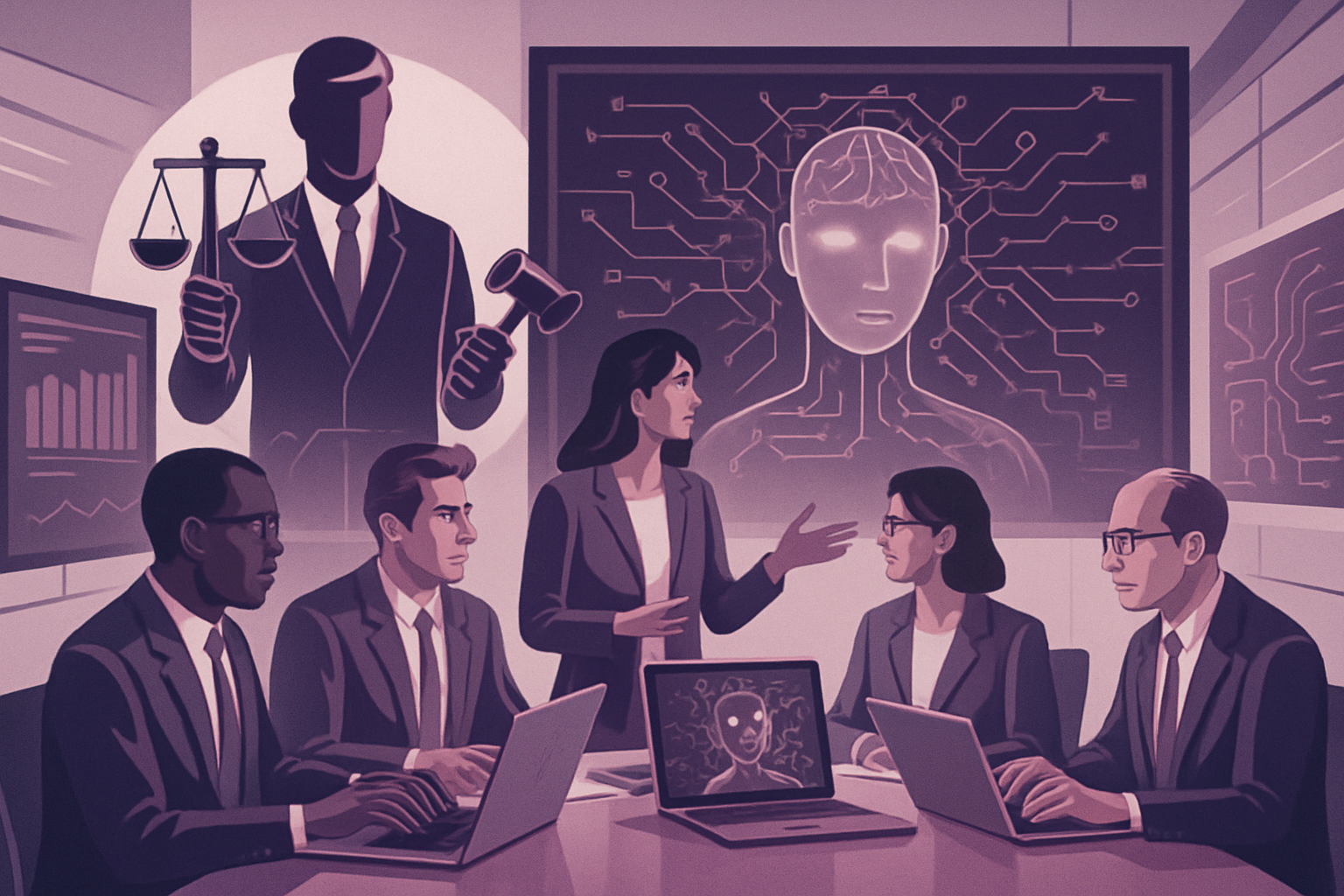
In a recent post on platform X, Demis Hassabis, the CEO of Google DeepMind, called for the establishment of an independent regulatory body to oversee cutting-edge artificial intelligence models. Titled "A Framework for Advanced AI and the Dawn of a New Era," this message proposes the creation of a "standardization body" inspired by the Financial Industry Regulatory Authority (FINRA). This body would be tasked with testing advanced AI models and developing best practices for their market deployment.
A Validation Process Before Launch
Hassabis suggests that, initially, leading-edge laboratories would voluntarily share their models with this body for thorough review, up to 30 days before their official launch. Once the evaluation protocol has proven its effectiveness and robustness, it could be formalized. This would mean that cutting-edge AI models would need to successfully pass these tests to be marketed in the United States. Laboratories would also continue to collaborate with the body to address any critical vulnerabilities that might be identified post-launch.
Critiques of Current Evaluations
The system proposed by Hassabis builds on the one-time evaluations already conducted by the U.S. government on models like Mythos from Anthropic and Sol from OpenAI. These evaluations have been criticized for their lack of technical expertise and the opaque decision-making regarding when a model could be launched. According to Hassabis's proposal, these decisions could be transferred to a new organization, supported by the U.S. government but funded by the AI industry and operated independently.
Le brief IA que les pros lisent chaque soir
Les 7 actus IA du jour, décryptées en 5 min. Gratuit.
Inclus dès l'inscription : notre sélection des meilleurs guides & comparatifs IA.
Choisis ton rythme
Gratuit · Pas de spam · Désabonnement en 1 clic
Controversy Surrounding AI Regulation
The issue of AI regulation is sparking debates both within the tech industry and in the Trump administration. Recently, Sriram Krishnan, AI advisor at the White House and general partner at a16z, dismissed the idea of an AI regulator within the executive branch, stating that "there will be no FDA for AI."
A Self-Regulatory Model Inspired by FINRA
Hassabis proposes structuring this standardization body as a self-regulatory entity, similar to FINRA. He envisions the regulator being composed of representatives from the open-source community and technical experts from the industry, with financial support from AI laboratories to ensure its operation. It may even be possible to outsource certain evaluations to specialized security groups focused on specific risks.
A Technical and Innovation-Focused Approach
According to Hassabis, the strength of this approach lies in its technical orientation while supporting innovation and encouraging responsible behavior. It is designed to keep pace with the rapid evolution of the AI field and adapt to major risks as they are identified. This structure could be strengthened if the severity of situations demands it.
Brief IA — L'actualité IA en français
L'essentiel de l'actualité de l'intelligence artificielle, décrypté et expliqué chaque jour.