Groq: Jonathan Ross Admits His Leadership Hindered the Company
Le brief IA que les pros lisent chaque soir
Les 7 actus IA du jour, décryptées en 5 min. Gratuit.
Inclus dès l'inscription : notre sélection des meilleurs guides & comparatifs IA.
Choisis ton rythme
Gratuit · Pas de spam · Désabonnement en 1 clic
Jonathan Ross Acknowledges His Leadership Mistakes
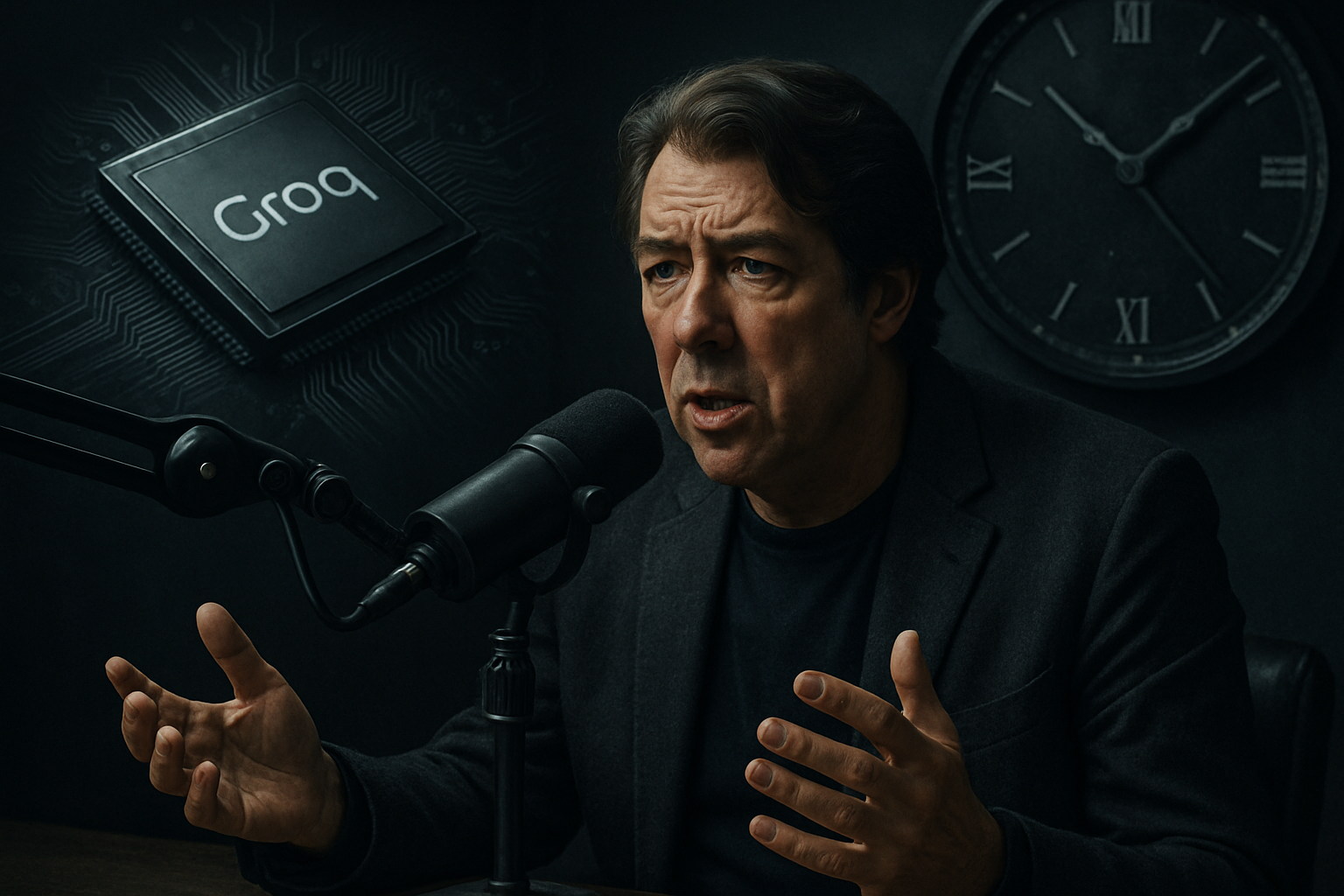
Jonathan Ross, the founder of Groq, recently admitted that his leadership mistakes have caused a significant delay in the development of his company. In his own words, these mistakes have cost Groq between three and four years of progress. Ross identified major issues in his recruitment methods as well as a tendency to delegate excessively.
During an appearance on the "Founders" podcast aired on Sunday, Ross expressed his initial struggles as a leader. "I was a terrible leader," he confessed, adding that he considered himself among the worst leaders in the world at the beginning of his career. He emphasized that his transition from a technical role to that of a manager was particularly costly for the chip manufacturing company.
A Difficult Transition from Engineering to Management
Ross, who previously worked as an engineer at Google, founded Groq in 2016 with the goal of creating chips he calls language processing units. These chips, designed for artificial intelligence inference, position themselves as an alternative to the graphics processing units (GPUs) offered by Nvidia.
In December, Groq entered into a licensing and talent agreement worth approximately $20 billion with Nvidia. This deal allowed Jonathan Ross, along with Sunny Madra, president of Groq, and other key team members, to join Nvidia while keeping Groq as an independent entity. Ross now serves as chief software architect at Nvidia, while Adam Winter, former vice president of Groq, has taken the reins of the company.
Recruitment and Delegation Mistakes
Reflecting on his mistakes, Ross explained that he failed to recruit individuals capable of working independently. He also admitted to having delegated too much, which led to situations where employees were lost without clear guidance. "Things would come to a halt because they didn't know what to do, and I wasn't telling them what to do," he clarified.
To remedy this situation, Ross changed his recruitment approach. He shifted from a focus on the positive qualities of candidates to a more critical assessment of potential negative traits, a strategy he finds more effective for selecting talent.
Challenges Shared by Other Founders
The difficulties faced by Ross are not unique in the tech world. Other leaders have shared similar experiences. For example, Dylan Field, CEO of Figma, discussed his own management mistakes in a podcast in December. He highlighted the difference between leadership and management, admitting that he had to learn how to manage one-on-one meetings and build strong working relationships.
Similarly, Luis von Ahn, CEO of Duolingo, advised founders to practice micromanagement until their company reaches 30 employees. However, he acknowledged that he pushed this practice to 50 employees, later realizing that his primary role was to foster the company's culture and make tough strategic decisions.
Brief IA — L'actualité IA en français
L'essentiel de l'actualité de l'intelligence artificielle, décrypté et expliqué chaque jour.