L122-5: The Legal Loophole Threatening Generative AIs in France
Le brief IA que les pros lisent chaque soir
Les 7 actus IA du jour, décryptées en 5 min. Gratuit.
Inclus dès l'inscription : notre sélection des meilleurs guides & comparatifs IA.
Choisis ton rythme
Gratuit · Pas de spam · Désabonnement en 1 clic
L122-5: The Legal Flaw Threatening Generative AIs in France
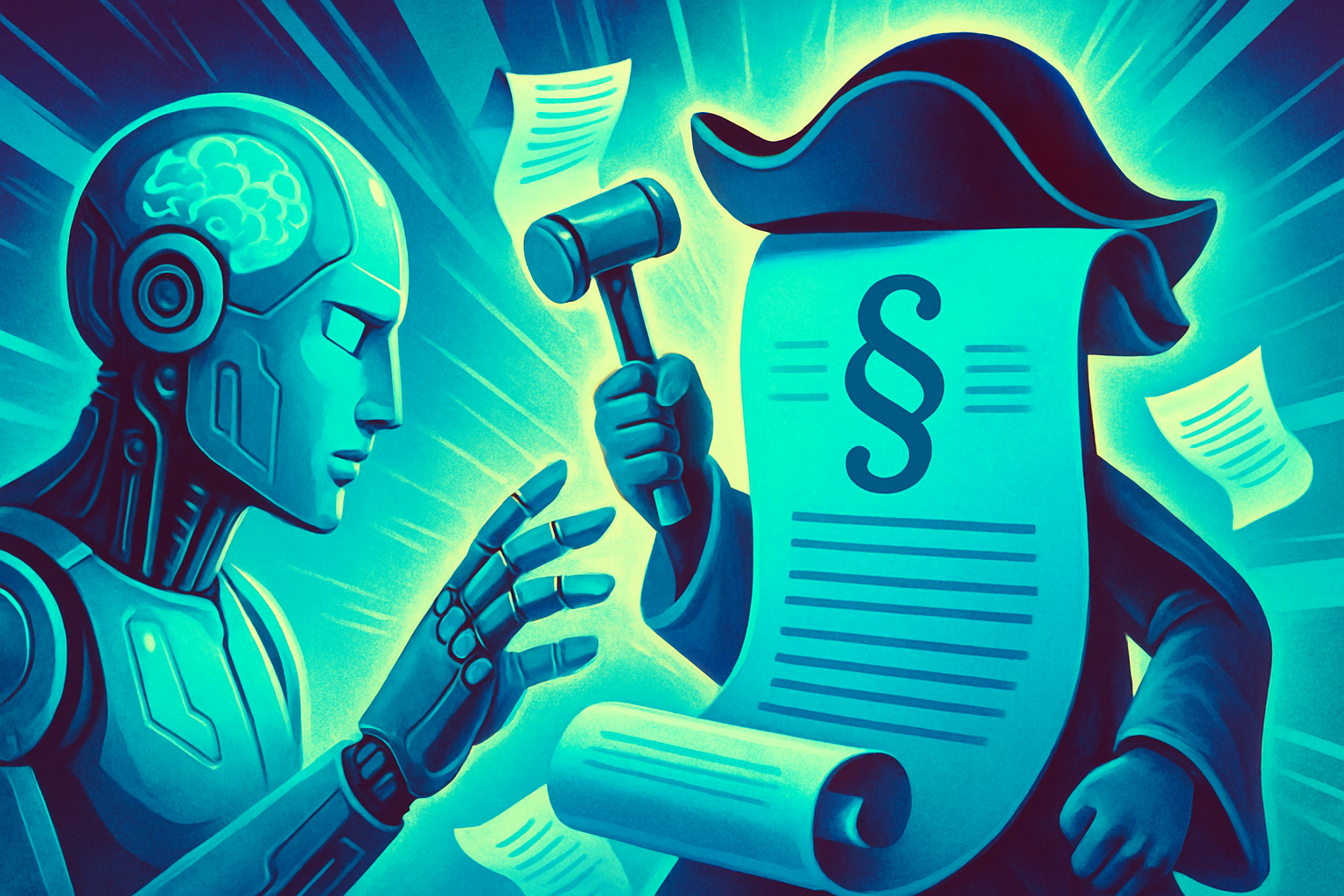
"Machines have no rights; they only have duties." This phrase encapsulates the complex situation in which generative artificial intelligences find themselves in relation to French legislation. At the heart of this controversy is Article L122-5 of the Intellectual Property Code, which is controversially interpreted by AI developers.
Fair Compensation and Protection
Current artificial intelligence systems, which rely on large language models (LLMs), have been built on a fragile legal foundation. Indeed, these AIs often overlook ethical and legal principles by relying on a dubious interpretation of the law. Their operations frequently involve copying and using data from various sources without authorization or compensation, which is explicitly prohibited by French legislation.
Article L122-4 of the Intellectual Property Code prohibits any reproduction or representation of a work without authorization. Yet, many legal websites have been fully scraped by AIs without compensation or attribution, and language models have been fed with pirated content. This practice should logically lead to the prohibition of the AIs engaged in it, but tech companies rely on Article L122-5 to justify their actions.
This article allows for short quotations of content for critical, educational, or informational purposes, provided that the author and source are mentioned. However, AIs do not limit themselves to short quotes but engage in massive copying, which constitutes a clear abuse. The term 'photocopillier' has been coined to describe this action of AIs copying and pillaging data without compensation.
Machines and Human Rights
Lawyers for AI companies have managed to circumvent the spirit of the law, but not its letter. No legal percentage defines what constitutes a "short" quote, but Article L122-5 applies only to humans. Machines, by their nature, cannot claim this right, as it is an exchange of ideas and collective enrichment reserved for humans.
Therefore, AIs can only use content specifically created by humans who are compensated for it. Contracts between AIs and content providers do not change this fact, especially when authors have not consented to the use of their works by AIs. It is important to note that representatives of authors who make deals with AIs have often not signed contracts with their producers that included the use of their original creations by the AI.
The Need for Political Action
It is up to society and its representatives to regulate these practices by prohibiting the abusive use of content by AIs. Although few AIs comply with existing laws, it is crucial to support European and national innovations. In fact, very few, if any, of the current AIs comply with the rights that exist in major countries around the globe.
Decrees could temporarily exempt French companies from certain legal obligations while they adapt their tools to comply with the law. These tools will need to evolve to no longer simply copy existing content.
Towards Additional Protection
Finally, it is erroneous to believe that it is impossible to develop AIs without copying existing data. Alternative technological solutions are being developed. To protect creators, a new licensing format could be introduced, allowing content holders to control the use of their creations by AIs. A forthcoming column will present a Computer and Legal licensing format to enable content holders to clearly express their choices regarding the use of their creations.
Brief IA — L'actualité IA en français
L'essentiel de l'actualité de l'intelligence artificielle, décrypté et expliqué chaque jour.