Anthropic's Ban: A Springboard for European AI?
Le brief IA que les pros lisent chaque soir
Les 7 actus IA du jour, décryptées en 5 min. Gratuit.
Inclus dès l'inscription : notre sélection des meilleurs guides & comparatifs IA.
Choisis ton rythme
Gratuit · Pas de spam · Désabonnement en 1 clic
A Blow to Access to American AI
The recent decision by the U.S. government to restrict access to the most advanced artificial intelligence models from Anthropic for non-American users has sent shockwaves across Europe. This measure, seen as an additional barrier for European players, has raised concerns about access to cutting-edge technologies necessary to remain competitive on the global stage.
A Disguised Opportunity for Europe
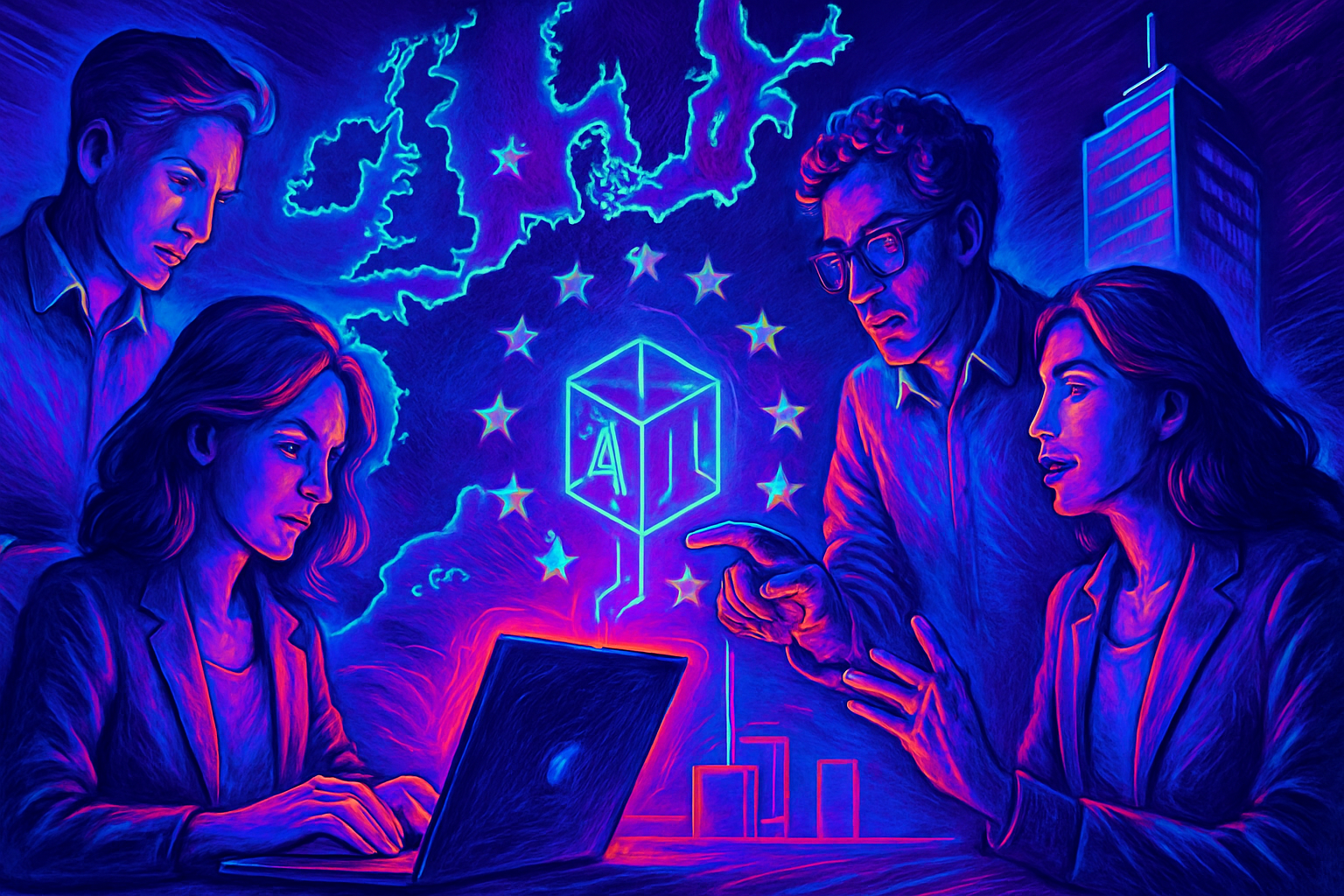
However, Uljan Sharka, founder and CEO of Domyn, an Italian company specializing in AI models, sees this ban as a huge opportunity for Europe. According to him, this situation could encourage European companies to turn towards developing their own AI solutions, thereby reducing their dependence on American tech giants. It could also serve as a catalyst to boost innovation and competitiveness within the European Union.
Development of Local Solutions
One of the main opportunities lies in the creation of AI models specifically tailored to the needs of the European market. By focusing on local solutions, European companies could not only respond more effectively to regional requirements but also stand out with innovations that reflect Europe's values and priorities.
Strengthening Technological Sovereignty
By developing AI technologies in-house, Europe could also enhance its technological sovereignty. This means better control over its technological infrastructures and a reduction in the risks associated with dependence on external suppliers. This technological independence could prove crucial for the economic and strategic future of the region.
Collaboration and Innovation
The current situation could also foster increased collaboration among European companies, universities, and research centers. By joining forces, these players could promote innovation in the field of AI, creating a dynamic and resilient ecosystem capable of competing with the United States and China.
Mixed Opinions in the Sector
Industry experts have varied opinions on the impact of this ban. Some view it as a unique opportunity to strengthen the European tech ecosystem, while others fear it may slow down AI development in Europe, leaving it behind the United States and China.
A Catalyst for European Innovation
Ultimately, the ban on Anthropic could paradoxically serve as a catalyst for AI development in Europe. By encouraging companies to innovate and focus on local solutions, this situation could reveal the fundamental truth about Europe's ability to compete in the global AI market.
Brief IA — L'actualité IA en français
L'essentiel de l'actualité de l'intelligence artificielle, décrypté et expliqué chaque jour.