Meta Accused of Using AI to Lay Off Protected Employees
Meta Accused of Using AI to Lay Off Protected Employees
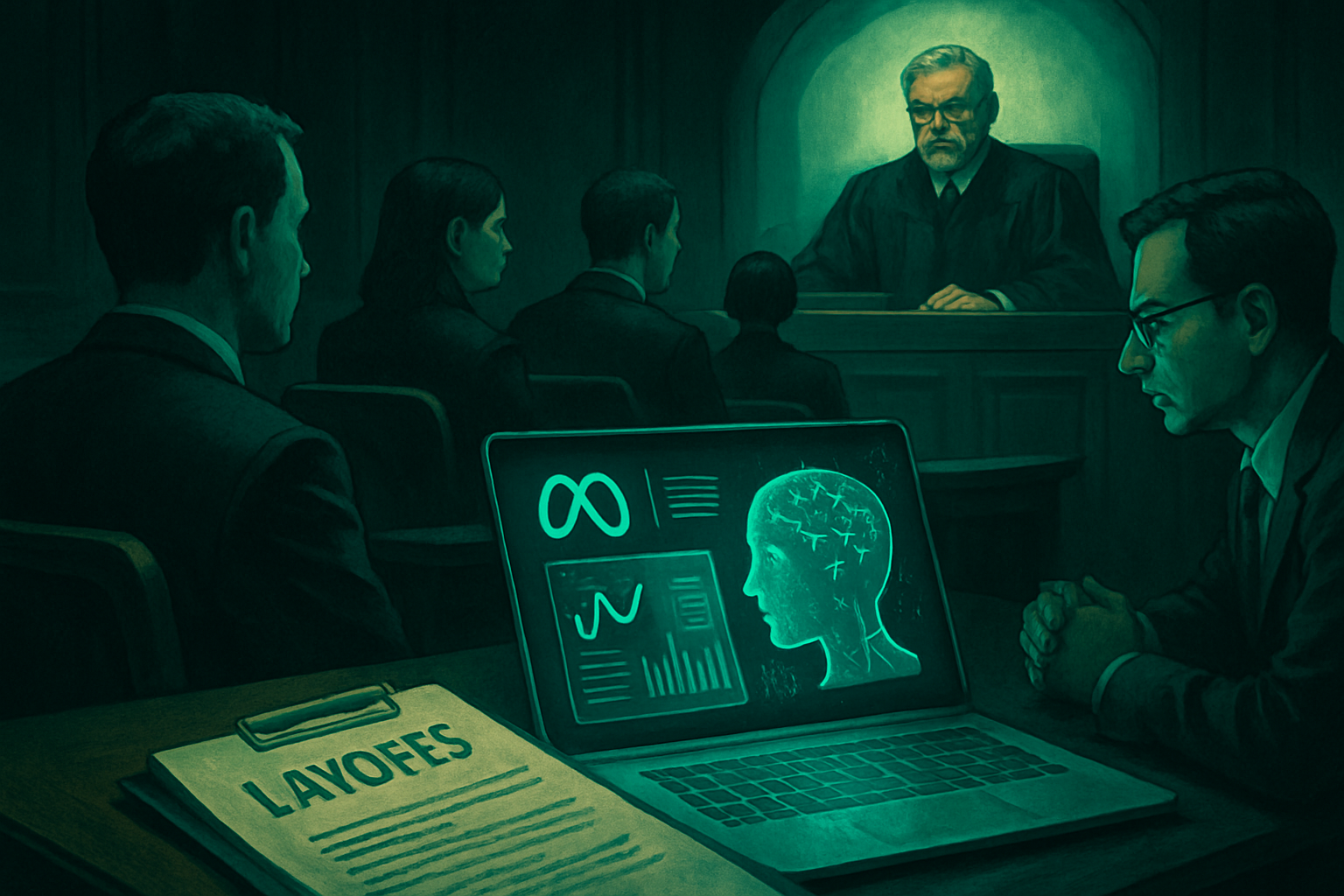
Twenty-six former Meta employees have recently filed a lawsuit against the company, claiming that its layoff process was heavily influenced by artificial intelligence, in violation of laws protecting workers. Two months ago, Meta implemented a 10% workforce reduction, affecting approximately 8,000 people, as part of its transition to an "AI-focused company."
The lawsuit, filed in a U.S. District Court in Oakland, California, alleges that Meta used algorithmic and artificial intelligence tools to monitor specific "productivity metrics." Employees deemed less productive were identified as likely targets for layoffs. However, among these employees, many had approved accommodations or had taken legally protected leave for reasons related to pregnancy, health, or bereavement over the past two years.
According to the complaint, "Meta did not compile the layoff list through the thoughtful judgment of managers who understood the work." Instead, the company allegedly used a series of internal AI systems to assess, rank, and select employees for termination. This process reportedly led to a disproportionate selection of employees who had taken protected leave.
Employee Protection Laws
In California, employee protection laws, such as the Americans with Disabilities Act and the Family and Medical Leave Act, prohibit employers from retaliating against employees who require accommodations for a disability or who take protected leave. The complaint claims that Meta used technological and AI systems to monitor and select employees for layoffs, including "Metamate," an internal AI assistant, as well as agents trained on employees' digital communications. Algorithmic productivity scores, based on keystroke logs, browsing history, and the content of employees' screens, were also reportedly utilized. The plaintiffs argue that the use of AI tokens, monitored in an internal ranking, was a determining factor.
Le brief IA que les pros lisent chaque soir
Les 7 actus IA du jour, décryptées en 5 min. Gratuit.
Inclus dès l'inscription : notre sélection des meilleurs guides & comparatifs IA.
Choisissez votre rythme
Gratuit · Pas de spam · Désabonnement en 1 clic
Impact of Surveillance Systems
The former employees assert that their productivity scores were devalued because they did not generate enough data for Meta's internal surveillance systems. This would have increased the likelihood of the AI flagging them to management for layoffs, despite performance evaluations deemed average or above average by their managers.
The complaint states that "many other employees noticed that their own scores had plummeted dramatically upon returning from vacation and protected leave," and that there was no effort on Meta's part to "pause" an individual's score when they were absent for justified and legally protected reasons.
A Meta spokesperson told CNET that these allegations "are not fact-based" and insisted that "people, not AI," are responsible for decisions regarding the workforce and organization.
Implications and Institutional Bias
This case highlights the growing role of AI in managerial decisions, such as hiring, performance evaluations, and layoffs. However, AI and algorithm-based systems have often perpetuated institutional biases against disabled workers and minorities. A recent study from Harvard University revealed significant racial disparities in job candidate selection software, leading to a reduced recommendation of Black and Asian candidates for interviews, for instance.
Brief IA — L'actualité IA en français
L'essentiel de l'actualité de l'intelligence artificielle, décrypté et expliqué chaque jour.