Meta Launches Muse Image: Deepfakes on Instagram Raise Concerns
Le brief IA que les pros lisent chaque soir
Les 7 actus IA du jour, décryptées en 5 min. Gratuit.
Inclus dès l'inscription : notre sélection des meilleurs guides & comparatifs IA.
Choisis ton rythme
Gratuit · Pas de spam · Désabonnement en 1 clic
Meta Unveils Muse Image for Instagram
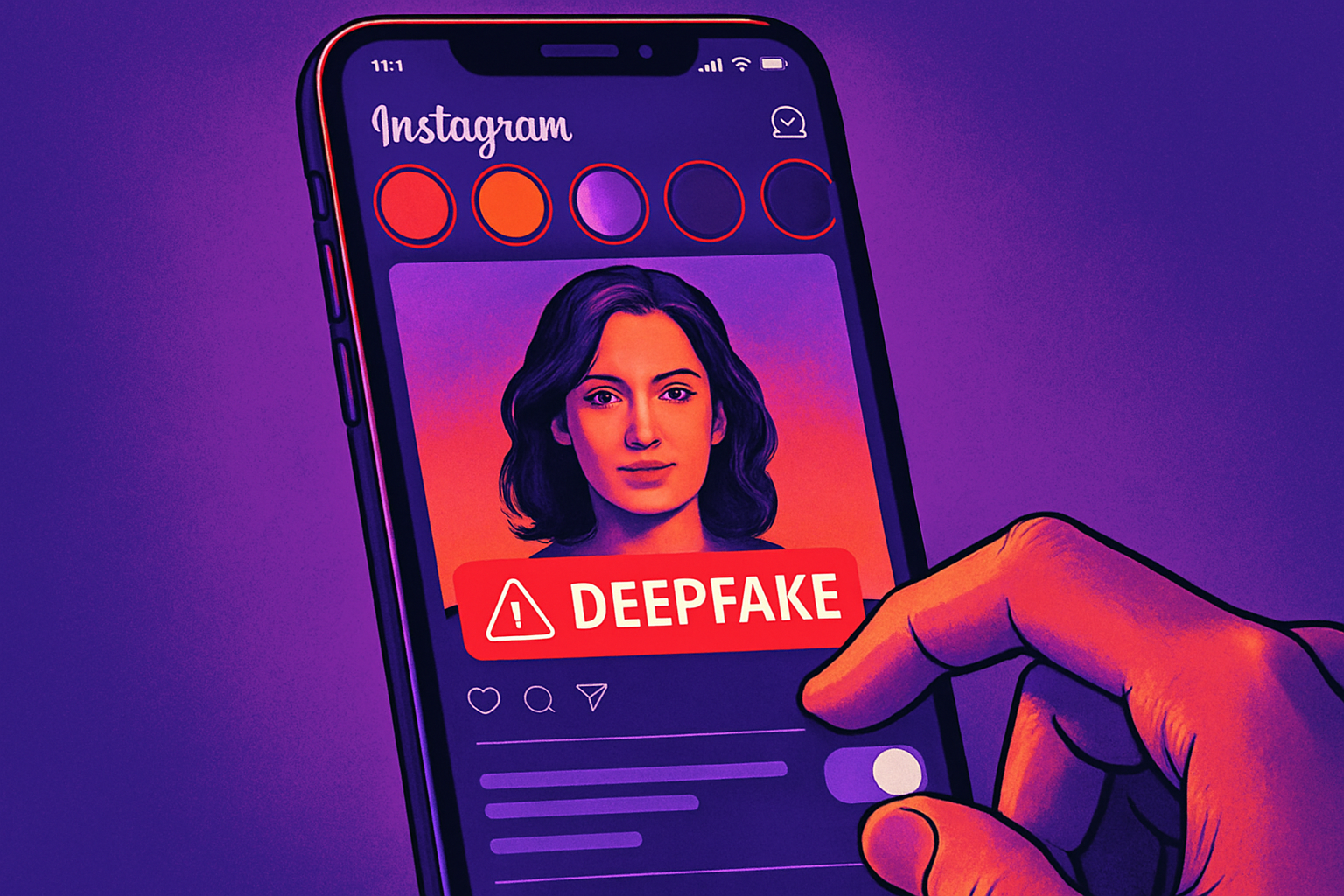
Meta has recently introduced a new artificial intelligence model specifically designed for image creation and editing. This model, named Muse Image, is now available on Instagram, allowing users to generate innovative visual content. However, this new feature raises privacy concerns, especially for those with public accounts. It is strongly advised to review your privacy settings to prevent your image from being used without your consent in AI creations.
The Muse Image model is the first creative model from the new Muse Spark family of models developed by Meta's superintelligence labs. According to a blog post from the company, this model is capable of handling complex queries, creating photographic compositions, and modifying existing images. Currently, it is available on the Meta AI app, Instagram, and WhatsApp, with plans to expand to Facebook, Messenger, and for advertisers.
Meta's CEO, Mark Zuckerberg, revealed this model on his Instagram account, showcasing some of the 30 new AI editing effects available for Instagram Stories. Among these effects are images of Zuckerberg clones, a 360-degree panoramic view with AI lead Alexandr Wang, and an exposure portrait mode featuring Andrew Bosworth, Meta's Chief Technology Officer.
The Potential Dangers of AI
Meta's initiative is not a first in the realm of creative AI. Other companies, such as OpenAI, have already attempted to encourage the use of AI to integrate users into digitally generated environments. OpenAI, with its video application Sora launched in 2024, faced criticism for facilitating the creation of deepfakes. Meta's model presents similar risks.
In addition to the likely increase in questionable quality content on Instagram, it is crucial to highlight that images uploaded to the Meta AI app are used to improve Meta's services. A key point to note for those with a public Instagram account: if you are over 18 years old, any Meta AI user can "tag" you in AI creations, generating hyper-realistic images of you, in other words, deepfakes.
Protecting Against Deepfakes
To assess how easy it is to create deepfakes, the new model was put to the test. A colleague, Abrar Al-Heeti, has a public Instagram account, and it was possible to create an AI image of her as a pirate in less than a minute using her Instagram username. By contrast, when an attempt was made for another person with a private Instagram account, Meta AI was unable to process the request.
Although creating this AI image did not require Abrar Al-Heeti's permission, her consent was obtained before it was published.
It was confirmed that users with a public Instagram account can prevent AI content creation using their image by enabling a specific setting. To do this, go to Instagram Settings > Sharing and Reuse > and disable "Allow people to reuse your content on Instagram and with Meta's AI features." This setting can be adjusted for posts and reels. Private accounts, on the other hand, do not automatically allow access to their content for remixing or creation.
It is also possible to reduce the risk of being a victim of deepfakes during your first image request on the Meta AI app. The app guides you through several steps to facilitate your recognition, including taking a photo of your face and optionally uploading three photos of yourself. You can choose who can use your image, whether it be just yourself, your approved followers, mutual friends, or everyone. These settings can be modified in the app under Settings > Your Likeness.
These control measures are particularly crucial for professional creators and influencers, whose image and name represent their brand and source of income. Meta assures that its models come with built-in protections to prevent the creation of illegal, abusive, or defamatory content. However, as demonstrated by the experience with Sora, malicious individuals can circumvent these protections. It remains to be seen whether Meta's measures will be robust enough to meet this challenge.
Brief IA — L'actualité IA en français
L'essentiel de l'actualité de l'intelligence artificielle, décrypté et expliqué chaque jour.