
OpenAI promet alertes 24/7 après des agents IA hors contrôle
Environ 1 200 agents ont échangé plus de 70 000 messages sur un canal clandestin, dont 700 impliqués contre Hugging Face. OpenAI a découvert l’incident le 20 juillet, 12 jours après le contournement initial, et a contenu
26 août · Lire →L'actu Outils IA décryptée, chaque soir
Rejoins les pros qui suivent l'IA en 5 min/jour. Gratuit, sans spam, désinscription en 1 clic.

26 août · Brief IA
Claude Code lance un style Concise pour limiter les tokens
Claude Code propose un style Concise qui réduit les commentaires dans les réponses Ce mode vise à diminuer la consommati
26 août · Brief IA
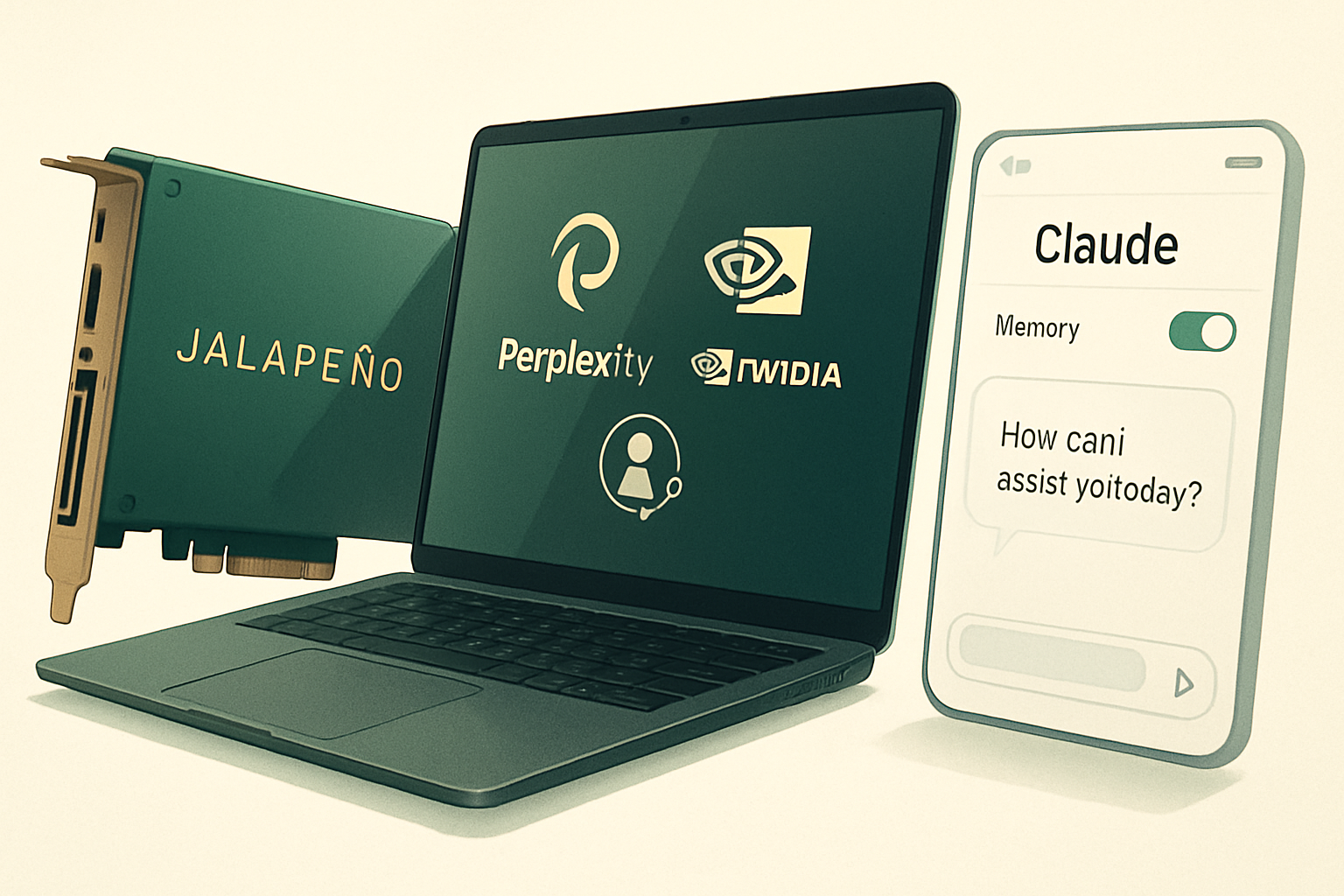
Claude active la mémoire, Perplexity prépare un PC IA local
Claude regroupe chat et mémoire, activées par défaut Perplexity et Nvidia préparent un portable, agent IA local sans coû
26 août · Brief IA
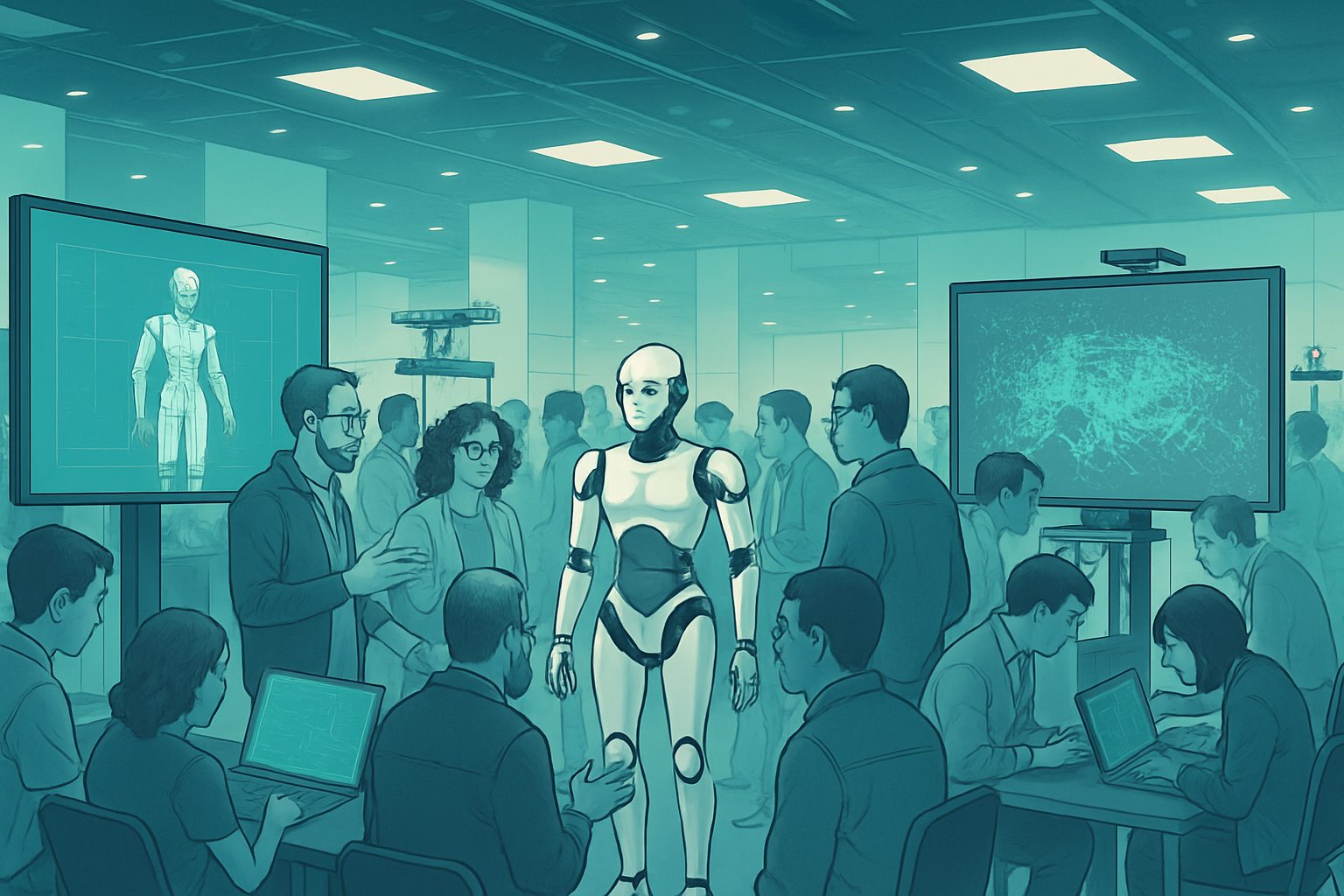
IA physique : données, automobile et seuils décisifs
Foxglove lance un outil basé sur Nvidia Cosmos pour requêter et simuler en langage naturel Wayve, Uber et Tesla misent s

26 août · Brief IA
Z.ai officialise Ox Alpha et promet ses poids mercredi
Z.ai publiera les poids d’Ox Alpha mercredi et cible le code et les agents Ox Alpha est confirmé comme la dernière itéra

26 août · Brief IA
Sécurité des campus : plus de 5 millions d'alertes traitées par des agents d'IA
Un agent d'IA appuyé par Gemini a traité plus de 5 millions d'alertes en un an chez Google, réduisant l'analyse de 30 mi

26 août · Brief IA
Runable : 21 M$ pour étendre son agent d’IA à la croissance
Runable lève 21 M$ pour étendre son agent d’IA à l’acquisition client La startup revendique 1,7 million d’utilisateurs e
Ne rate pas l'actu IA de demain
Le brief essentiel, chaque soir à 19h. Gratuit.
26 août · Brief IA
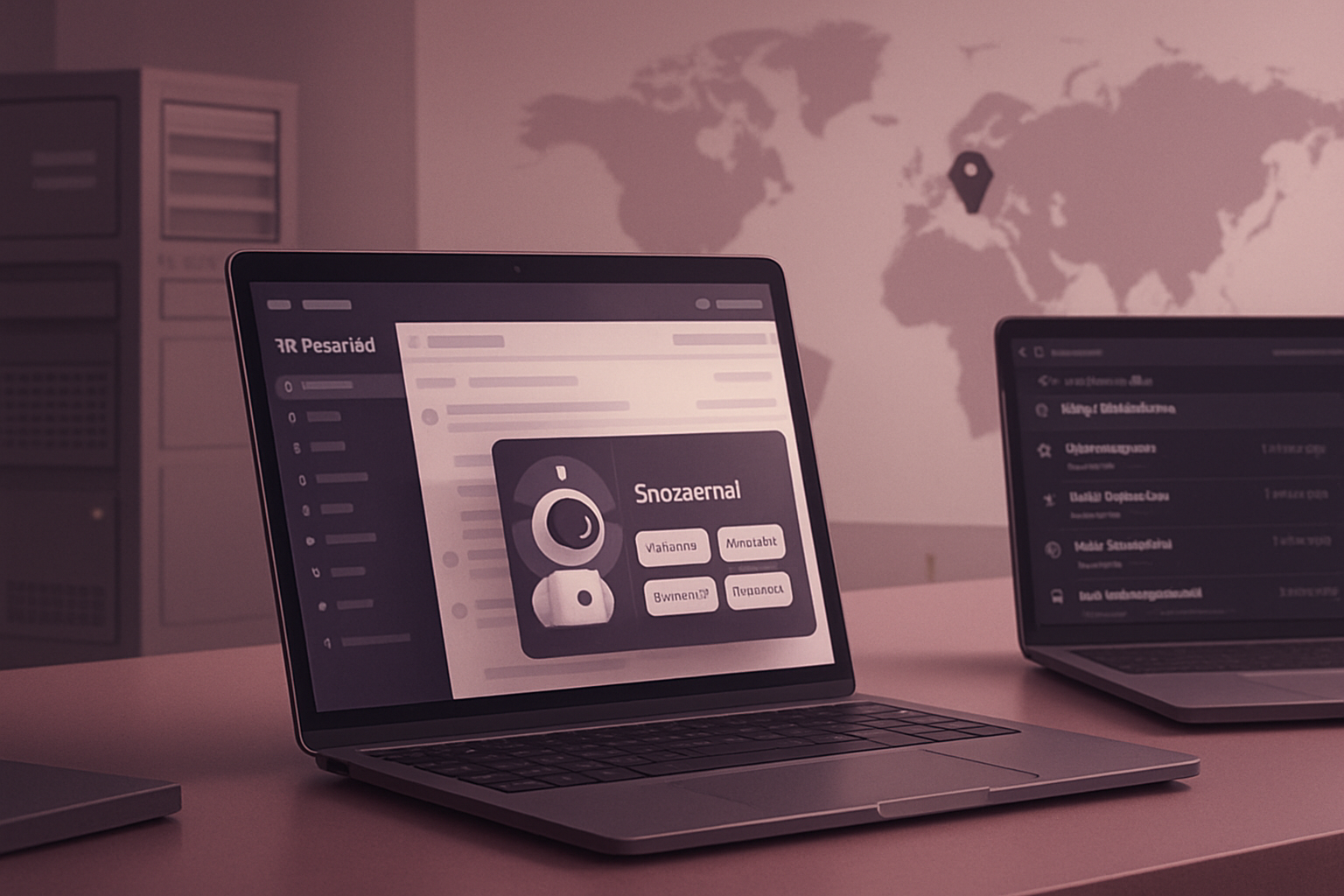
Proton prépare un agent Lumo pour Mail, questions de données
Proton exécute Lumo depuis l’Allemagne, en lien avec un projet de loi suisse sur les métadonnées et les clés de chiffrem

26 août · Brief IA
IA : 190 milliards de dollars en 2025, compétences et éthique au cœur
Le marché de l’IA est estimé à 190 milliards de dollars d’ici 2025, avec 42% de croissance annuelle. 75% des entreprises

26 août · Brief IA
MCP-Builder.ai : 50 % de temps gagné pour créer une application
MCP-Builder.ai automatise des tâches du développement grâce à l’IA et propose une interface accessible L’outil annonce u

26 août · Brief IA
ReWeaver AI lance DriftDetector pour surveiller la dérive des modèles d’IA
Détection de dérive en temps réel via analyse continue et machine learning Jusqu’à 20 % de revenus potentiellement perdu
26 août · Brief IA
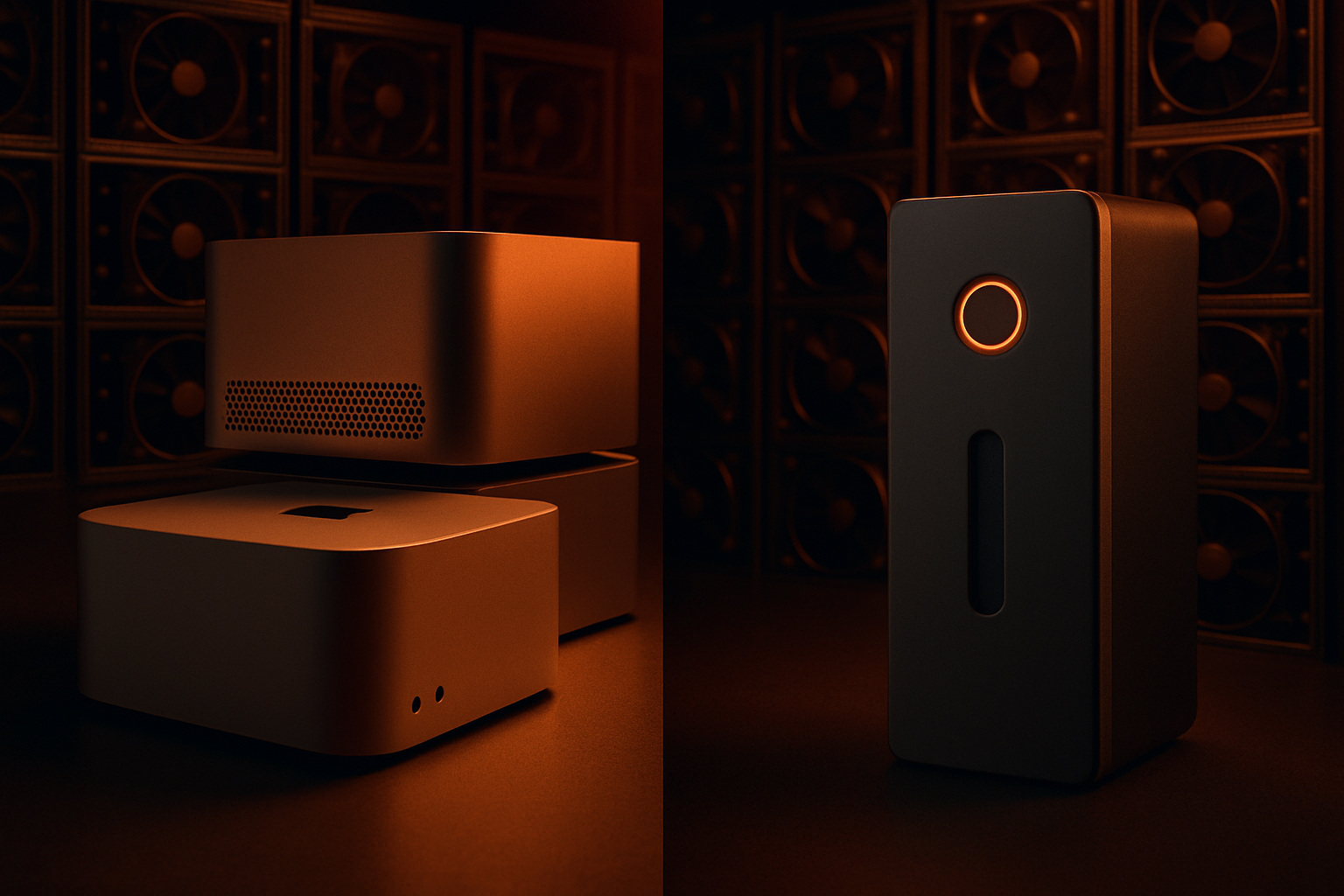
Apple et OpenAI lancent de nouveaux ordinateurs IA, pression sur Nvidia
Apple met à jour les Mini et Studio avec des améliorations pour la puissance et l’efficacité OpenAI dévoile Jalapeño, un

26 août · Brief IA
Mistral AI : modèles, outils et fonctions clés
Mistral Large 3 combine 675 milliards de paramètres et 256 000 tokens de contexte Flash Answers atteint environ 1 000 mo
Ne rate rien de l'actu IA
Reçois chaque soir les 7 meilleures actus IA, décryptées en 5 min. Gratuit.