Netflix and Warner Bros. Avoid OpenAI's Sam Altman Film
Le brief IA que les pros lisent chaque soir
Les 7 actus IA du jour, décryptées en 5 min. Gratuit.
Inclus dès l'inscription : notre sélection des meilleurs guides & comparatifs IA.
Choisis ton rythme
Gratuit · Pas de spam · Désabonnement en 1 clic
Netflix and Warner Bros. Avoid the Sam Altman Film from OpenAI
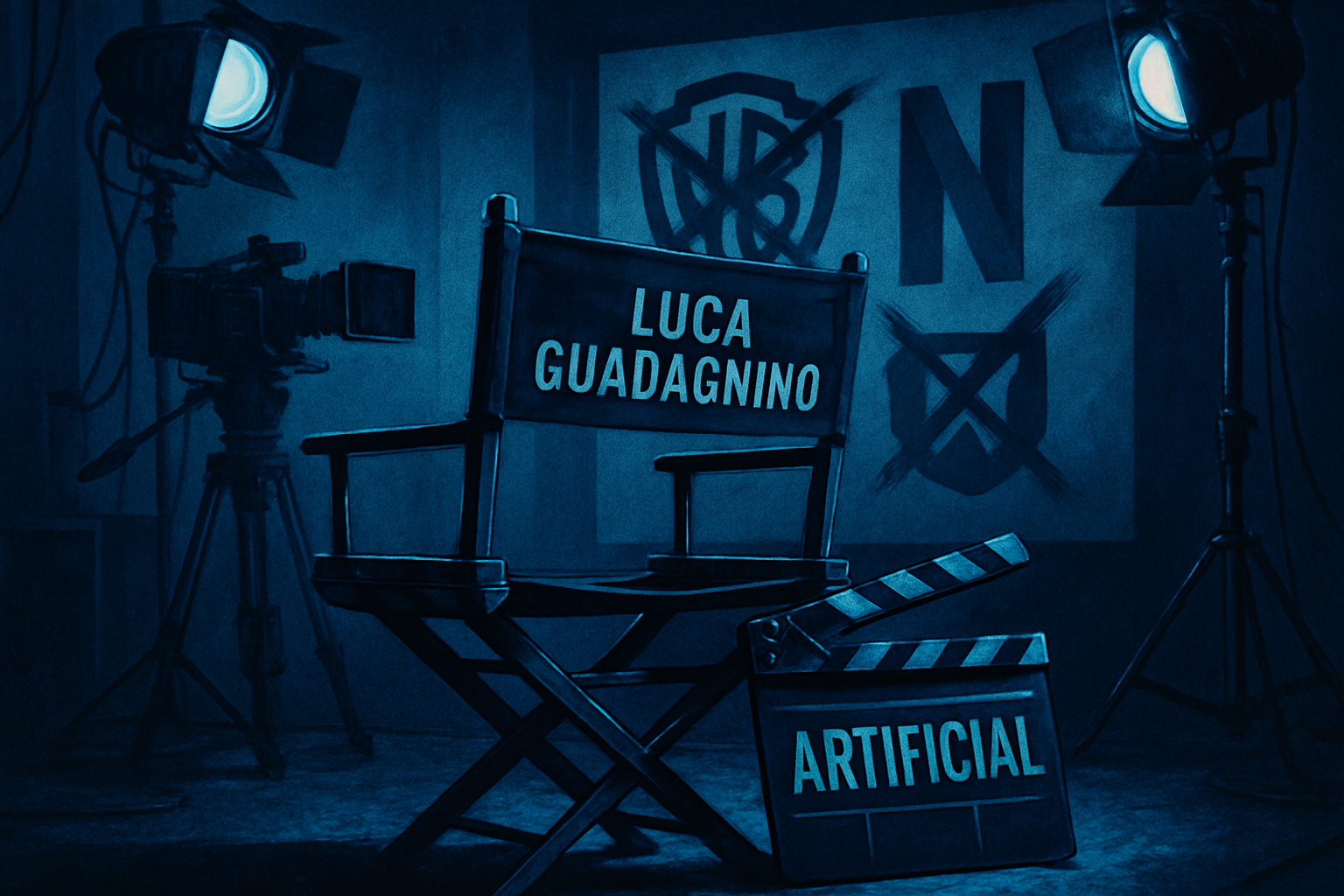
Netflix, A24, Focus Features, and Warner Bros.’ Clockwork have all decided not to acquire Artificial, the new biographical drama directed by Luca Guadagnino about OpenAI co-founder and CEO Sam Altman, for distribution deals. While Neon and Mubi still seem interested in the film, this situation suggests that Hollywood lacks the courage to tell critical stories about Big Tech.
Post-production on Artificial was nearly complete when Amazon MGM unexpectedly announced last week that it no longer planned to distribute the film. This news came as a surprise, given the project's progress and reports that Amazon had initially intended to give it a limited theatrical release eligible for the Oscars later this year. Artificial was also set to receive a wider release in early 2027 and a screening at the SXSW Film & TV Festival, but those plans are now abandoned.
Although Amazon did not specify why it dropped Artificial, the company told Deadline that it believed the film would be "better served if distributed by another studio." While Neon or Mubi may ultimately be better homes for the project, Amazon's decision follows its $50 billion investment in OpenAI earlier this year. Amazon has made it clear that it wants to be significantly involved in the AI sector, and it is easy to understand why the company might be reluctant to release a film that portrays an AI leader in a negative light. But the broader issue is that other studios may follow this trend.
Written by Simon Rich, the screenwriter of An American Pickle, Artificial recounts the tumultuous period of 2023 when Altman was fired from OpenAI and then rehired just days later. The drama began when the OpenAI board alleged that Altman was hindering "its ability to fulfill its responsibilities" by not being "consistently transparent in his communications" (a PR-friendly way of saying "lying"). Shortly thereafter, Altman was poised to join Microsoft, and hundreds of OpenAI employees signed an open letter threatening to leave if he was not reinstated as CEO. The saga concluded with Altman's return to OpenAI and the installation of a new board almost entirely composed of new faces.
On paper, this saga resembles a drama that could provide a captivating and timely analysis of one of the most powerful leaders in Silicon Valley. Following projects like The Audacity, Mountainhead, The Dropout, and the upcoming The Social Reckoning by Aaron Sorkin, Artificial seems to be the type of film that aligns with Hollywood's recent fixation on stories about tech titans. And at a time when generative AI is ubiquitous, the audience is ready for a star-studded feature centered on some of the people responsible for this technology.
What is truly alarming is how many other studios have chosen to follow Amazon's lead. Yesterday, Google's DeepMind AI division announced that it had struck a $75 million multi-year "research partnership" deal with A24 to develop a series of filmmaking technologies, such as a new storyboard app. The companies stated that the agreement would not give Google access to A24's library of films and TV projects, but they have not yet clarified to what extent these tools will be used by the studio. This lack of clarity is partly why people are starting to form a more negative opinion of A24. Last week, the studio was riding high with Backrooms, but after releasing the trailer for Jesse Eisenberg's upcoming musical, The Debut, A24 faced a wave of online criticism, specifically due to its collaboration with DeepMind.
The chances that the partnership between A24 and Google will dissolve seem unlikely, as the production company is not the only one partnering with generative AI. Disney has made its own (failed) AI deals, Netflix has absorbed AI startups, and executives at Paramount Skydance have indicated that they view this technology as essential for boosting productivity.
All of this paints a very bleak picture of Hollywood's possible future — a future where films and series are produced with generative AI by studios that refuse to say anything truly insightful or negative about the technology or its creators. Projects like The AI Doc: Or How I Became an Apocaloptimist have already shown us how uninspired and soulless films about AI can be when made by people who seem indebted to tech leaders. What we are witnessing now is a potential era where Hollywood giants do everything possible to stay on good terms with Silicon Valley. Acting this way — out of cowardice in service of profits derived from technology — is antithetical to producing good art.
Brief IA — L'actualité IA en français
L'essentiel de l'actualité de l'intelligence artificielle, décrypté et expliqué chaque jour.