OpenAI and Sam Altman: AI Tokens vs. Startup Equity
Le brief IA que les pros lisent chaque soir
Les 7 actus IA du jour, décryptées en 5 min. Gratuit.
Inclus dès l'inscription : notre sélection des meilleurs guides & comparatifs IA.
Choisis ton rythme
Gratuit · Pas de spam · Désabonnement en 1 clic
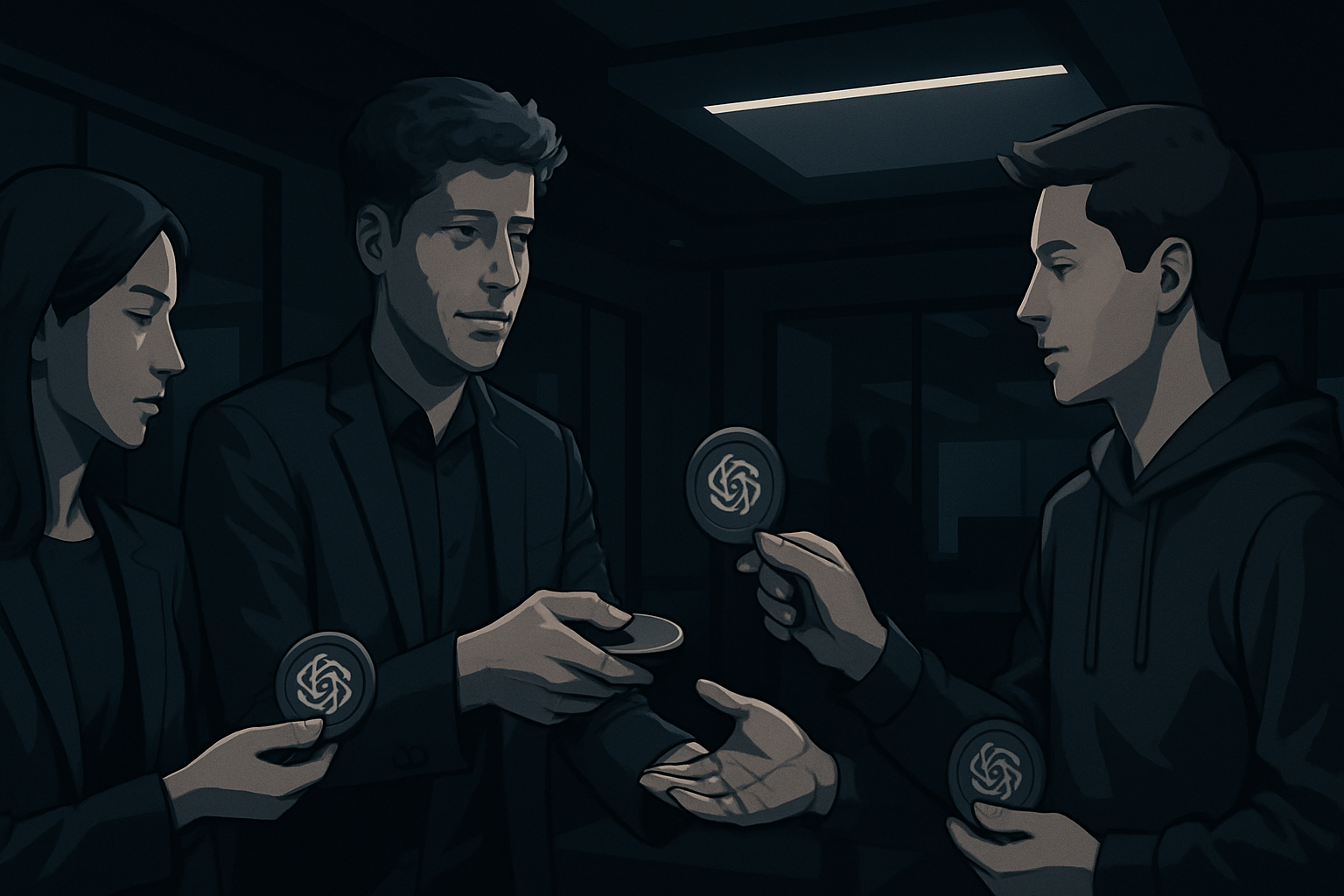
OpenAI, under the leadership of Sam Altman, has launched a bold initiative for startups backed by Y Combinator. The company is offering a $2 million investment in AI tokens in exchange for equity in these young companies. This offer aims to encourage founders to raise tokens even before their Series A, thus disrupting traditional startup funding methods.
Sam Altman shared his enthusiasm on X, expressing interest in the innovations that token-focused startups could bring. Tyler Bosmeny, general partner at Y Combinator, described this proposal as a "mic drop moment," highlighting its transformative potential.
The pilot program is intended for the Spring and Summer 2026 cohorts of Y Combinator. Participating startups will sign a Simple Agreement for Future Equity (SAFE) without a cap, meaning that OpenAI's ownership stake will be determined during a future funding round. Unlike the standard Y Combinator agreement, this SAFE will not include a Most Favored Nation (MFN) clause, which would have allowed OpenAI to automatically benefit from better terms if they were offered to other investors.
Y Combinator startups already benefit from discounts on tokens, and the accelerator's partners also profit from this. Ankit Gupta emphasized on X the advantage of having an unlimited budget for tokens as a partner at YC.
However, this offer is not universally accepted. Jason Calacanis, an investor and co-host of "All-In," warned founders about the risk that OpenAI might one day incorporate their ideas into its own products. In response, Roshan Kumaraswamy, founder of the startup Apten, noted that startups are already purchasing OpenAI tokens.
Altman's proposal illustrates how AI is redefining the startup economy. Tokens, used to calculate the costs of AI usage, are becoming a key resource for new companies, often preferred over hiring additional staff. Y Combinator has encouraged this trend, advising founders to prioritize "tokenmaxxing" over "headcountmaxxing."
Sam Altman, who led Y Combinator from 2014 to 2019, has a long history of investing in startups. His stake in Helion Energy was valued at over $1.6 billion in 2025. The current deal will be made through OpenAI, rather than personally by Altman, as he clarified on X.
Tokens are an essential unit of measurement for determining costs associated with AI usage, such as running an AI coding agent or processing a chatbot conversation. Many modern startups, operating with lean teams, are accumulating high token bills. Y Combinator has spurred this paradigm shift, with advice from Diana Hu, a partner at the accelerator, encouraging founders to invest in AI tokens rather than increasing their headcount.
Altman, known for his role as president of Y Combinator from 2014 to 2019, has been involved in numerous notable investments, some of which were discussed during his trial with Elon Musk. His stake in Helion Energy, for instance, was valued at over $1.6 billion by the end of 2025. This new initiative with OpenAI marks another step in the evolution of his approach to investing in startups.
Brief IA — L'actualité IA en français
L'essentiel de l'actualité de l'intelligence artificielle, décrypté et expliqué chaque jour.