Amazon Raises AI Cloud Prices, Global Impact
Le brief IA que les pros lisent chaque soir
Les 7 actus IA du jour, décryptées en 5 min. Gratuit.
Inclus dès l'inscription : notre sélection des meilleurs guides & comparatifs IA.
Choisis ton rythme
Gratuit · Pas de spam · Désabonnement en 1 clic
Amazon Raises AI Cloud Prices, Impacting the Tech Industry
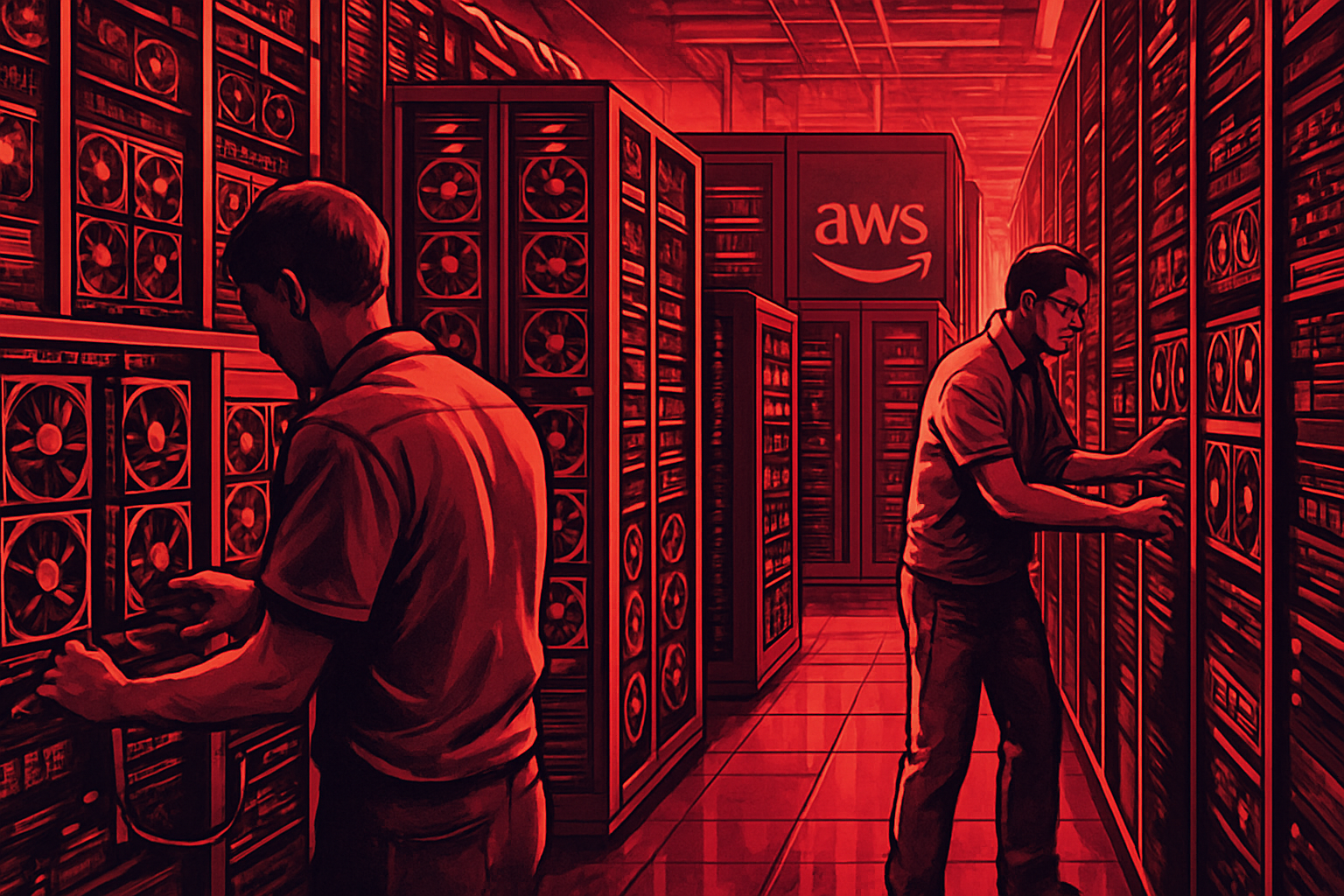
Amazon Web Services (AWS), the global leader in cloud services, has announced a significant increase in its prices for artificial intelligence (AI) related services. This 20% hike comes after a previous 15% increase earlier this January. The primary cause of this price surge is attributed to rising memory chip costs, combined with a growing demand for AI solutions.
Memory shortages have had a considerable impact on the market, driving companies like Micron and SK Hynix to historic highs. AWS has specifically adjusted the prices of its "EC2 Capacity Blocks for ML," a service that allows businesses to reserve GPUs in advance. Starting in July, hourly rates for renting various types of cloud servers will increase by approximately 20%. This decision follows a similar 15% increase for the same service at the beginning of the year.
Amazon stated that the reservation prices for "Amazon EC2 Capacity Blocks for ML" are periodically revised based on supply and demand. However, the company did not provide an immediate comment on this decision when approached last Friday.
A General Trend in the Tech Industry
This price increase by AWS is not an isolated case. Other tech giants, such as Apple and Xbox, have also adjusted their prices, citing rising memory chip costs as the main reason. Elon Musk has also expressed concerns regarding unprecedented price increases in this sector.
The impact of AWS's decision extends far beyond the additional cost consumers may face for a MacBook or a gaming console. As the leading cloud service provider, AWS supports a multitude of software services, and millions of developers rely on this infrastructure to create and distribute applications and other tech products. The 15% and now 20% increases are likely to have significant repercussions in these sectors over the coming quarters.
The Physical Constraints of AI
These price hikes highlight a broader trend in the tech field: AI is now constrained by physical limitations rather than just the availability of software. The growing demand for GPUs and the limited availability of memory chips are driving up costs for cloud providers.
One of the main current challenges is the availability of wide-bandwidth memory, a crucial component for advanced AI chips. AI cloud services rely on these chips and servers, and shortages, combined with price increases, heavily influence data center expansion plans and, ultimately, AI supply.
The Pricing Power of Hyperscalers
Peter Berezin, chief economist at BCA Research, emphasized that cloud providers' ability to pass on higher infrastructure costs is bolstered by the lack of alternatives for customers when GPU capacity is limited. This gives large companies like AWS, Microsoft, Google, and Oracle increased pricing power. "While the memory shortage raises their costs, it also keeps computing demand above the available supply, giving them greater pricing power over access to cloud computing," he wrote on X.
The same shortages that are driving up AI cloud service prices have also propelled memory chip manufacturers like Micron and SK Hynix to record levels. This reflects investor expectations that AI-driven demand will continue to keep the market under pressure and prices high for years to come.
Brief IA — L'actualité IA en français
L'essentiel de l'actualité de l'intelligence artificielle, décrypté et expliqué chaque jour.