Anthropic and Claude: The Era of Biometric Data Begins
Le brief IA que les pros lisent chaque soir
Les 7 actus IA du jour, décryptées en 5 min. Gratuit.
Inclus dès l'inscription : notre sélection des meilleurs guides & comparatifs IA.
Choisis ton rythme
Gratuit · Pas de spam · Désabonnement en 1 clic
Anthropic Embraces Biometric Data with Claude
July 8, 2026, marks a key date for Anthropic, which is introducing significant changes to its privacy policy. This update affects users of the Free, Pro, and Max accounts of Claude, the company's AI assistant. Indeed, Anthropic has informed its users via email about these new rules, which now include the possibility of collecting biometric data, subject to users' explicit consent. This evolution occurs in a context where AI agents are becoming increasingly autonomous.
An Agentic AI for More Complex Interactions
Claude's new rules reflect a profound transformation of the assistant, which now goes beyond the simple role of a chatbot. Claude is now capable of performing a series of chained actions, consulting documents, using connectors, and even communicating with external services. This expanded capability changes the way data is shared and processed. Anthropic has therefore adjusted its policy to clarify what happens when Claude is connected to a third-party application. In these cases, certain information may be transmitted to the relevant service to complete the requested task, such as sending an email that requires sharing its content with the email service.
However, Anthropic warns about an often-overlooked aspect: once a connector is activated, it remains accessible until the user chooses to deactivate it. It is therefore advisable to regularly check settings to prevent unwanted permissions from remaining active.
The Introduction of Biometric Data
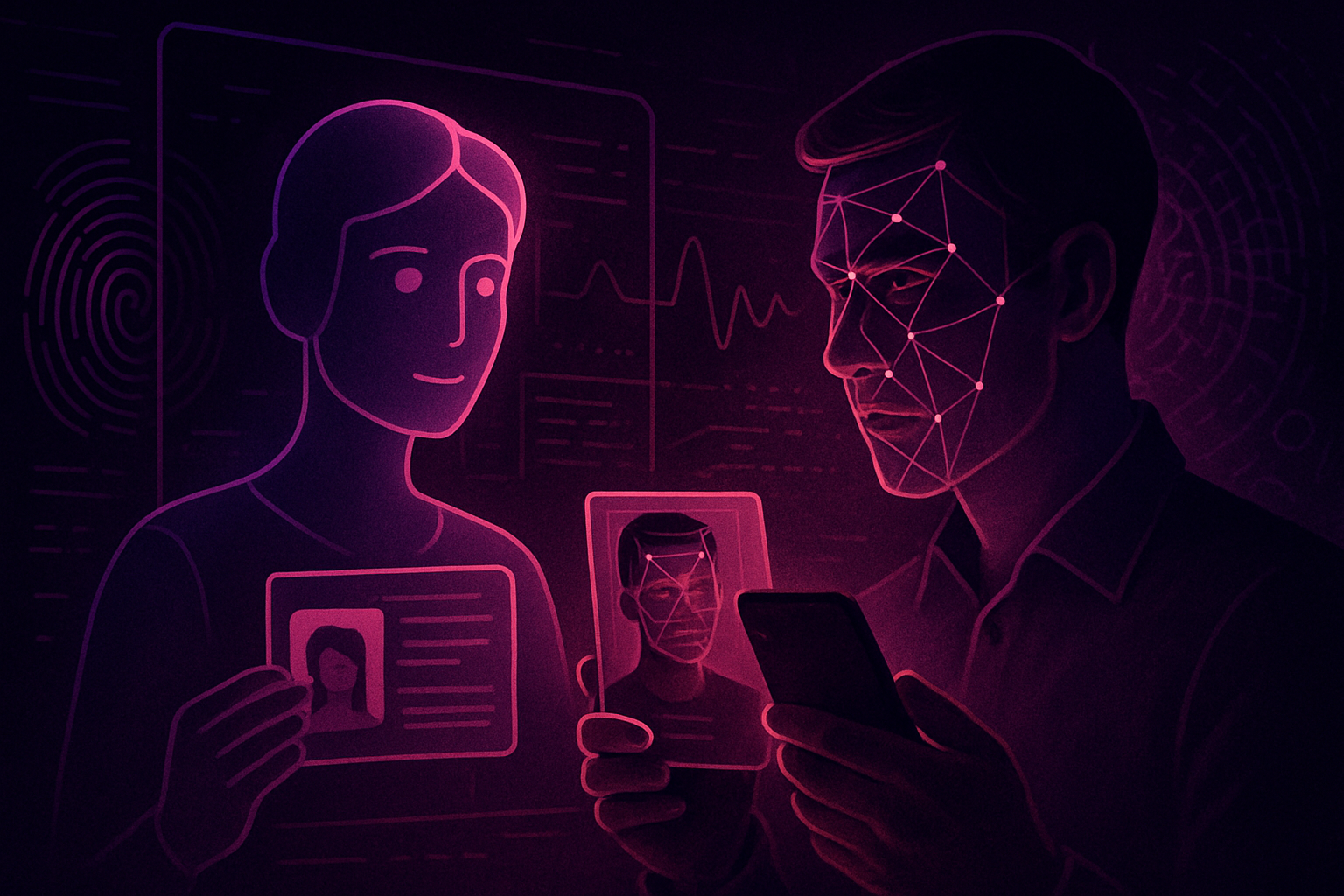
The real innovation lies in the explicit inclusion of biometric data in the privacy policy. For certain identity or age verifications, Anthropic may ask users to provide a photo of an ID, a selfie, or a short video of their face. Depending on the chosen method, a facial geometry model could be created to confirm the user's identity.
This digital mapping of the face is considered biometric data in many jurisdictions, which implies a strict legal framework. User consent remains a central element of this process. Anthropic emphasizes that this collection only occurs if the user voluntarily initiates the verification, excluding any automatic background analysis.
Although these changes do not turn Claude into a massive collector of personal data, they illustrate the rapid evolution of AI assistants, which are now capable of acting directly on behalf of their users.
Brief IA — L'actualité IA en français
L'essentiel de l'actualité de l'intelligence artificielle, décrypté et expliqué chaque jour.