Anthropic: American AI Threatened by China
Le brief IA que les pros lisent chaque soir
Les 7 actus IA du jour, décryptées en 5 min. Gratuit.
Inclus dès l'inscription : notre sélection des meilleurs guides & comparatifs IA.
Choisis ton rythme
Gratuit · Pas de spam · Désabonnement en 1 clic
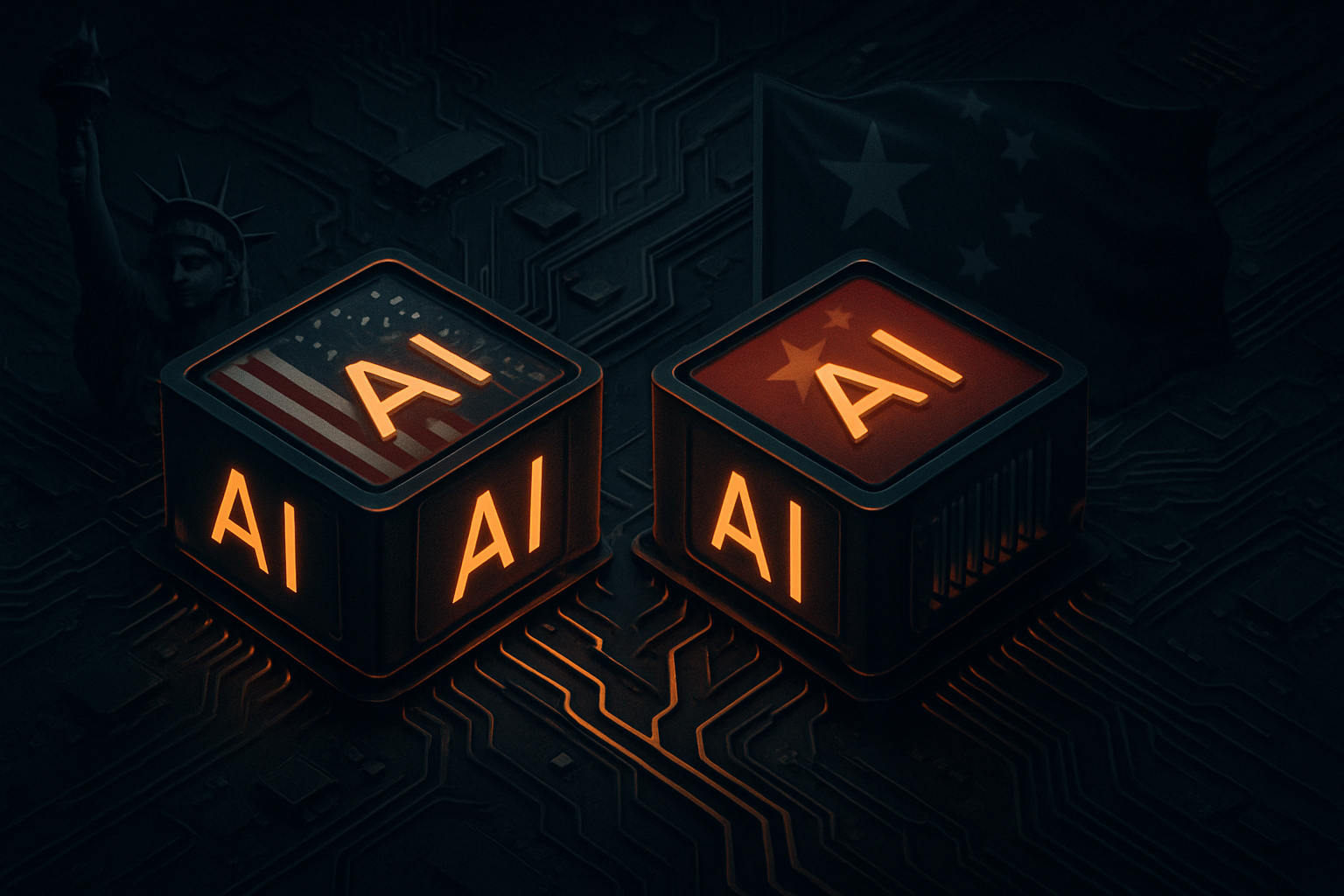
Anthropic recently published a policy paper highlighting the crucial importance for the United States to maintain its lead in artificial intelligence (AI) computing power in the face of China. Computing power, specifically access to advanced AI chips, is the critical bottleneck, argues Anthropic. Thanks to U.S. export controls and the innovation of companies like Nvidia, TSMC, and ASML, democratic nations hold a significant advantage in hardware.
Despite this, Chinese AI labs remain close to the frontier due to access to American computing power via foreign data centers. They also employ methods such as chip smuggling and systematic distillation attacks to replicate the capabilities of American models. In February, Anthropic accused Deepseek, Moonshot, and Minimax of generating over 16 million interactions with Claude through approximately 24,000 fraudulent accounts. OpenAI, Google, and the Frontier Model Forum have also condemned this practice.
According to the document, Huawei will only reach four percent of Nvidia's aggregated computing capacity by 2026, and just two percent by 2027. The Anthropic paper presents two possible scenarios for the year 2028. In the first, the United States manages to close the current gaps, thereby strengthening its dominant position in computing and AI infrastructure. This could allow them to maintain a 12 to 24-month advantage in model intelligence while shaping global AI standards according to democratic principles.
In the second scenario, if the United States fails to close these gaps, China could achieve near technological parity. This would enable Beijing to ramp up the use of AI for surveillance and repression while increasing its global market share with cheaper yet effective models. Anthropic emphasizes that this situation could also compromise security standards. DeepSeek's R1-0528 met 94 percent of malicious requests according to common jailbreaking techniques, according to the Center for AI Standards and Innovation, and only 3 of the 13 leading Chinese labs have published security assessments so far.
The document, published on May 14, 2026, coincides with Trump's visit to China and the debates in Congress regarding AI export controls. Anthropic advocates for a strict and secure approach to ensure a lasting advantage for the United States through 2028.
Brief IA — L'actualité IA en français
L'essentiel de l'actualité de l'intelligence artificielle, décrypté et expliqué chaque jour.