AI Chatbots: Who is Responsible for Errors from Google and Gemini?
Le brief IA que les pros lisent chaque soir
Les 7 actus IA du jour, décryptées en 5 min. Gratuit.
Inclus dès l'inscription : notre sélection des meilleurs guides & comparatifs IA.
Choisis ton rythme
Gratuit · Pas de spam · Désabonnement en 1 clic
AI Chatbots and the Question of Responsibility
AI-powered chatbots are answering millions of questions every day. But when they disseminate incorrect or misleading information, who should be held accountable?
I posed this question to Google, and AI Overviews responded: “Legally and morally, the responsibility lies with the user.” However, the German judiciary does not share this view.
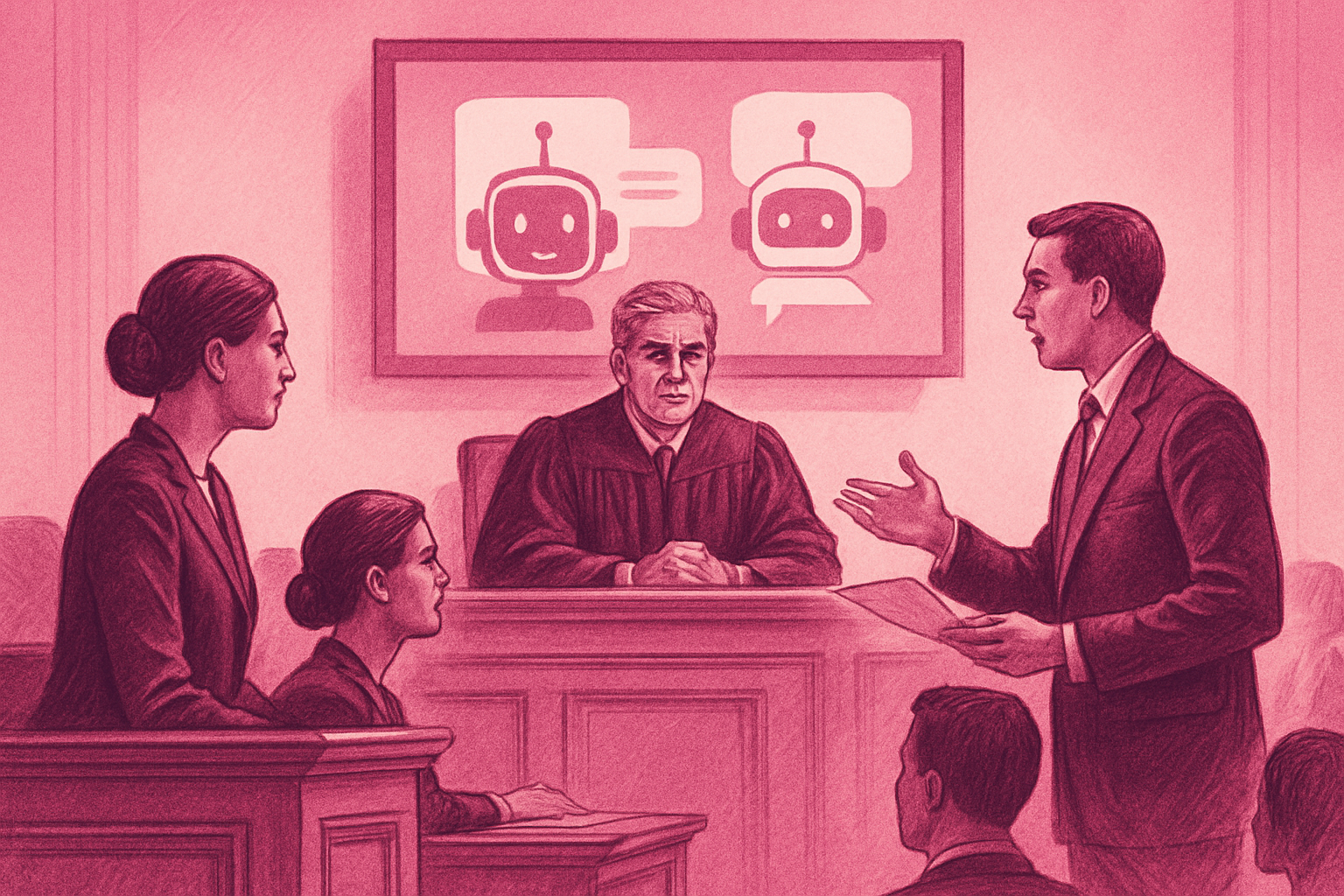
Earlier this month, a German court ruled that Google is responsible for the summaries generated by its AI in search results. The judges dismissed the notion that internet users know not to blindly trust an AI or that they can always verify information elsewhere. For them, these responses directly reflect Google's business activity and therefore engage its liability.
A Debate That Has Lasted Since the Dawn of the Internet
For a long time, a distinction existed between simple technical intermediaries and publishers. A telephone operator, for example, transmits conversations without being responsible for their content.
A newspaper, on the other hand, chooses the information it publishes and can be sued if that information is defamatory or illegal. Digital giants have often sought to benefit from both statuses. They present themselves as mere intermediaries when it comes to avoiding lawsuits. However, they adopt the role of publisher when they wish to control or promote certain content.
In the United States, Section 230 of the Communications Decency Act of 1996 broadly protects platforms by exempting them from liability for content published by their users. This protection has been the subject of debate for years, particularly with social media. As long as they simply displayed posts in chronological order, they essentially played a relay role. However, with algorithms that select and promote certain content, many believe they now exercise genuine editorial power.
The summaries generated by Google’s AI go even further. Unlike a traditional search engine, which merely links to third-party sites, these summaries rephrase information to produce an original response. It selects what it deems relevant, rewrites it, and presents it as a synthesis. This work resembles that of a writer more than that of a simple technical intermediary.
So, Who Should Be Held Responsible for AI Errors?
For the German judiciary, a chatbot should be considered a representative of the organization that uses it. If a human writer publishes incorrect information, their employer is held accountable. If a representative signs a contract on behalf of a company, that company is bound. Similarly, if a chatbot provides incorrect information or makes a decision on behalf of a company, that company should bear the consequences.
Allowing companies to hide behind the errors of their AI would set a dangerous precedent. They would have every incentive to replace writers, lawyers, or even certain professionals with automated systems while evading responsibility when these systems make mistakes.
This question becomes even more critical as AI assistants are expected to intervene in an increasing number of areas. If an assistant mistakenly orders a product, who will reimburse the customer? Without clear rules on liability, it will be difficult to establish the trust necessary for the development of these services.
What Could This German Perspective Change?
For Google, the stakes are particularly high. If the German decision is upheld, it could undermine the deployment of AI Insights. According to The Guardian, tests conducted earlier this year estimated that these summaries had an error rate of about 10%. Given the more than 5 trillion searches conducted each year, this would amount to nearly 16,000 incorrect responses every second.
While many of these errors may be trivial, some can harm a person's reputation or cause real damage. One example is already in court. Earlier this year, Google’s AI incorrectly presented Canadian violinist Ashley MacIsaac as a sex offender. The artist has filed a lawsuit in Ontario, which is still under review.
If this case forces Google to improve its AI to significantly reduce such errors, it will be good news for everyone. Users will receive more reliable information, and those mentioned will avoid becoming victims of false accusations.
More broadly, increased accountability is essential to challenge certain current uses of generative AI. Companies may hesitate to offer virtual lawyers, digital doctors, or other specialized assistants if they must legally answer for each of their mistakes.
Brief IA — L'actualité IA en français
L'essentiel de l'actualité de l'intelligence artificielle, décrypté et expliqué chaque jour.