ChatGPT at the Center of a Judicial Investigation into Massive Crypto Fraud
Le brief IA que les pros lisent chaque soir
Les 7 actus IA du jour, décryptées en 5 min. Gratuit.
Inclus dès l'inscription : notre sélection des meilleurs guides & comparatifs IA.
Choisis ton rythme
Gratuit · Pas de spam · Désabonnement en 1 clic
ChatGPT, a Key Player in a Crypto Fraud Case
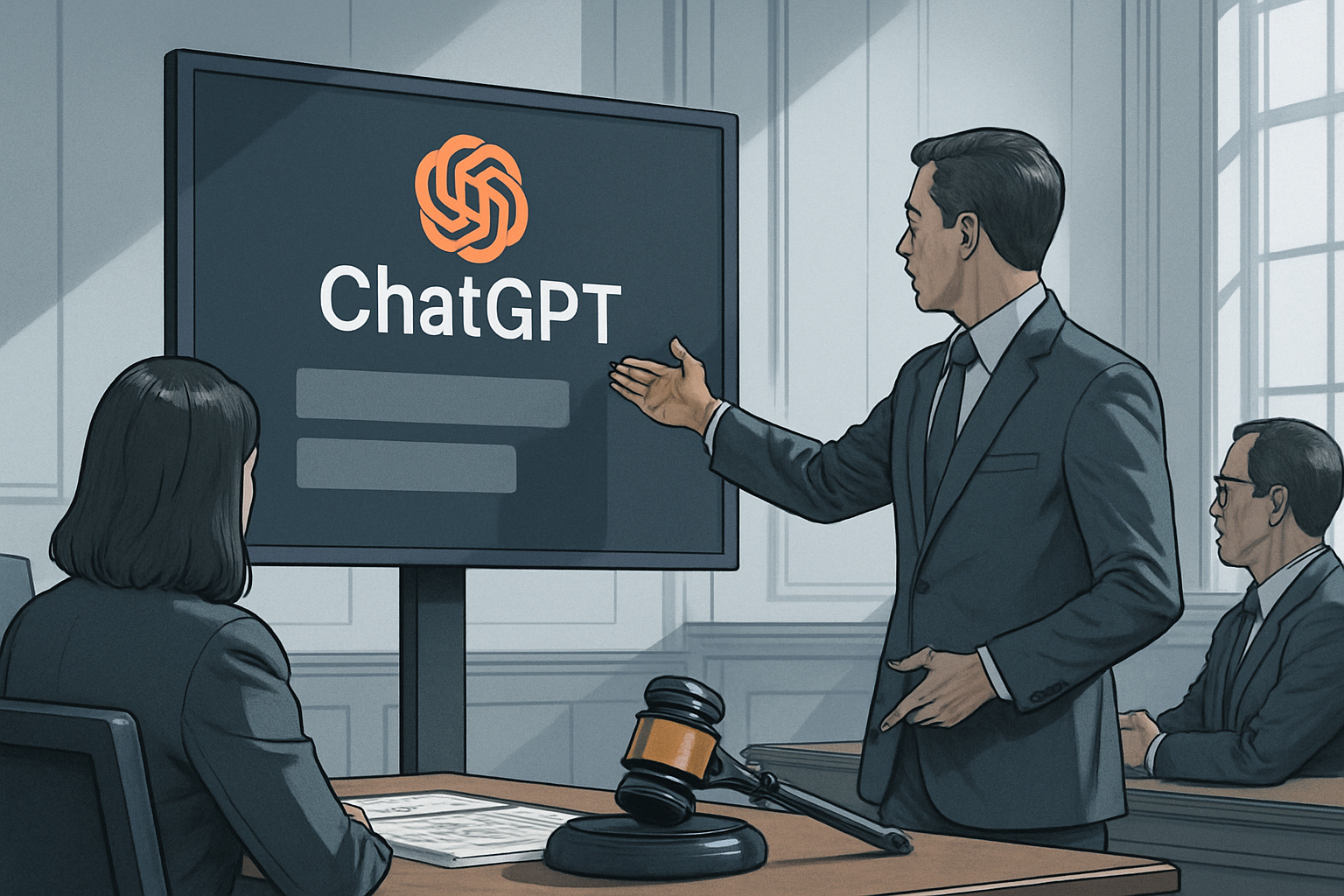
In a recent ruling, a federal judge has allowed prosecutors to require OpenAI to provide ChatGPT records related to Richard Kim. Kim, the former CEO of the cryptocurrency startup Zero Edge, is accused of misappropriating funds from investors to use in cryptocurrency transactions and online gambling. This fraud case highlights the potential use of artificial intelligence in sensitive legal contexts.
Prosecutors allege that Kim misappropriated approximately $3.8 million out of a total of $4.3 million raised during a funding round for Zero Edge. Following his arrest, he reportedly used ChatGPT to inquire about his case, including developing his defense strategy. Court documents reveal that Kim also generated numerous queries via the AI regarding fund misappropriation, cryptocurrency trading, and gambling. He has pleaded not guilty to charges of securities fraud and wire fraud.
The Legal Implications of Conversations with AIs
U.S. District Judge Lorna Schofield rejected the defense's efforts to protect data from discussions with ChatGPT. She ruled that these chat logs can be considered digital evidence from third parties, subject to a search warrant. The warrant covers OpenAI's records of Kim, spanning from October 2023 to May 2026, including queries, responses, and account information.
This case underscores that conversations with AI chatbots can be integrated into legal records. As the use of tools like ChatGPT for research and personal advice becomes more common, courts are beginning to treat these discussions like other forms of digital records, such as emails or text messages. This means that using a chatbot for legal research does not guarantee the confidentiality of the conversation.
The Debate Over Attorney-Client Privilege
Kim's attorneys attempted to block the search warrant, arguing that the chatbot data contains privileged information and research related to the case. They contend that these records should be protected as they reveal Kim's internal thoughts, defense tactics, and trial strategy.
Prosecutors countered that for attorney-client privilege to apply, there must be a confidential conversation between a human and a licensed attorney, aimed at obtaining legal advice. An AI chatbot cannot be considered a lawyer.
Schofield's decision does not rule on the protection of Kim's ChatGPT records by attorney-client privilege, but it allows the warrant to proceed, thereby preventing the defense from stopping OpenAI from complying. However, Kim has the option to contest specific records later.
Towards a Redefinition of Legal Protections with AI
This dispute highlights a growing legal question regarding the confidentiality of conversations with tools like ChatGPT, Gemini, or Claude when used for legal research. This ruling follows a previous judgment in the case of United States v. Heppner, where another Manhattan judge concluded that exchanges with Anthropic's Claude chatbot were not protected by attorney-client privilege.
In that case, U.S. District Judge Jed Rakoff stated that AI platforms are third-party data collectors, not legal advisors. He emphasized that the defendant had used Claude without the guidance of his attorneys, and that the platform's confidentiality terms weakened any claim to confidentiality of the discussions. Rakoff added that the use of AI under the direction of a lawyer could be treated differently.
Future cases may clarify the protections for AI-assisted legal work, especially if a chatbot is used under the supervision of a lawyer. While this is not a digital version of Miranda rights, the warning is similar: everything you type may (and will) be used against you in court.
Disclosure: Ziff Davis, the parent company of CNET, filed a lawsuit against OpenAI in 2025, alleging copyright infringement by OpenAI in the training and operation of its AI systems.
Brief IA — L'actualité IA en français
L'essentiel de l'actualité de l'intelligence artificielle, décrypté et expliqué chaque jour.