ChatGPT Health in the USA: Innovation or Privacy Threat?
Le brief IA que les pros lisent chaque soir
Les 7 actus IA du jour, décryptées en 5 min. Gratuit.
Inclus dès l'inscription : notre sélection des meilleurs guides & comparatifs IA.
Choisis ton rythme
Gratuit · Pas de spam · Désabonnement en 1 clic
ChatGPT Health: A New Era for Medical Data in the United States
OpenAI has recently opened access to an innovative feature, ChatGPT Health, for all users in the United States. This option allows for the direct connection of medical and health data to OpenAI's chatbot. Currently available only in the U.S., this feature has sparked both interest and caution among users.
Since its initial launch in January, ChatGPT Health was limited to a small group of users. Now, anyone with an OpenAI account who is over 18 years old can access this feature. The goal is to enable users to integrate their medical records and health data so that the chatbot can provide more personalized and relevant responses.
Increasing Use of ChatGPT for Health Questions
OpenAI reports that over 300 million people ask health-related questions on ChatGPT each week. By integrating personal data, the company hopes to offer responses that are better tailored to individual user needs. This evolution could transform the way people interact with digital health technologies.
Features of ChatGPT Health
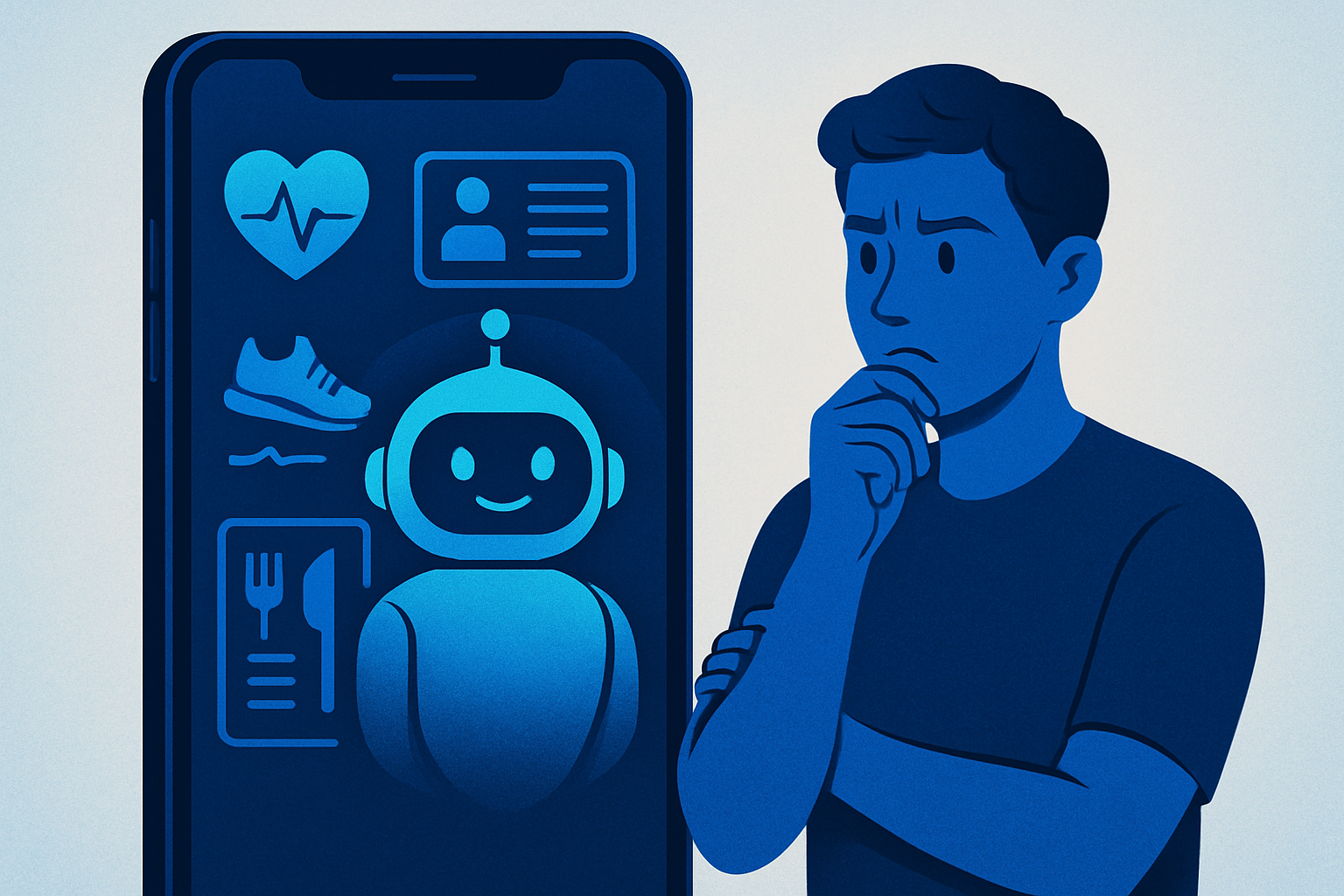
With user consent, ChatGPT Health can access various categories of data. This includes medications, lab results, recent consultation reports, as well as sleep and physical activity data. Users also have the option to manually add contextual information, such as personal goals or dietary restrictions.
For example, if a user informs the chatbot of a dietary restriction, this information will be automatically considered when suggesting recipes. In terms of integration, Apple Health is the primary provider of fitness data. OpenAI has not yet specified whether other services like Google Health will be integrated. Other connections are possible with applications such as MyFitnessPal, Peloton, and Weight Watchers. For medical data, sources include U.S. hospital systems and providers like One Medical and Function Health.
The Crucial Question of Privacy
Sharing health data with artificial intelligence raises significant privacy concerns. Users are questioning how their data is used and protected. OpenAI assures that health data benefits from additional encryption protections. The company states that this information will not be used to train its models or for advertising purposes. Users have the option to disconnect their data at any time, with such data being deleted from OpenAI's servers within 30 days.
A Launch Under Legal Scrutiny
The rollout of ChatGPT Health comes amid a complex legal backdrop. OpenAI is currently facing criticism regarding the reliability of its medical advice. A Florida resident recently filed a lawsuit against the company, accusing an earlier version of the model, GPT-4o, of providing dangerous medical recommendations.
According to the New York Times, the plaintiff claims that ChatGPT reassured him by saying he did not need to see a doctor, even though he was exhibiting symptoms of a pulmonary embolism, a condition requiring urgent medical intervention. The chatbot allegedly responded inappropriately, leading to potentially serious health consequences for the user.
Brief IA — L'actualité IA en français
L'essentiel de l'actualité de l'intelligence artificielle, décrypté et expliqué chaque jour.