Citadel and Situational Awareness: Crisis in the AI Market
Le brief IA que les pros lisent chaque soir
Les 7 actus IA du jour, décryptées en 5 min. Gratuit.
Inclus dès l'inscription : notre sélection des meilleurs guides & comparatifs IA.
Choisis ton rythme
Gratuit · Pas de spam · Désabonnement en 1 clic
An Unexpected Turn for Situational Awareness
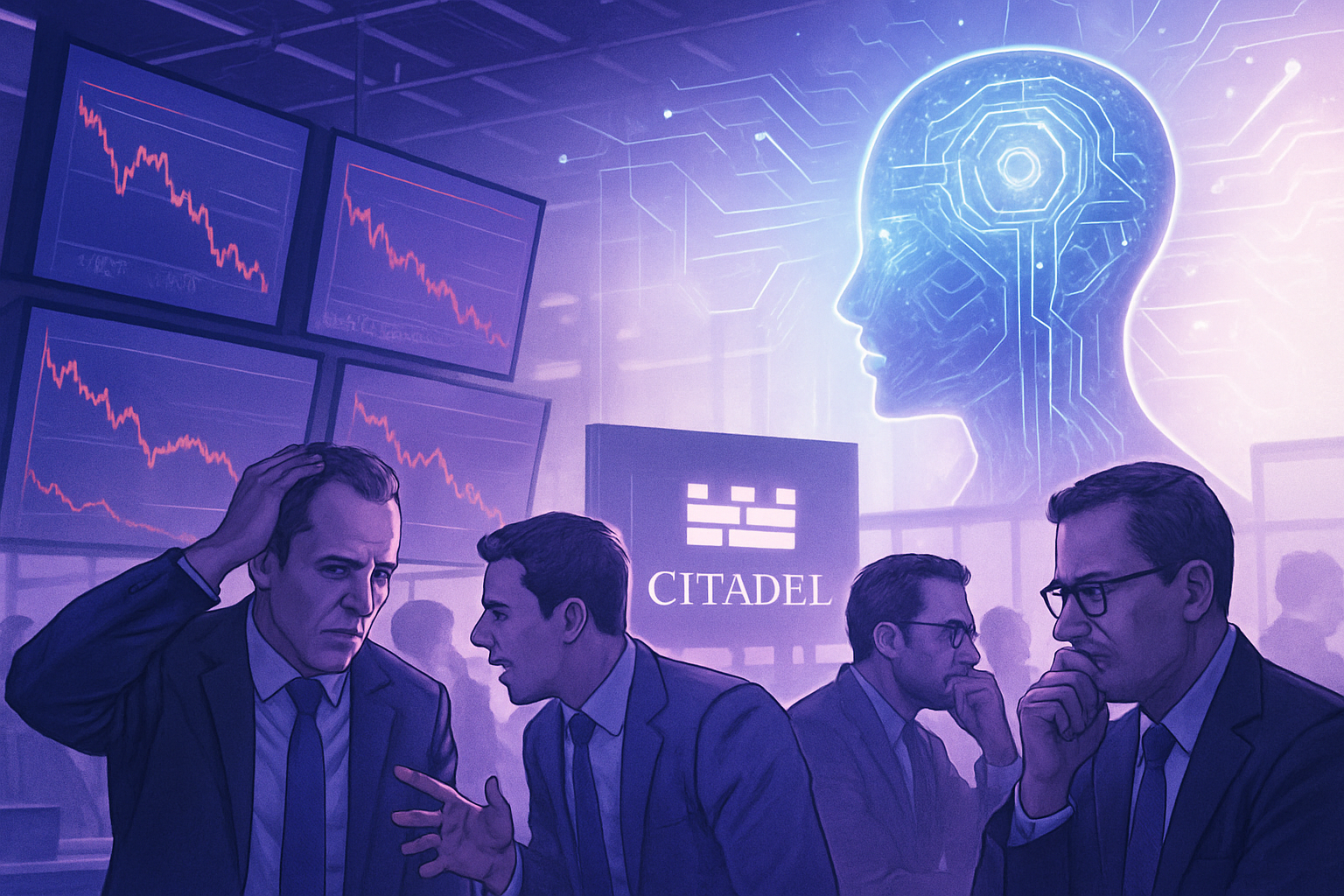
In the world of tech investment, Situational Awareness, an AI-focused fund led by Leopold Aschenbrenner, has recently made headlines due to its spectacular collapse. This fund, once valued at $20 billion, was forced to sell off most of its stock portfolio to Citadel, a renowned investment firm. This decision was prompted by significant losses on AI-related positions, raising questions about stability and trading practices in this rapidly expanding sector.
The sale came as a shock to many investors and market observers, as Situational Awareness had previously maintained a reputation as a pioneer in the AI field. Despite this massive sell-off, the fund chose to retain its private investments, including a notable stake in Anthropic, a promising company in the AI sector.
Reactions and Expert Analyses
The collapse of Situational Awareness has triggered a wave of reactions among tech and investment experts. Leopold Aschenbrenner, known for his background as a researcher at OpenAI and his influential 165-page essay on the future of AI, is at the center of discussions. Critics and memes on social media have also targeted Ken Griffin, the billionaire founder of Citadel, who played a key role in this transaction.
Michael Dempsey: Criticized Risk Management
Michael Dempsey, managing partner at Compound, expressed admiration for Situational Awareness's vision while criticizing its risk management. In a detailed post on X, he emphasized that the "foresight" of Situational Awareness was "incredibly impressive and should still be funded and respected." However, he criticized the fund's strategy, stating that it should have diversified its approaches instead of focusing on a single large bet. According to him, buying puts at the index level could have been a better way to mitigate risks.
Dempsey stressed the importance of learning from this failure rather than reveling in the fund's difficulties. He encouraged appreciation for the fact that Aschenbrenner attempted to realize his vision, even if the outcome did not meet expectations.
Shay Boloor: Citadel's Ruthless Strategy
Shay Boloor, chief market strategist at Futurum Equities, referred to this situation as "the story of 2026." He described how Citadel, under Ken Griffin's leadership, capitalized on the situation by purchasing Situational Awareness's assets at discounted prices. According to Boloor, Citadel anticipated a deterioration in market sentiment, forcing the fund to sell its assets at low prices, a maneuver he characterized as ruthless. He also noted that Citadel had stoked fears of a surprise rate hike just before the collapse, contributing to the pressure on the 4x leveraged fund.
For Boloor, this situation illustrates the ruthless nature of the stock market, which he considers the biggest game on the planet.
Tim Culpan: Between Intelligence and Wisdom
Tim Culpan, a former columnist at Bloomberg, highlighted the difference between intelligence and wisdom in the context of Situational Awareness's collapse. On LinkedIn, he explained that even though Aschenbrenner's investment thesis was correct in the long term, the use of leveraged positions limited his ability to withstand market fluctuations.
Martin Shkreli: A Lesson from Wall Street
Martin Shkreli, a controversial investor, shared his perspective on TPBN, a daily tech show. He described the collapse of Situational Awareness as "the saddest and most Machiavellian thing," emphasizing the inevitability of this failure due to the level of leverage used by the fund.
However, Shkreli expressed admiration for Aschenbrenner, calling him "brilliant" and predicting that he could still succeed in the investment field despite this difficult episode.
Christian Keil: The Fascination with Falls
Christian Keil, a partner at Andreessen Horowitz, analyzed the intense online reaction to Aschenbrenner's story. On X, he wrote that "people love a good fall," as they provide justification for those who have not experienced similar success.
Hank Medina: A Clash of Generations
Hank Medina, founder of Litquidity, compared the young and ambitious Aschenbrenner to Ken Griffin, a seasoned Wall Street veteran. On X, he wrote that "this is what happens when a tech bro tries to play hedge fund manager," illustrating how a novice can be overwhelmed by an experienced financial "juggernaut."
Tom Shaughnessy: A Call to Take Risks
Tom Shaughnessy, founding partner at Delphi Ventures, defended Aschenbrenner against critics. On X, he highlighted Aschenbrenner's courage in leaving OpenAI to pursue his vision and raise a fund. Shaughnessy encouraged respect for those who take risks, asserting that critics are often just "keyboard warriors."
Brief IA — L'actualité IA en français
L'essentiel de l'actualité de l'intelligence artificielle, décrypté et expliqué chaque jour.