Consultants and AI: A Shift Towards Regulation
Le brief IA que les pros lisent chaque soir
Les 7 actus IA du jour, décryptées en 5 min. Gratuit.
Inclus dès l'inscription : notre sélection des meilleurs guides & comparatifs IA.
Choisis ton rythme
Gratuit · Pas de spam · Désabonnement en 1 clic
A Shift for Consultants Towards AI Regulation
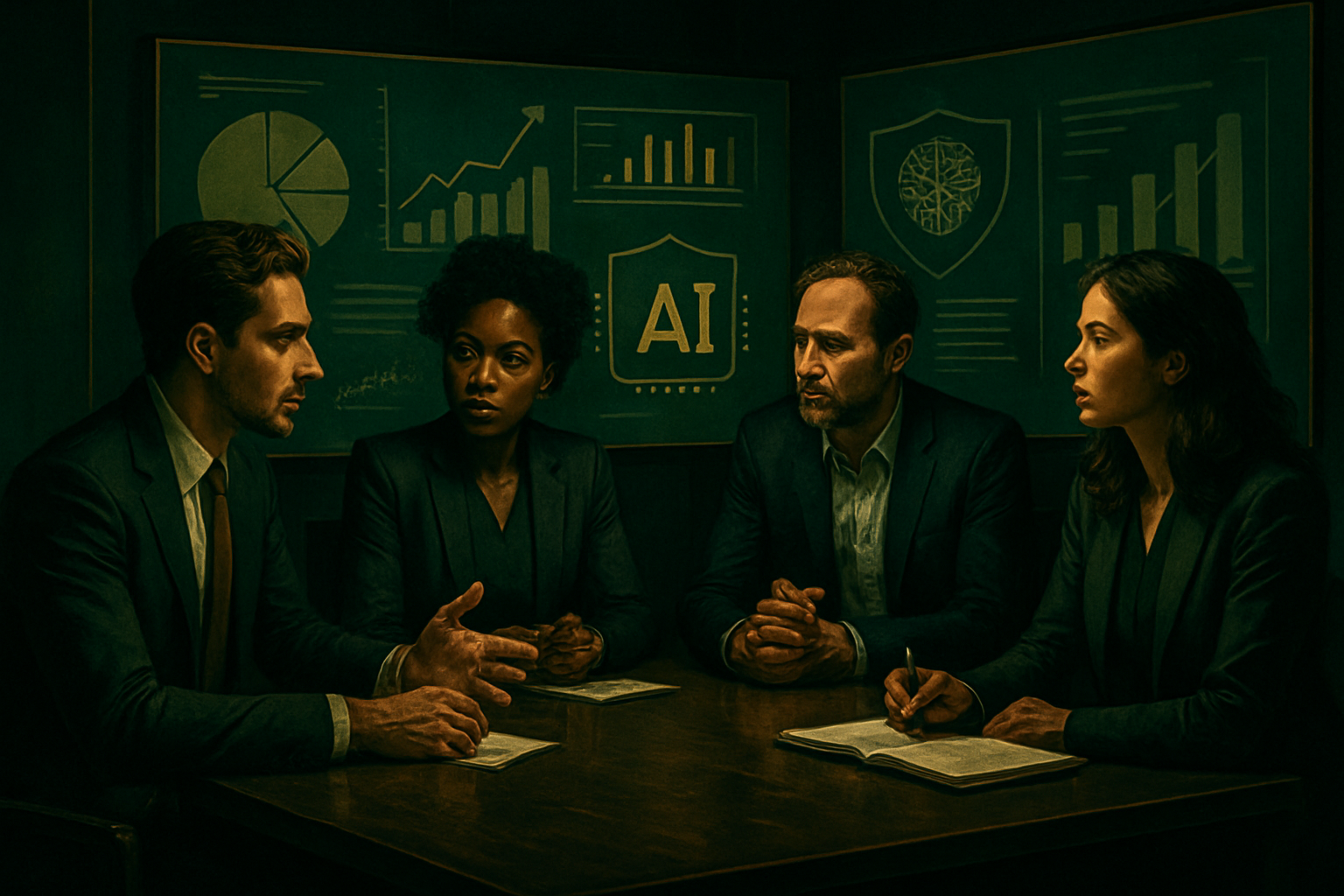
Consulting firms, traditionally focused on optimizing business performance, are increasingly turning their attention to artificial intelligence (AI). However, this transition does not appeal to all consultants. A growing number of them are choosing to leave large firms to dedicate themselves to AI safety and governance. Rather than moving into the tech sector, these professionals are focusing on the risks that AI systems, such as chatbots and intelligent agents, can pose to society.
Namaan Mian, Chief Operating Officer at Management Consulted, a company specializing in training students and professionals for careers in consulting, is closely observing the trajectories of former consultants. Many of them are moving into software development, startup operations, IT, and increasingly into venture capital and private equity. Although the data does not yet show significant movements towards roles in nonprofit organizations or startups focused on tech regulation, Mian notes that this area is gaining popularity, at least anecdotally.
The Impact of Sarah Pomeranz and Consultants for Impact
Sarah Pomeranz, who left her consulting position at Accenture, has founded and now leads Consultants for Impact, a nonprofit organization. This structure helps consultants pivot towards careers centered on urgent global issues. According to Pomeranz, about 40% of the career transitions supported by her organization involve AI safety, governance, and policy. This figure is roughly double that of movements towards global health and development, which is the second most significant category.
Pomeranz emphasizes that former consultants have found positions in organizations such as the UK AI Safety Institute, RAND, European Union institutions, and policy teams in advanced AI labs. She explains that many former consultants from large firms like BCG and McKinsey now hold influential roles in institutions that, in many ways, shape AI governance.
Unconventional Paths to AI Safety
Testimonials from former consultants who have left consulting for roles in nonprofit organizations dedicated to AI safety, political organizations, government roles, and research institutes have been gathered. These professionals have assisted governments in developing AI regulations and have overseen researchers studying the potential risks of advanced systems.
Lucas Le Merlus Schmuck, a former consultant at Bain, now works in the AI safety technical team at the nonprofit Coefficient Giving. Schmuck, who spent a year and a half at Bain before pursuing a master's in public policy focused on AI governance, notes that the direct transition from consulting to a nonprofit in the field of AI safety is still rare. He emphasizes the importance of familiarizing oneself with the field through courses and independent research before making the leap.
Peter Wallich, a former consultant at BCG, now holds the position of Senior Program Manager at the Constellation Institute. His role includes managing programs aimed at attracting more researchers to the field of AI safety. He believes that his management and coaching skills, acquired in consulting, are perfectly suited to this new role.
Challenges and Opportunities in AI Regulation
Wallich expresses gratitude to BCG for the start of his career but criticizes consulting firms for underestimating the transformative potential of AI and its risks. He laments that these firms do not take a proactive approach to risks for which they lack strong business incentives.
The imbalance between those seeking to push the boundaries of AI and those working to mitigate its risks is striking. Wallich estimates that for every hundred people looking to advance AI, there is only one person striving to prevent potential disasters.
However, those dedicated to AI safety are noticing an increase in the number of former colleagues making this transition. David Conrad, a former consultant at BCG in Australia, now leads a nonprofit organization that trains individuals for jobs in AI policy and governance across Europe. He observes a disproportionate presence of consultants in this sector.
AI safety organizations, although nonprofit, offer competitive salaries to attract technical talent, thus competing with well-funded labs. Schmuck notes that for consultants or associate consultants, moving to these organizations does not necessarily mean a pay cut and can sometimes even represent a salary increase.
Pomeranz adds that AI could make traditionally secure career paths less predictable. With companies freezing hiring, eliminating positions, and automating more junior tasks, joining a nonprofit or startup may no longer seem as risky as it once did. "It changes the calculation when safe options are not certainties either," she concludes.
Brief IA — L'actualité IA en français
L'essentiel de l'actualité de l'intelligence artificielle, décrypté et expliqué chaque jour.