Debian Considers Banning AI in Contributions
Le brief IA que les pros lisent chaque soir
Les 7 actus IA du jour, décryptées en 5 min. Gratuit.
Inclus dès l'inscription : notre sélection des meilleurs guides & comparatifs IA.
Choisis ton rythme
Gratuit · Pas de spam · Désabonnement en 1 clic
Debian Considers Banning AI in Contributions
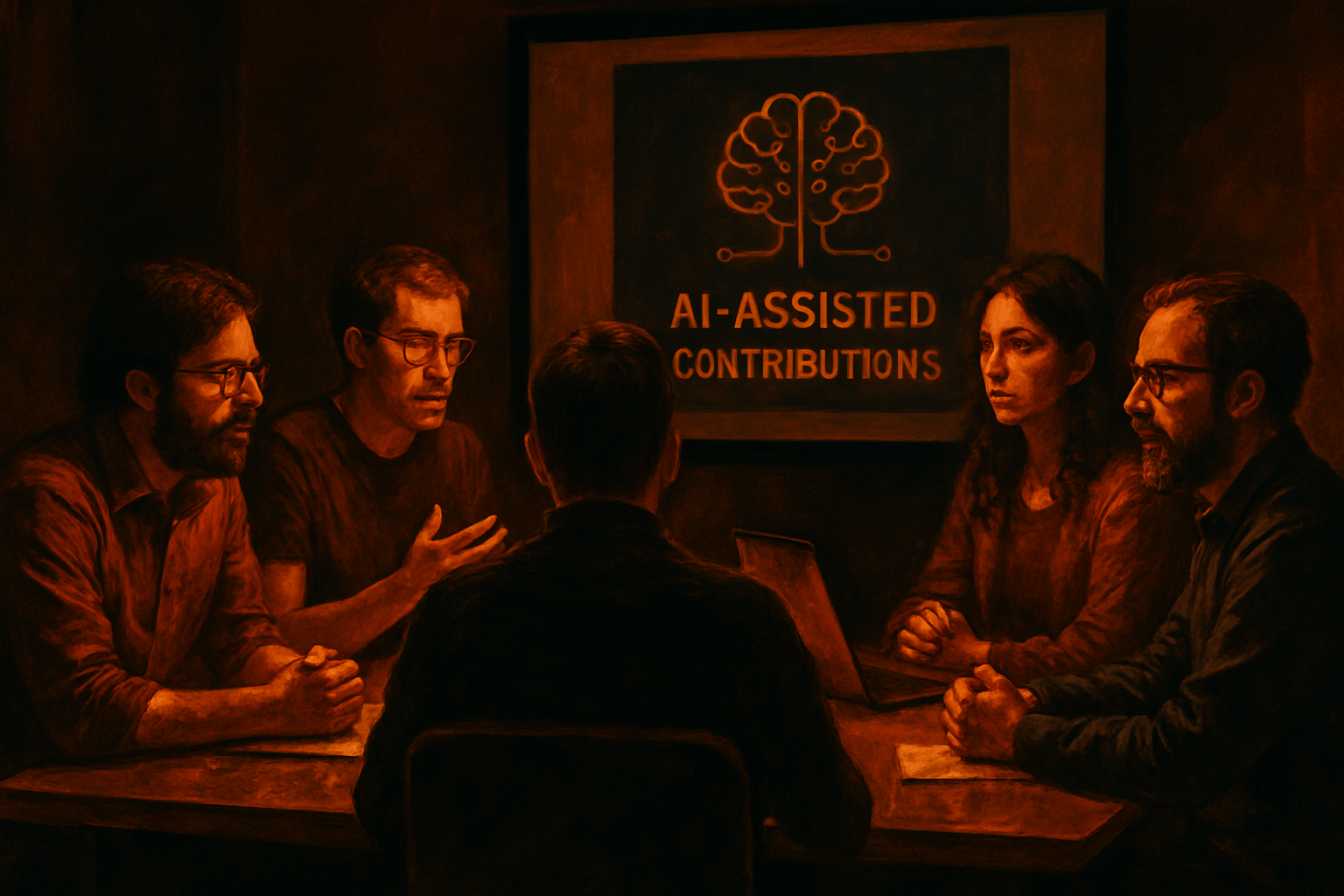
The Debian project is debating four proposals ranging from a complete ban on AI-assisted direct contributions to conditional acceptance. At the heart of the code quality issue is the protection of volunteer maintainers.
Should the Linux Debian distribution accept code, documentation, or messages written with the help of generative AI? The project opened an official procedure on July 24 to resolve this question. Four proposals are currently under discussion. The strictest one aims to ban these contributions, while the more permissive options prefer to hold the submitters accountable. No decision has been made yet.
From Total Ban to Conditional Authorization
-
The first proposal seeks to prohibit any contribution directly assisted by a large language model. This rule would cover Debian packages, software developed by the project, its websites, documentation, translations, and official communications. The ban would even be included in the Debian Social Contract. However, it is worth noting that external software integrated into the distribution and patches from their developers would remain outside its scope.
-
A second proposal accepts the use of AI, provided that the person responsible for the work fully assumes its quality, security, and compliance with licenses. It stipulates that this assistance should be disclosed when it plays a significant role, and that automated modifications made in large numbers should be discussed beforehand.
-
A third proposal calls for rejecting LLMs "as much as possible." It specifically prohibits their use for writing bug reports, community messages, or project-related publications.
-
The fourth proposal argues that a ban would be impossible to enforce. It therefore allows these tools when the person understands the content submitted, can defend it, and assumes responsibility for it. It also requires the disclosure of AI assistance and prohibits sending sensitive or non-public project-related data to a cloud service.
Time Saved by Some, Work Left for Others
Behind the issues of licensing and reliability, opponents of AI highlight a human problem. Generating a patch may be quick, but verifying its functionality, spotting errors, and ensuring it can be maintained requires much more effort. The time saved for the person submitting the code may therefore shift the burden onto the volunteers tasked with reviewing it, risking their burnout.
The authors of the most restrictive text also fear that newcomers will use LLMs without learning how Debian packages and tools work. They could then produce proposals that are difficult to implement without acquiring the necessary skills to sustainably participate in the project. In the long run, AI might accelerate code production but not the renewal of the community responsible for ensuring its quality.
Debian has not yet set a date for the vote. Opened on July 24, the discussion period is expected to last between two and three weeks, unless the project leadership modifies this timeline. At the end of this period, the project secretary will publish the ballot and open the vote, either immediately or within a maximum of seven days. The voting period will typically last two weeks, a duration that can be shortened or extended by one week, and will be reserved for Debian Developers.
Brief IA — L'actualité IA en français
L'essentiel de l'actualité de l'intelligence artificielle, décrypté et expliqué chaque jour.