Fitbit Air: Google Reinvents Minimalist Health Tracking
Le brief IA que les pros lisent chaque soir
Les 7 actus IA du jour, décryptées en 5 min. Gratuit.
Inclus dès l'inscription : notre sélection des meilleurs guides & comparatifs IA.
Choisis ton rythme
Gratuit · Pas de spam · Désabonnement en 1 clic
The Fitbit Air, the latest addition to Google's health tracker lineup, is now available for pre-order and will officially launch on May 26. Priced attractively at $99, this device marks a return to Fitbit's fundamentals with a sleek and functional design. It is the first hardware product from Fitbit in nearly four years.
A Design Inspired by the Past
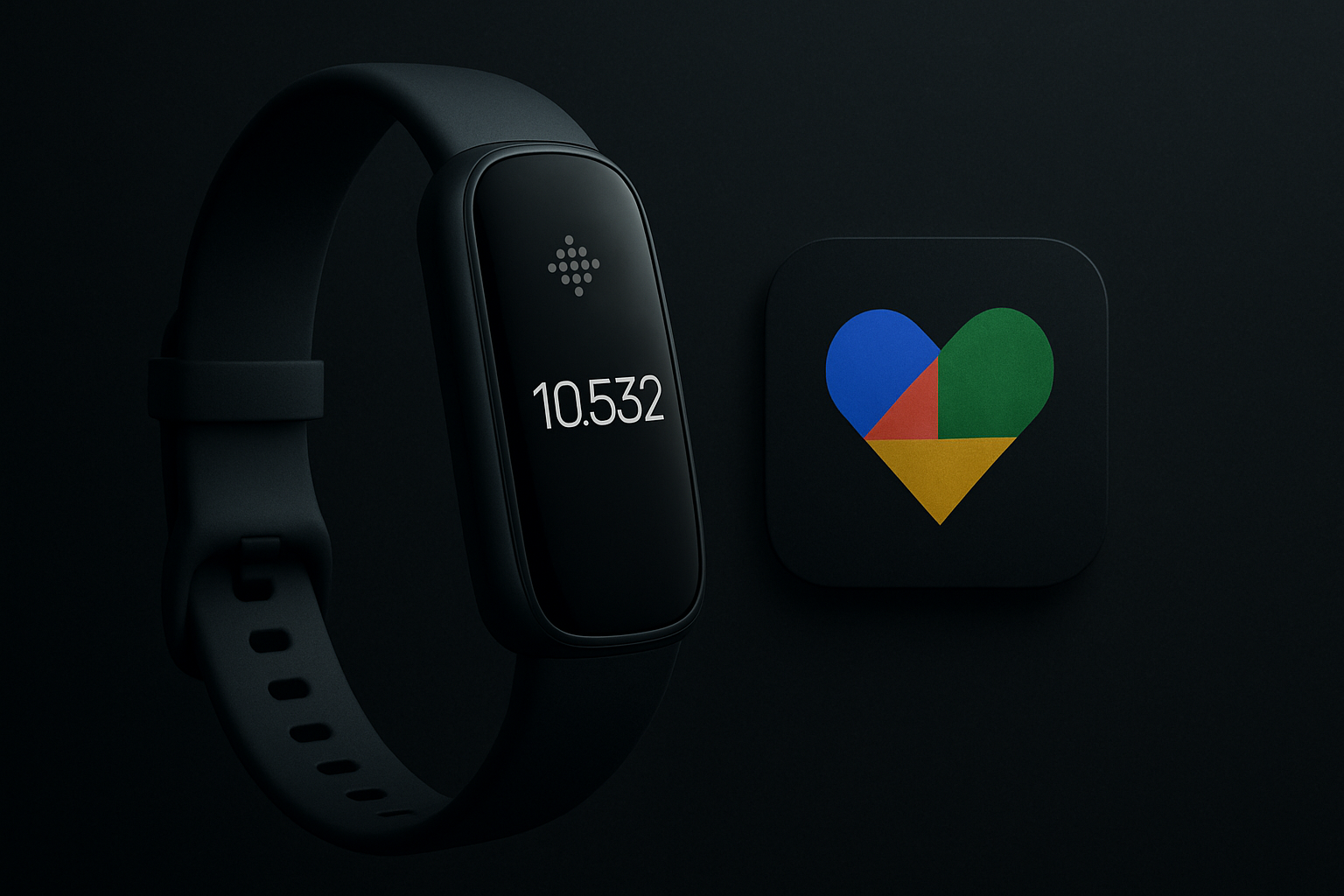
The Fitbit Air stands out for its lack of a screen and its metallic fabric loop, reminiscent of Fitbit's early models. Initially compared to a Whoop clone, the Fitbit Air is evolving into its own identity. This tracker pays homage to the brand's beginnings while incorporating modern technologies. It is designed to be modular, allowing users to remove the sensor from the band and insert it into other accessories. Additionally, the Air is waterproof up to 50 meters, making it suitable for use in various conditions.
Technical Features
Compared to its predecessors, the Fitbit Air is 25% smaller than the Luxe model and 50% smaller than the Inspire. Weighing only 12 g with the band and 5.2 g without, it is lightweight and discreet. It is equipped with essential sensors such as an optical heart rate sensor, a gyroscope, an accelerometer, a blood oxygen saturation sensor, and a skin temperature sensor. Its battery offers a seven-day lifespan, with a quick five-minute charge providing enough power for a day's use. The Air also works in tandem with a Pixel Watch, allowing users to wear one during the day and the other for workouts and sleep. It features an LED charging light and vibrations for silent alarms.
Towards Complete Integration
The arrival of the Fitbit Air coincides with a major overhaul of the Fitbit ecosystem. Starting May 19, the Fitbit app and Android's Health Connect app will be consolidated into a single Google Health app, unifying Google's health services. The Fitbit Premium subscription will be rebranded as Google Health Premium, with no change in pricing. The AI-powered health coach will exit beta and become publicly accessible. This transition is part of Google's strategy to integrate Fitbit, acquired for $2.1 billion in 2021, into its overall offering. In early 2024, the original leadership of Fitbit was laid off, marking a significant shift in the brand's management.
A Unified Health Platform
Google Health will not be limited to Fitbit devices but will also be compatible with other wearables like Garmin, Whoop, and Oura. This cross-platform approach aims to provide a consistent and enriched user experience. Chandra, Vice President of Health and Home at Google, explains that the health app will not be specific to Fitbit hardware. It will also be compatible with iOS. The beta version of the Google Health app has already attracted nearly 500,000 users, and Google has received over a million feedback responses. The final version of the app will add missing features, more flexibility with sports coaching, a more customizable interface to highlight metrics, a more accurate sleep algorithm, and a less talkative AI coach.
User Frustrations
Long-time Fitbit users have expressed their frustration over numerous outages and outdated features. The introduction of the Pixel Watch has also contributed to some confusion within Google's wearable lineup.
Brief IA — L'actualité IA en français
L'essentiel de l'actualité de l'intelligence artificielle, décrypté et expliqué chaque jour.