Kalibrate: AI Accused of Inflating Prices in California
Le brief IA que les pros lisent chaque soir
Les 7 actus IA du jour, décryptées en 5 min. Gratuit.
Inclus dès l'inscription : notre sélection des meilleurs guides & comparatifs IA.
Choisis ton rythme
Gratuit · Pas de spam · Désabonnement en 1 clic
Accusations of Price Manipulation by AI in California
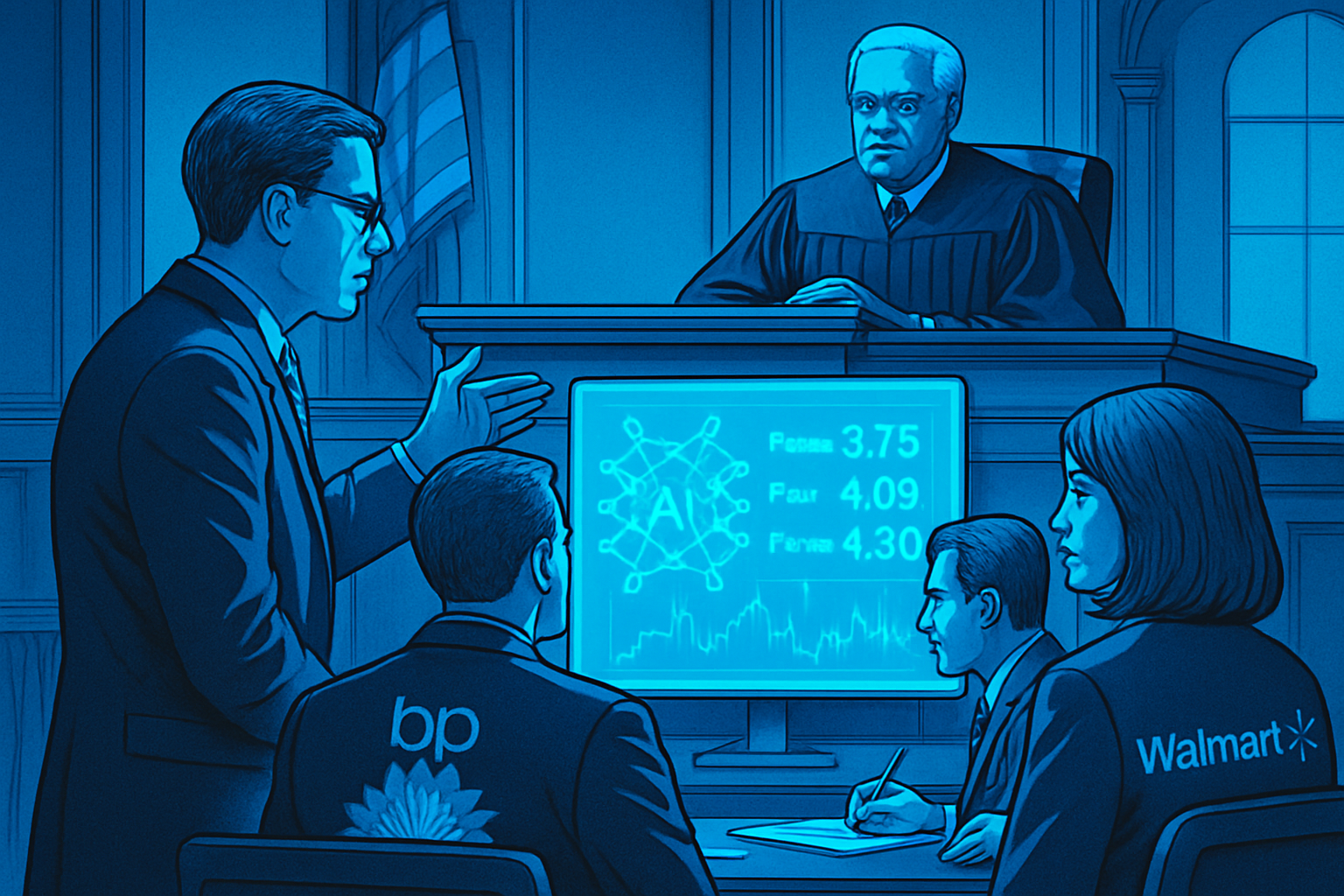
In California, motorists have recently faced gas prices ranging between $6 and $7 per gallon, a situation that could take a turn thanks to an ongoing class action lawsuit. This lawsuit, filed on June 22 in the Eastern District of California, targets several major gas station chains, accusing them of manipulating pump prices. The implicated tool is a pricing software based on artificial intelligence developed by Kalibrate Fuel Systems. This software allegedly uses competitor pricing data to adjust fuel rates. Among the companies targeted are giants such as BP, Walmart, Marathon Petroleum, 7-Eleven, Albertsons, and Circle K, totaling over 1,700 gas stations across the state.
The plaintiffs argue that the use of this software has resulted in a price increase of about 30 cents per gallon compared to what normal competition would have allowed. The class action describes this practice as an "illegal algorithmic price-fixing scheme," orchestrated by Kalibrate and some of California's largest fuel retailers. In a state where gas prices are already the highest in the country, even slight increases can have a significant impact on consumers.
So far, Kalibrate has not provided an official comment on these allegations.
California Legislation Against Price Fixing
The lawsuit is based on California law AB 325, enacted earlier this year to combat algorithmic price-fixing practices. This legislation provides plaintiffs with a legal tool to pursue companies suspected of collusive pricing through shared algorithms. It also facilitates the presentation of these cases under the Cartwright Act, the state's primary antitrust law.
A spokesperson for the California Energy Commission's Petroleum Market Oversight Division emphasized that the agency is closely monitoring fuel markets and has warned refiners, distributors, and fuel sellers about the obligations imposed by AB 325. "The PMOD will continue to engage with market participants to ensure they comply with existing laws," he stated in an email to CNET.
In early June, the Commission had already issued a warning regarding price differences between branded and generic gasoline, exacerbated by international tensions, including the war in Iran. An investigation into gas stations charging high prices is underway.
The class action was initiated by three Californians: Joel Casciani from Chula Vista, Paola Hartman from Homeland, and Crystal Turnbough from Marysville. All three claim to have paid excessive prices at stations using Kalibrate's pricing system. The amount of damages sought has not been specified, but the plaintiffs are requesting compensatory damages and treble damages for their losses.
Debates Around Dynamic Pricing and Surveillance Pricing
Dynamic pricing, although controversial, is not a new concept. For decades, companies have integrated algorithms into their sales systems to adjust prices in real-time. Well-known examples include Uber's surge pricing for ridesharing and airlines' fare adjustments.
Recently, ticket prices for the World Cup reached historic highs due to demand. While criticized by many fans, the U.S. Chamber of Commerce defended this practice, noting that prices tend to drop after the initial wave of demand.
However, recent advancements in technology have allowed companies to collect more data on their customers. With the help of AI, they can now set prices based on this information, a practice known as surveillance pricing. Unlike dynamic pricing, which is based on demand and competition, surveillance pricing uses personal data to determine the price a consumer is willing to pay.
In December, New York State passed a law limiting surveillance pricing, which recently came into effect. In California, lawmakers have also proposed similar restrictions with AB 2564, which aims to prohibit retailers from setting prices based on consumers' personal information. This initiative is supported by many digital rights and privacy advocates, including the Electronic Frontier Foundation, which states that "surveillance pricing harms privacy, fairness, and price transparency."
Brief IA — L'actualité IA en français
L'essentiel de l'actualité de l'intelligence artificielle, décrypté et expliqué chaque jour.