China Plans to Restrict Export of Its AI Technologies
Le brief IA que les pros lisent chaque soir
Les 7 actus IA du jour, décryptées en 5 min. Gratuit.
Inclus dès l'inscription : notre sélection des meilleurs guides & comparatifs IA.
Choisis ton rythme
Gratuit · Pas de spam · Désabonnement en 1 clic
China Considers Restrictions on Its AI Technologies
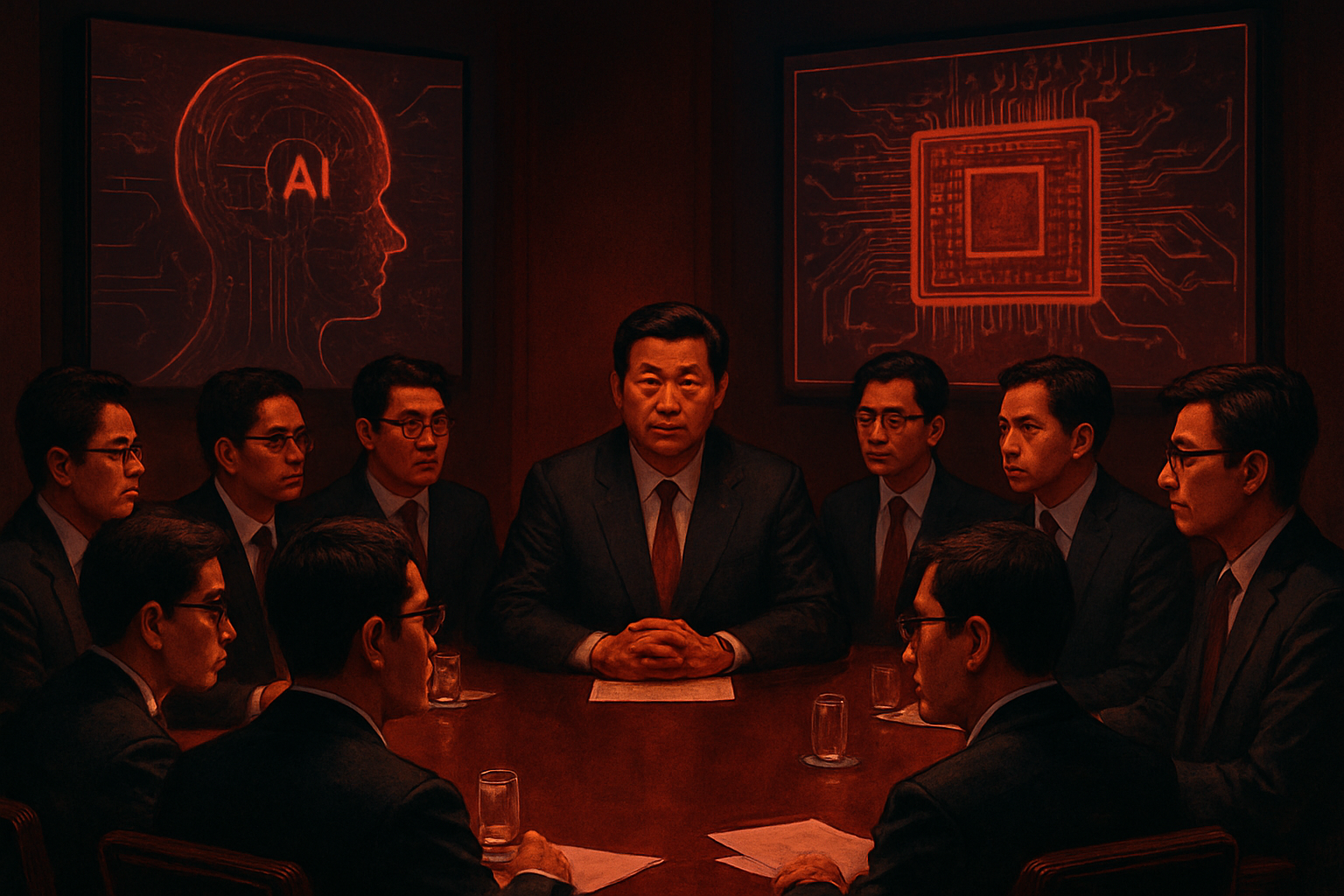
China is preparing to implement controls on the export of its cutting-edge technologies, particularly in the fields of artificial intelligence and semiconductors. For several years, Beijing has criticized the stringent restrictions imposed by the United States on the export of advanced technologies to China. Until now, Chinese measures have primarily focused on rare metals. However, with its technological rise, China is now considering restricting access to its most advanced innovations.
Protecting AI Models While Maintaining Access
China aims to protect its artificial intelligence models while keeping them accessible. The impressive performance of recent models, such as Kimi K3, has strengthened this resolve. The country is increasingly being compared to the United States in the technological arena. These considerations are part of a broader strategy to preserve China's competitiveness on the global stage.
According to the Financial Times, the Chinese Ministry of Commerce has engaged in consultations with key players in AI, including Alibaba, ByteDance, and Zhipu. The goal is to limit the export of training data and critical parameters of its AI models while maintaining access to these technologies and services.
Impact on the Semiconductor Sector
China is also looking to prevent foreign companies from acquiring its most promising startups. A notable example is the aborted acquisition of Manus AI by Meta, which was blocked by Beijing. The proposed restrictions would not be limited to artificial intelligence. China is also considering restricting chip production by foreign manufacturers, such as TSMC, for local companies like Huawei, ByteDance, or Alibaba.
Although most of these measures are still in the discussion phase, Chinese tech giants have expressed concerns. They fear that these controls could slow down the development of artificial intelligence in China.
Brief IA — L'actualité IA en français
L'essentiel de l'actualité de l'intelligence artificielle, décrypté et expliqué chaque jour.