Legora Builds Its Library to Compete with LexisNexis
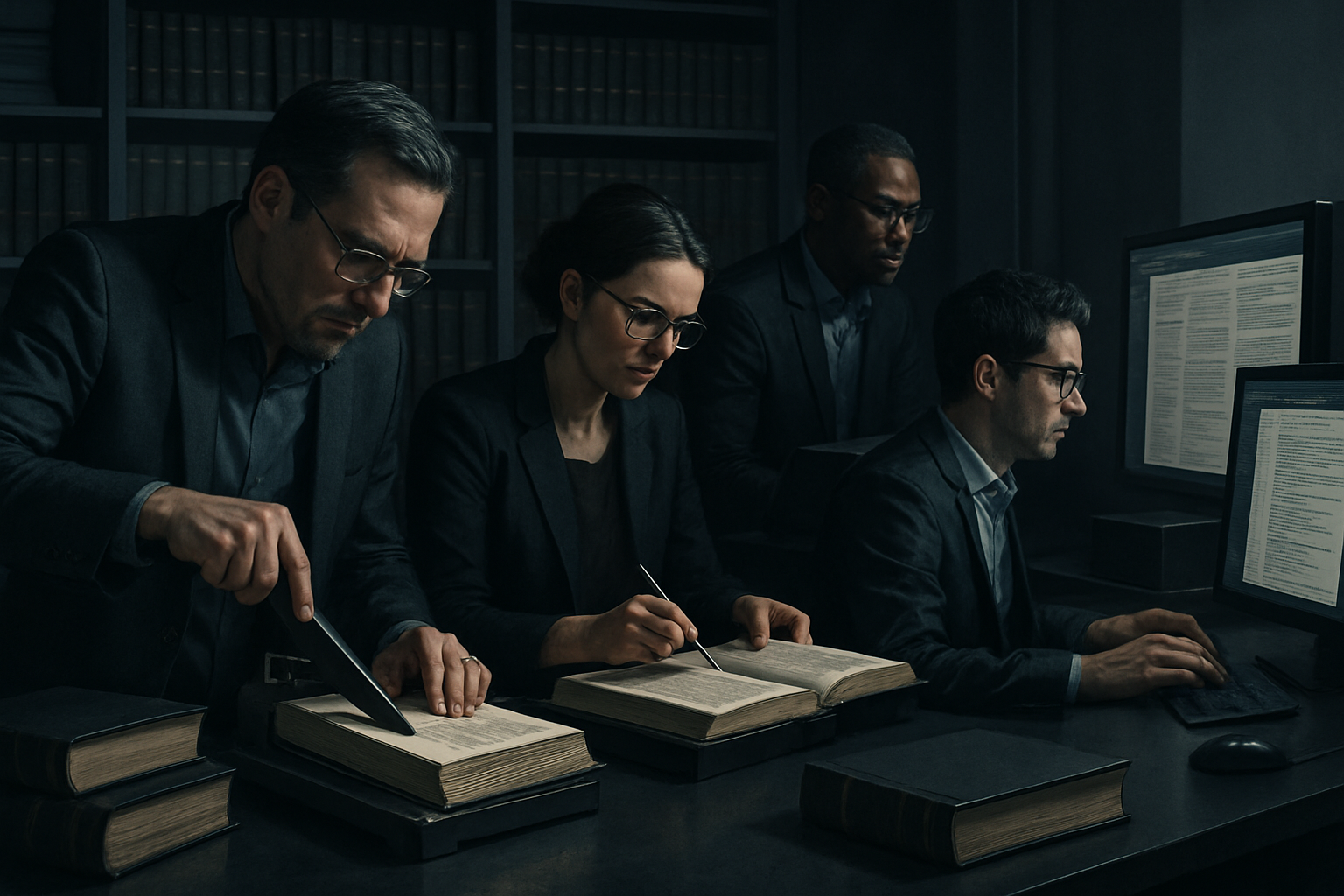
The Swedish unicorn Legora accelerates in legal research: former lawyers, licensing agreements, and in-house digitization to build a citable corpus. The goal: to limit AI hallucinations and challenge the LexisNexis-Westlaw duopoly while seeking to catch up with Harvey.
Uncertain Adoption Amid Authority and Habits
There is no guarantee that law firms will deactivate their LexisNexis and Westlaw accounts to invest more in Legora. Lawyers continue to use these databases out of habit, just as they would open a Word document. Even if Legora manages to compile a similar corpus, it would not immediately benefit from the same level of authority as the two historical platforms. The legal research market has been dominated by a duopoly for decades.
Global Licenses and Digitization Efforts
According to Melanie Brown, Legora has signed licensing agreements with dozens of publishers worldwide, including Wolters Kluwer, and a dozen more are in negotiation. The company does not license content from LexisNexis or Thomson Reuters, the owner of Westlaw. Its current plan is to collect more global laws directly. In the United States, although court decisions are public, citable versions remain locked in physical volumes held by LexisNexis and Westlaw. To obtain these sources, Legora removes the bindings from books, strips out the notes and summaries from publishers, digitizes the pages, and verifies the accuracy of the digital copies. This work is described as extremely tedious. Meanwhile, Legora is expanding its corpus of case law and entrusting a team of former lawyers with collecting and mapping the relationships between cases and texts.
Le brief IA que les pros lisent chaque soir
Les 7 actus IA du jour, décryptées en 5 min. Gratuit.
Inclus dès l'inscription : notre sélection des meilleurs guides & comparatifs IA.
Choisissez votre rythme
Gratuit · Pas de spam · Désabonnement en 1 clic
Targeted Reliability: From "Good Law" to Hallucinations
Melanie Brown believes that linking Legora's software to verified sources could reduce the risk of hallucinations. A case is considered "good law" when it has not been overturned, replaced, or contradicted and remains reliable for citation. Legora aims to prevent outdated laws from appearing in the documents prepared with its tools. Major firms already rely on LexisNexis and Westlaw to verify this point. Citing an inapplicable rule can be embarrassing and detrimental to a client's case.
From "Big Two" to "Big Three" and the Pressure from Harvey
Legora has a plan to compete with LexisNexis and Westlaw and aims to transform the "Big Two" into the "Big Three." It also seeks to close the gap with Harvey, a better-funded startup targeting law firms and corporate legal services. The two main historical players have devoted significant resources in recent years to developing analytical and drafting solutions, the performance of which is regularly debated online and during Legora's discussions with potential clients. According to Melanie Brown, many firms often express dissatisfaction with the need to choose between having the best legal databases or the most advanced technological tools. Legora, considered one of the most highly valued and well-funded unicorns in the sector, thus intensifies its direct competition with already established players. Melanie Brown, senior director of legal data, previously worked at Rlex, the owner of LexisNexis, before joining Legora this year.
Total Ambition for the Corpus and a Product Bet
Melanie Brown ultimately aims for the entire legal universe to be accessible via Legora. She states that AI systems poorly recognize the limits of their knowledge and "need everything to reason effectively." Legora claims it wants to collect global legal data and strengthen its presence in the sector. The company bets that investing in its own library will provide a better experience for lawyers, which would be a gain even if the duopoly does not recede.
Brief IA — L'actualité IA en français
L'essentiel de l'actualité de l'intelligence artificielle, décrypté et expliqué chaque jour.