Microsoft Scout: the AI Redefining Personal Assistants
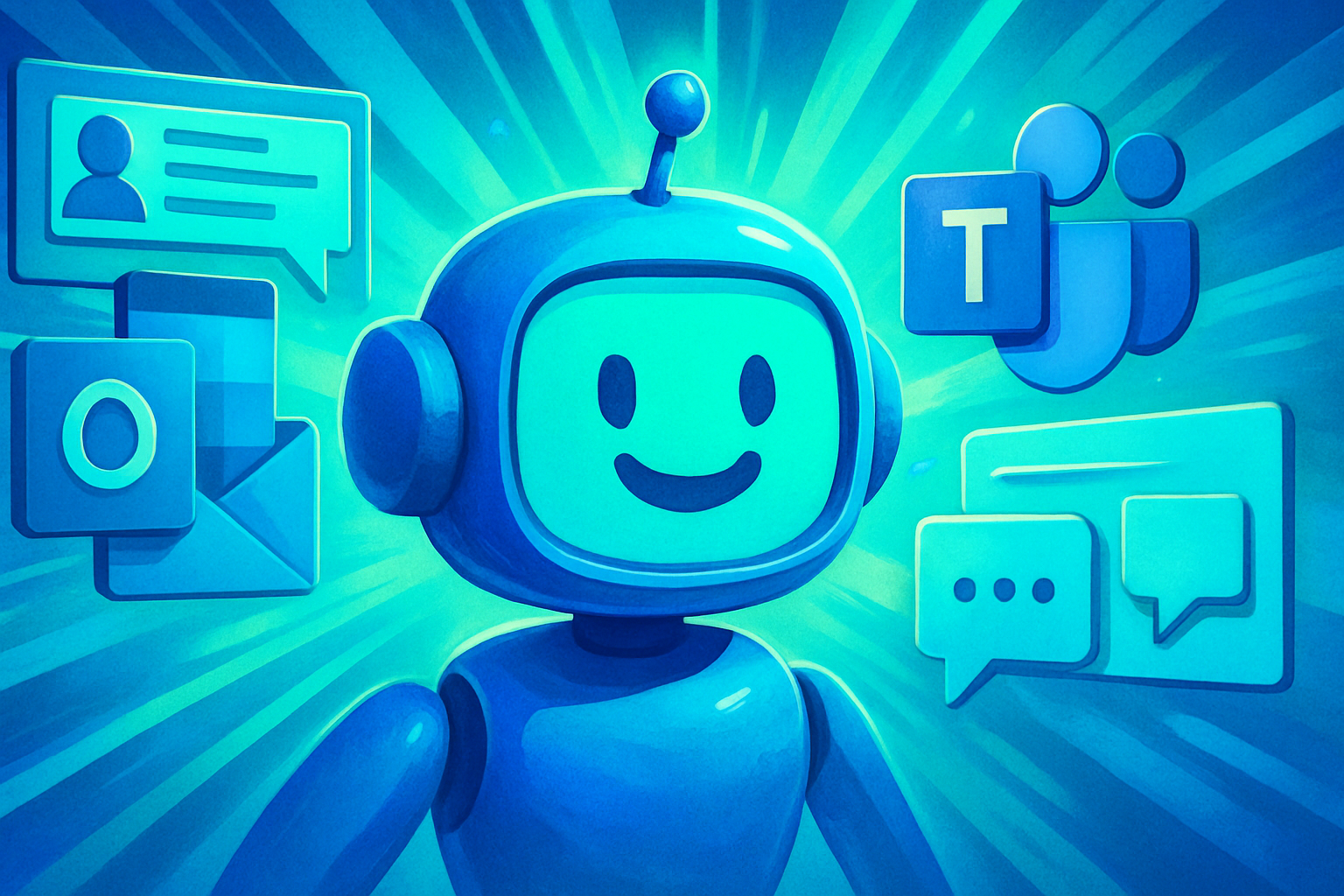
Microsoft Scout: A Revolution in AI Personal Assistance
Microsoft recently unveiled Scout, its very first AI-based personal assistant, which leverages OpenClaw technology. This launch marks a turning point for the company, which aims to compete with giants like Google by offering a solution integrated into Microsoft 365 applications such as Outlook, OneDrive, and Microsoft Teams. The goal is to provide businesses with a powerful tool to help their employees manage their daily tasks more effectively, whether it involves scheduling meetings, drafting emails, or tracking expense reports.
Unlike Copilot, which is limited to internal functions within Microsoft 365 applications, Scout stands out for its ability to act as a true personal assistant. Omar Shahine, corporate vice president of Microsoft Scout, emphasized in an interview that this assistant is designed to proactively interact with users, even going so far as to make phone calls to offer personalized recommendations. This approach differentiates Scout from simple chat interfaces, positioning it as a versatile and proactive tool.
Advanced Features for Optimal Organization
Scout is designed to monitor various aspects of its users' daily lives, such as traffic conditions and personal calendars, to suggest the best time to leave for an appointment or pick up children from school. In the background, it analyzes discussions on Teams, transcriptions, and emails to identify important items and highlight them. This ability to extract relevant information and use it to optimize personal organization is one of Scout's strengths.
Microsoft has chosen to launch Scout gradually, starting with a preview version for Frontier customers in the United States. This cautious approach allows the company to test and refine the service before rolling it out more widely. A full cloud version is planned, but for now, only a few clients will have access to a limited preview in the coming months.
Le brief IA que les pros lisent chaque soir
Les 7 actus IA du jour, décryptées en 5 min. Gratuit.
Inclus dès l'inscription : notre sélection des meilleurs guides & comparatifs IA.
Choisissez votre rythme
Gratuit · Pas de spam · Désabonnement en 1 clic
A Tangible Success Internally
The desktop application of Scout has already won over more than 3,000 Microsoft employees, who use it to schedule meetings, manage documents, book travel, and fill out forms. This rapid internal adoption demonstrates the tool's effectiveness in helping users stay up to date with their tasks, whether professional or personal. Omar Shahine noted that Scout enables people to focus on their personal aspirations by reducing time wasted on administrative tasks.
A Commitment to Security and Privacy
Rather than developing a separate version of OpenClaw, Microsoft has chosen to contribute directly to this open-source project, despite past criticisms from its CEO Satya Nadella, who had compared OpenClaw technology to a virus. The AI skill extensions of OpenClaw had also been labeled a security nightmare. Concerns regarding data security and privacy have been addressed, with rigorous processes implemented to safely integrate OpenClaw. Shahine explained that Microsoft uses a secure cloud environment to isolate OpenClaw, preventing access to sensitive data. OpenClaw operates in a cloud environment that is sandboxed, and Microsoft considers it unreliable so that it does not have access to your secrets or your Microsoft 365 data.
Microsoft also relies on its suite of security tools, such as Agent 365, Purview, and Defender, to control the use of OpenClaw. Regular security tests and privacy assessments are conducted to ensure that the tool is safe for enterprise environments. Shahine expressed confidence in the measures taken by Microsoft to protect the service and provide customers with a carefully selected set of features.
Intense Competition to Dominate the AI Assistant Market
Competition is heating up with Google, which is developing Gemini Spark, its own version of OpenClaw, to integrate it into Workspace applications like Gmail and Docs. This race for innovation in the field of AI personal assistants could transform the way businesses manage their daily operations. The real challenge will be to see how Scout and Gemini Spark adapt to users' habits and preferences while ensuring data security. The future of AI assistants will depend on their ability to provide seamless assistance, comparable to that of a human assistant.
Brief IA — L'actualité IA en français
L'essentiel de l'actualité de l'intelligence artificielle, décrypté et expliqué chaque jour.