MiniMax, MiMo, GLM: AI Subscriptions Transforming Coding
Le brief IA que les pros lisent chaque soir
Les 7 actus IA du jour, décryptées en 5 min. Gratuit.
Inclus dès l'inscription : notre sélection des meilleurs guides & comparatifs IA.
Choisis ton rythme
Gratuit · Pas de spam · Désabonnement en 1 clic
AI Subscriptions Revolutionize Coding
For a long time, developers have enjoyed "unlimited" AI coding plans, which seemed like a great deal. A fixed monthly fee allowed access to powerful coding agents without restrictions. However, this model has proven unsustainable. The operational costs of advanced AI models are high, and many companies have likely incurred losses by offering intensive usage at reduced rates.
Today, AI coding platforms are adopting more measured subscription models. Some are based on tokens, others on credits, and some impose hourly, weekly, or continuous usage limits. The idea remains that access is paid, but usage is now more strictly regulated.
This evolution can be beneficial if implemented well. For developers working intermittently, usage-based or credit-based plans can offer more flexibility than "unlimited" plans that may suddenly slow down or block access. You know exactly what you are paying for and can better plan your coding sessions.
However, not all AI coding subscriptions are created equal. Some offer generous usage for the price, while others quickly deplete credits or make limits difficult to understand.
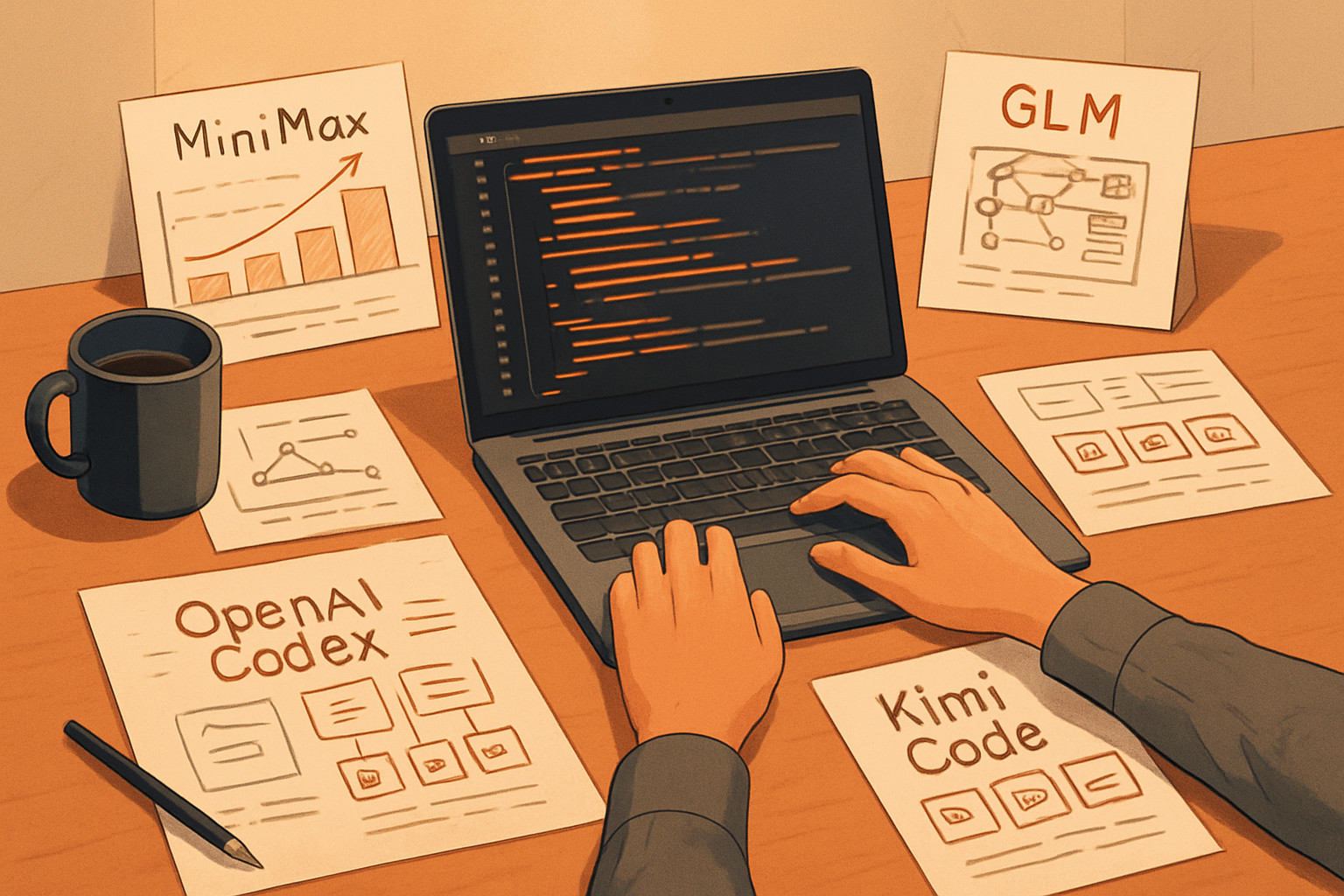
In this article, I will share five AI coding subscription plans that I believe offer the best value for developers. These plans vary between those based on tokens, credits, or quotas, but all are useful depending on your workflow. These choices are based on my personal experience, so your results may vary depending on your use of AI coding tools.
1. MiniMax Token Plan
The MiniMax Token Plan is one of my favorites because it offers generous usage at an affordable price. For $20/month, you gain access to MiniMax coding models via the web and desktop app, and you can also use it with tools like Claude Code, Cursor, Cline, Kilo Code, Roo Code, Codex CLI, and OpenCode.
This plan stands out for its flexibility compared to hourly or weekly coding limits. With a large token allocation, it is ideal for daily coding, debugging, refactoring, and agent workflows, and can last a long time. For those who prefer to start small, it is possible to purchase prepaid credits starting at $5 and use them as needed.
For me, this is one of the plans offering the best value because it allows developers high usage without the high cost.
2. MiMo Token Plan
I experimented with the MiMo Token Plan for an entire month after acquiring it at a very low promotional price. I used it more than GLM, MiniMax, Codex, and Gemini. The main reason is its speed, efficiency in reasoning tokens, and the quality of user interface generation.
The plan works similarly to MiniMax. You subscribe monthly and receive credits usable on different MiMo models on the platform. This makes it useful if you enjoy testing new models, running coding agents, or building your own custom AI workflows.
The MiMo-V2.5-Pro model from Xiaomi supports a context of up to 1 million tokens and is designed for agent coding and long-term software tasks. It also integrates with coding and agent tools such as OpenCode, Cline, OpenClaw, Kilo Code, and Blackbox. While it is not a full IDE coding subscription, it works well for custom workflows, coding agents, and large context development tasks.
3. GLM Coding Plan
The GLM Coding Plan has undergone many changes recently, which has not pleased everyone. It is no longer the cheapest coding subscription available. Z.ai has raised its prices, likely to justify the cost of maintaining the same coding experience, improving integrations, and releasing better models like GLM-5.2.
I understand why they made this change. Running large coding models is expensive, and Z.ai is competing with major AI companies like OpenAI. Developing better models requires research, computing resources, and infrastructure, and all of this costs money.
That said, the GLM Coding Plan remains useful for developers who want a dedicated coding agent subscription. It works with tools like Claude Code, Cline, Kilo Code, OpenCode, OpenClaw, and other supported coding tools. It is more focused on real coding workflows than on general chat.
4. OpenAI Codex
I use the OpenAI Codex extension for VS Code almost every day, and I have been using it for months now. I have very few complaints. It understands my codebase well, works smoothly in VS Code, and best of all, I don’t need a separate coding subscription. It is included in my ChatGPT plan.
Recently, I also added extra Codex credits so that when I hit daily or weekly limits, my work doesn’t stop. And believe me, if you use it for serious coding sessions, those limits can be reached quickly. Having backup credits gives you some breathing room.
OpenAI Codex is an excellent choice for developers who are already using ChatGPT for research, writing, debugging, planning, and coding. It integrates seamlessly into the ChatGPT ecosystem and can assist with code generation, debugging, project modifications, and understanding large codebases.
5. Kimi Code
Kimi Code is not a pure prepaid token plan like MiniMax, but I think it deserves a spot on this list because it offers developers solid usage for the price. Instead of buying tokens once and using them until depleted, Kimi Code gives you a renewed quota each week.
What makes it useful is that it is designed for real coding workflows. You can use it in the web app, VS Code, CLI, and other developer tools. It can assist with understanding the codebase, terminal tasks, file modifications, debugging, refactoring, and building features.
With the new Kimi K2.7 Code model, the plan seems even more valuable. It is great for developers who want an agent coding assistant without paying the high price of some other premium coding tools.
Final Recommendation
Here’s a quick comparison of all five plans, based on pricing style, workflow, and where I think each offers the best value.
Why It’s Good Value
-
MiniMax Token Plan
- Monthly plan based on tokens + prepaid credits
- Developers who want high usage at a low price
- Large token allocation, low starting price, and support for many coding tools
-
MiMo Token Plan
- Monthly credit-based plan
- Developers testing models and custom AI workflows
- Fast responses, good UI generation, token efficiency, and 1M token context support
-
GLM Coding Plan
- Quota-based coding subscription
- Developers wanting a dedicated coding agent plan
- Access to powerful GLM coding models like GLM-5.2 and support for agent coding tools
-
OpenAI Codex
- Included in ChatGPT plans + additional credits
- Developers already using ChatGPT
- No need for a separate coding subscription, solid experience in VS Code, and backup credits available
-
Kimi Code
- Plan with a renewed quota each week
- Developers wanting help at the IDE, CLI, and coding project level
- Solid coding model, practical workflow support, and good value for the price
If you are already paying for a monthly ChatGPT plan, I would suggest using OpenAI Codex everywhere first. It is already included in your subscription, works well in VS Code, and understands your codebase well. The only issue is that if you use it intensively, usage limits can be reached within an hour of serious work.
To compensate for this, I would suggest getting either the GLM Coding Plan or the MiniMax Token Plan as a backup solution. MiniMax is better if you want good value and high usage at a lower price, while GLM is useful if you want a dedicated coding agent subscription with powerful GLM models.
If you want the best value and need massive usage at a reduced price, I would suggest the MiMo Token Plan. It is fast, token-efficient, and excellent for experimenting with coding agents and custom workflows.
Kimi Code is also a good option if you like the Kimi ecosystem. Many users prefer Kimi models over other open-source models, and its weekly quota system makes it useful for regular coding work.
Brief IA — L'actualité IA en français
L'essentiel de l'actualité de l'intelligence artificielle, décrypté et expliqué chaque jour.