OpenAI: Greg Brockman Envisions a Future Without Visible Interfaces
Le brief IA que les pros lisent chaque soir
Les 7 actus IA du jour, décryptées en 5 min. Gratuit.
Inclus dès l'inscription : notre sélection des meilleurs guides & comparatifs IA.
Choisis ton rythme
Gratuit · Pas de spam · Désabonnement en 1 clic
OpenAI: Greg Brockman Dreams of a Future Without Visible Interfaces
The co-founder of OpenAI envisions a future where there is "almost no interface" and where no one learns to use software anymore.
OpenAI's Plugins failed because the AI models were not sufficiently capable. Launched in 2023 to add web search and third-party applications like Gmail to ChatGPT, these plugins did not work. "It didn't work. It didn't work at all because the models weren't ready," says Greg Brockman. This has not stopped OpenAI from confidently marketing this technology, a point to keep in mind for the company's next product launch.
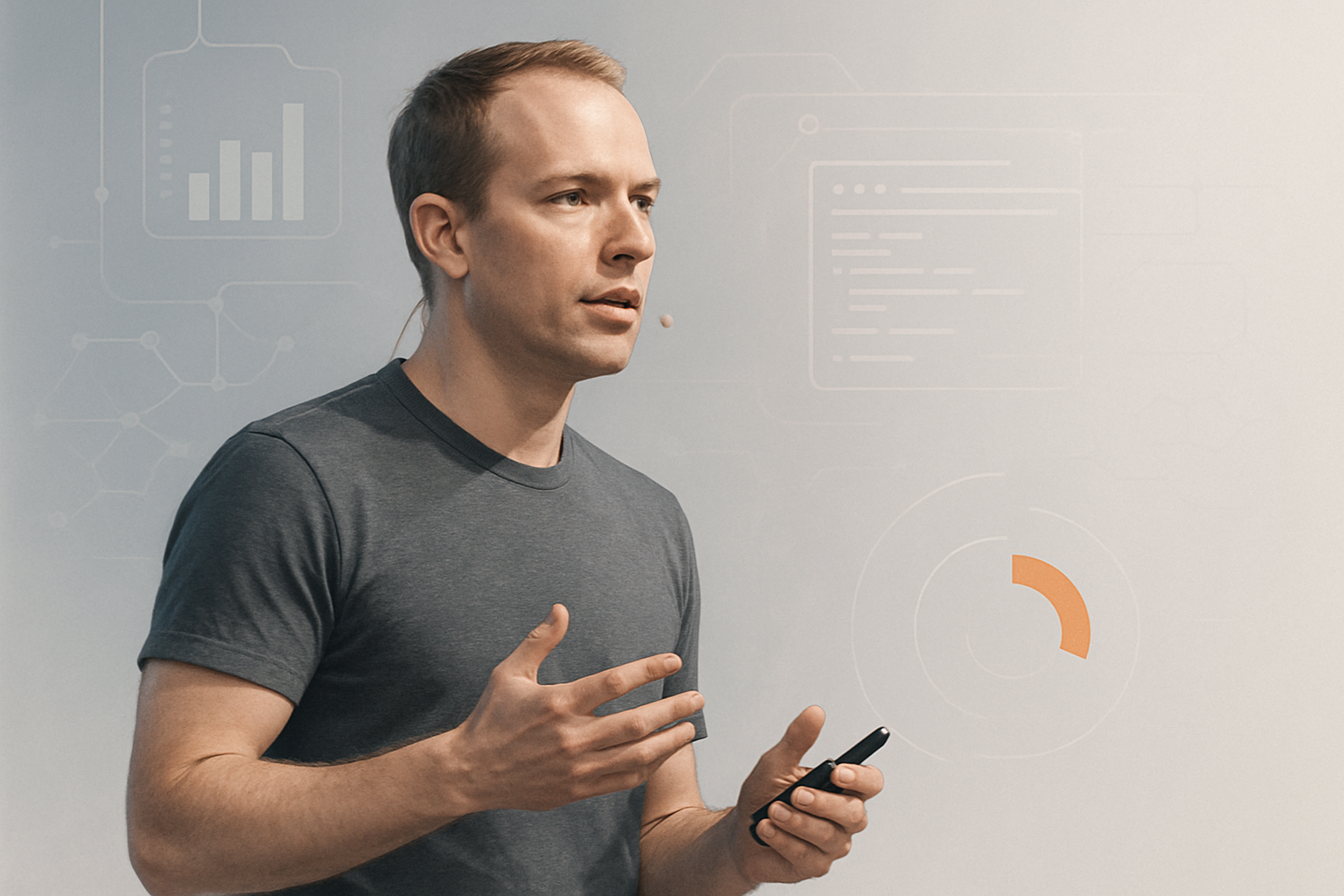
Brockman wants to take a different direction in the future. According to him, people should no longer have to learn how to use software, and ChatGPT should become an invisible layer to manage digital tasks. "You want almost no interface, you want no product," he says. The goal is to create a persistent, context-aware agent that acts autonomously, rather than an application filled with an ever-increasing number of features.
However, OpenAI's own products still contradict this vision. A tool like Codex is light-years away from an invisible interface. The AI models are not yet reliable enough, and bridging this gap requires intensive prompting work and custom integrations. Anthropic, OpenAI, and Microsoft have all created separate companies for this reason, sending teams into the field to help businesses integrate AI.
Brief IA — L'actualité IA en français
L'essentiel de l'actualité de l'intelligence artificielle, décrypté et expliqué chaque jour.