PAC pro-AI: $100M to Defend Data Centers
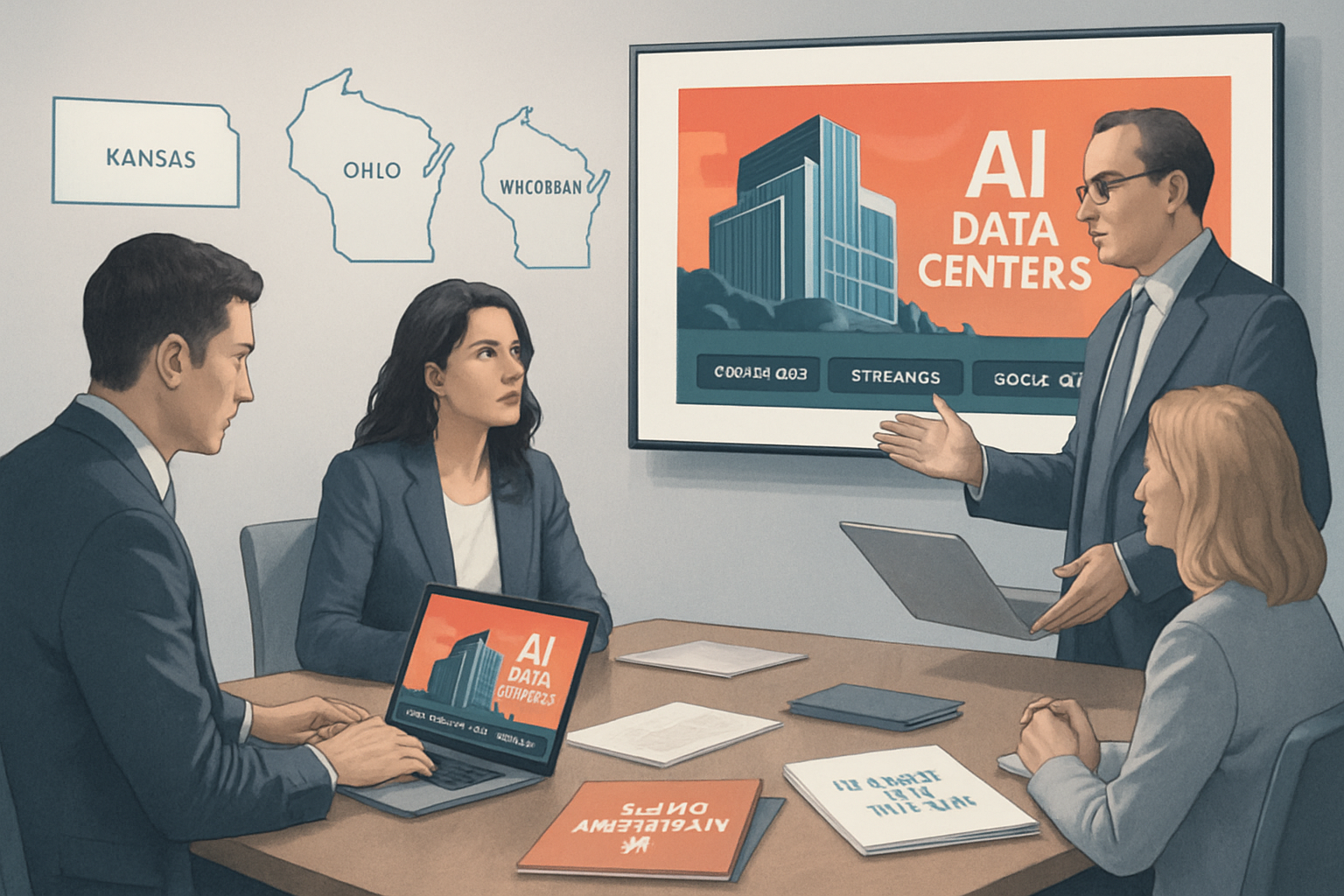
A Silicon Valley super-PAC is preparing an advertising offensive to promote AI data centers. The funders claim to have raised $100 million, but polls show a majority opposition, and marketing experts consider the task challenging.
Marketing Experts: Convincing on AI Will Require Local Responses
Marketing specialists believe that any communication in favor of data centers must first address concerns about energy and water, while also highlighting concrete benefits such as jobs and uses that enhance daily life. However, the promise of jobs raises skepticism, as most positions are construction-related and not sustainable. Other sensitive topics frequently arise: pressure on resources, pollution, and a lack of transparency surrounding projects.
Elie Barreby argues that pro-data center messages risk clashing with the lived experiences of local residents, including noise disturbances and rising bills. For Joe Szynkowski, a national campaign can only ease tensions by clearly linking benefits to local daily life, a task that tech companies have not succeeded in thus far. Ari Lightman adds that grassroots advocates will be necessary to address questions and maintain a consistent message, especially since information spreads quickly online when promises are unfulfilled or incentives vary by region. He expresses little optimism about these campaigns' ability to convince already skeptical audiences and doubts that data center builders have the necessary resources. According to him, polarization around AI further complicates persuasion, and local communities report not believing the arguments presented. Experts generally find the endeavor very difficult.
The Proposed Message: Growth and Jobs, Without Mentioning Big Tech
The strategy aims to present data centers not as nuisances but as vital economic arteries. Build American AI plans to disseminate its messages where projects are decided: local news sites, streaming platforms, and social media feeds, in order to reach residents and zoning decision-makers. At the end of July, the organization presented its materials to suppliers and political strategy firms.
Internal documents indicate a focus on economic growth and job creation. The communication would avoid naming companies like Amazon, Google, or Microsoft, a way to circumvent distrust towards Big Tech. Another approach is to present data centers as critical national infrastructure, akin to highways, water networks, or the electrical system.
Le brief IA que les pros lisent chaque soir
Les 7 actus IA du jour, décryptées en 5 min. Gratuit.
Inclus dès l'inscription : notre sélection des meilleurs guides & comparatifs IA.
Choisissez votre rythme
Gratuit · Pas de spam · Désabonnement en 1 clic
Who is Funding and How Much: Build American AI and Leading the Future
Build American AI is spearheading a multi-million dollar campaign to promote the construction of AI data centers. The organization is part of the super-PAC network Leading the Future, funded and organized by a coalition of Silicon Valley investors, tech leaders, and political operators. Marc Andreessen, Ben Horowitz, and Greg Brockman are among the main supporters.
According to documents, Build American AI initially raised $100 million from these supporters. Joe Lonsdale, Perplexity, and investor Ron Conway are also contributors. The effort is presented as a significant influx of money in favor of a pro-data center message.
The Current Advertising Landscape Remains Dominated by Anti-Data Center Sentiment
According to AdImpact, approximately 15,000 advertisements related to data centers have been recorded this year, representing a total expenditure of $7.6 million, mostly opposing the projects. John Link, who serves as Vice President of Data at AdImpact, notes that about 73% of this spending comes from Democratic candidates.
Most messages directly attack data centers or associate their opponents with their development, highlighting rising energy costs and environmental concerns.
Unfavorable Public Opinion and Structured Local Resistance
The Annenberg Public Policy Center reports that about 61% of adults oppose the construction of new data centers near their homes. This reluctance crosses party lines: 69% of Democrats, 54% of Republicans, and 53% of independents express opposition. On the ground, several cities have adopted bans or moratoriums on new projects.
Citizen initiatives are taking shape, notably through a national map of sites and projects launched by activist Erin Brockovich, used for information and organization. Hostility is explained by rising electricity and water bills, environmental and health concerns, and, more broadly, distrust towards AI. Critics point to the pressure on energy and water resources. A majority of Americans would now oppose it.
Electoral Targets and Strong Political Rhetoric
The campaign launch targets key states, starting with Kansas, Ohio, and Wisconsin, in anticipation of the November midterm elections. Meanwhile, political rhetoric is intensifying. Donald Trump has claimed that communities rejecting data centers will become "backward and poor." He has also compared this opposition to destroying the "golden goose."
Brief IA — L'actualité IA en français
L'essentiel de l'actualité de l'intelligence artificielle, décrypté et expliqué chaque jour.