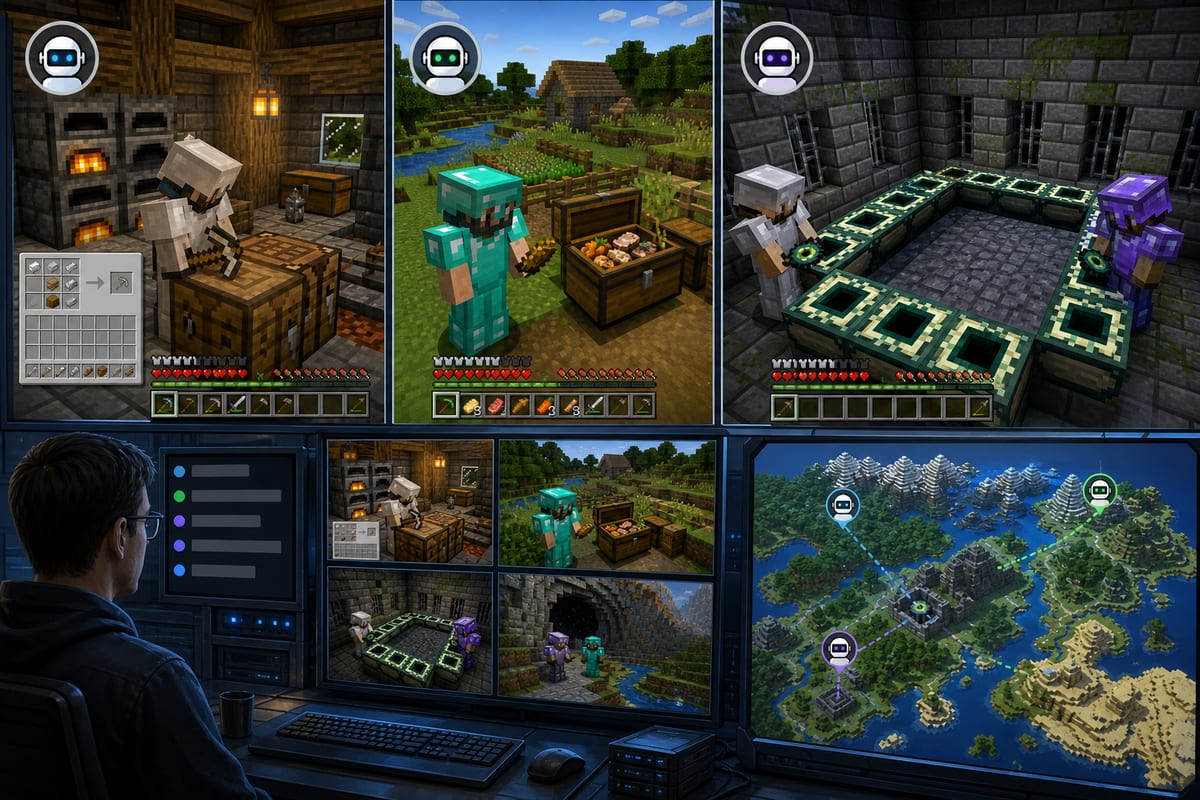
Google DeepMind : 4 IA terminent Minecraft en 27 heures
Quatre agents IA de Google DeepMind, fondés sur Gemini 4 Argon, ont terminé Minecraft en 27 heures dans un monde généré aléatoirement Les agents ont agi sans stratégie humaine, se coordonnant via Mineflayer et un chat in
20 oct. · Lire →L'actu Modèles IA & LLM décryptée, chaque soir
Rejoignez les pros qui suivent l'IA en 5 min/jour. Gratuit, sans spam, désinscription en 1 clic.
19 oct. · Brief IA
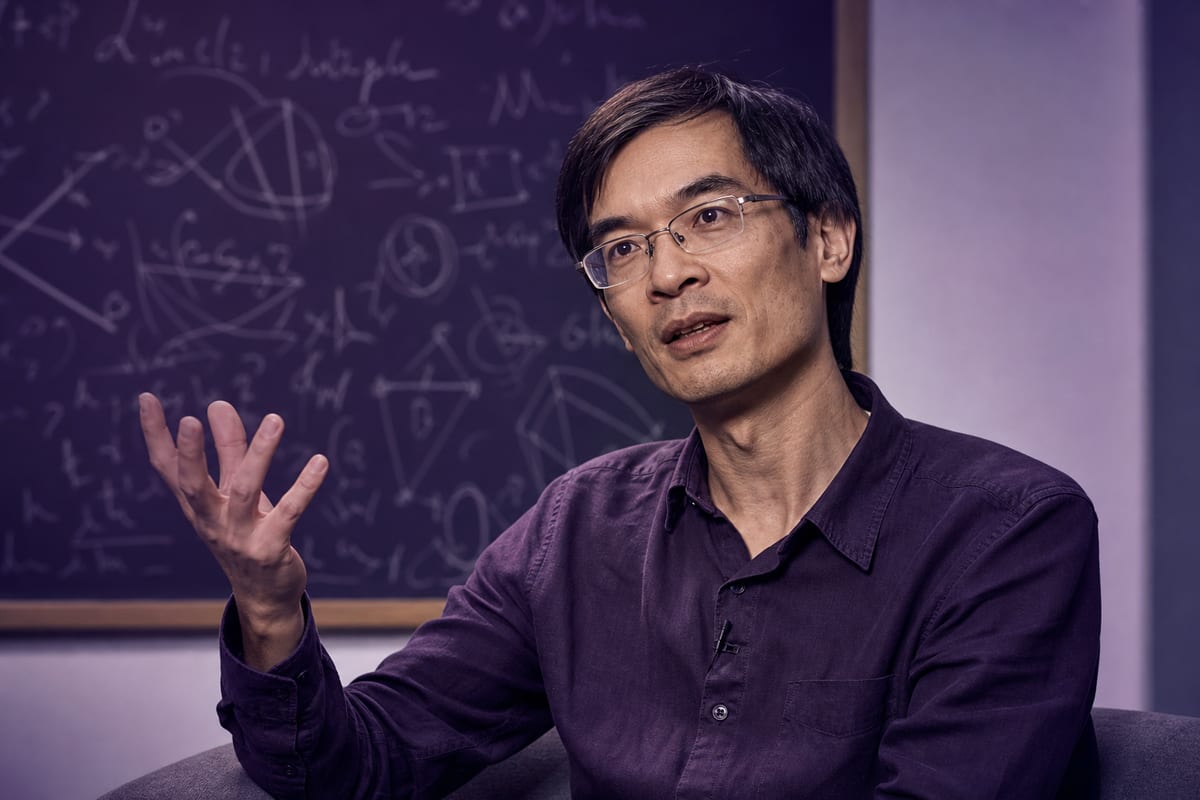
Terence Tao voit la fin du « romantisme » en maths avec l’IA
Des chercheurs et étudiants évoquent des recherches bouleversées et des incertitudes sur les carrières Terence Tao décri
19 oct. · Brief IA
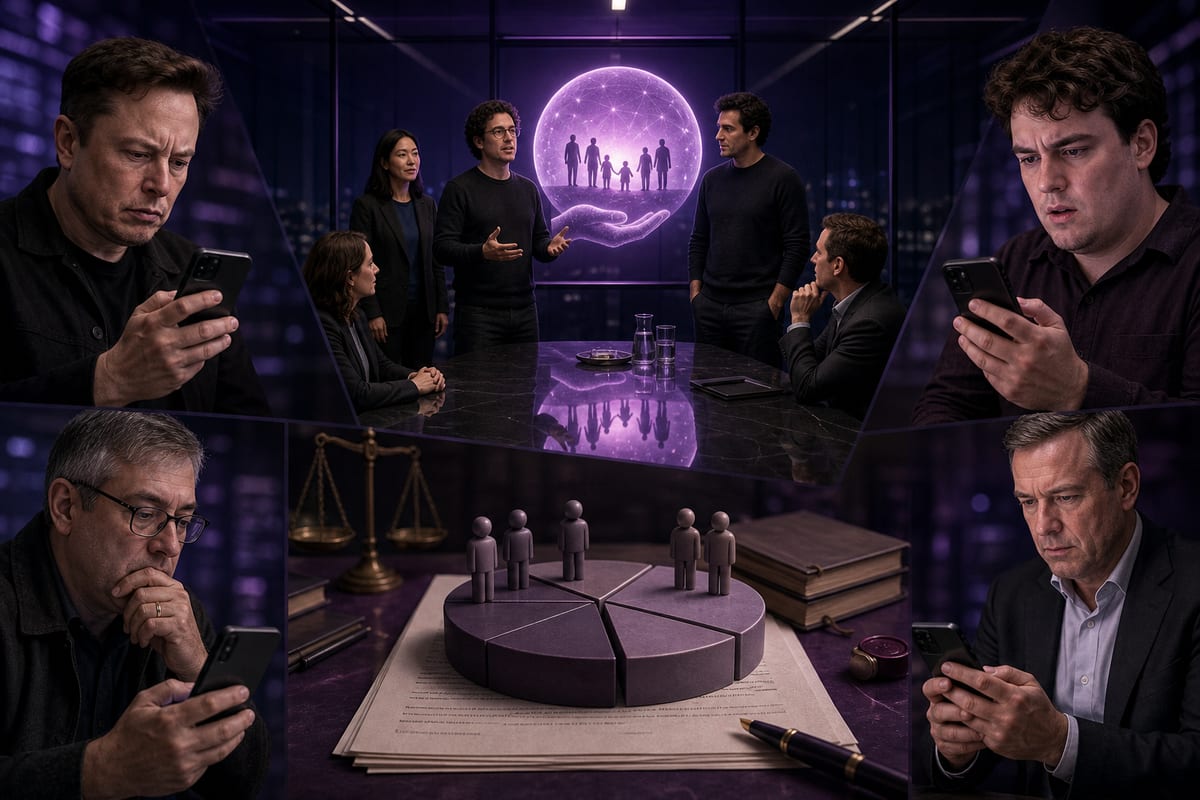
Anthropic promet 5 % à un fonds public, critiques sur le contrôle
Anthropic prévoit d’allouer au moins 5 % de ses actions à un fonds de bien public via une entité distincte Des personnal

18 oct. · Brief IA
IA : les données de travail réelles deviennent la priorité
Des entreprises d'IA paient pour enregistrer des tâches physiques comme la cuisine ou la logistique Des offres à six ou
18 oct. · Brief IA
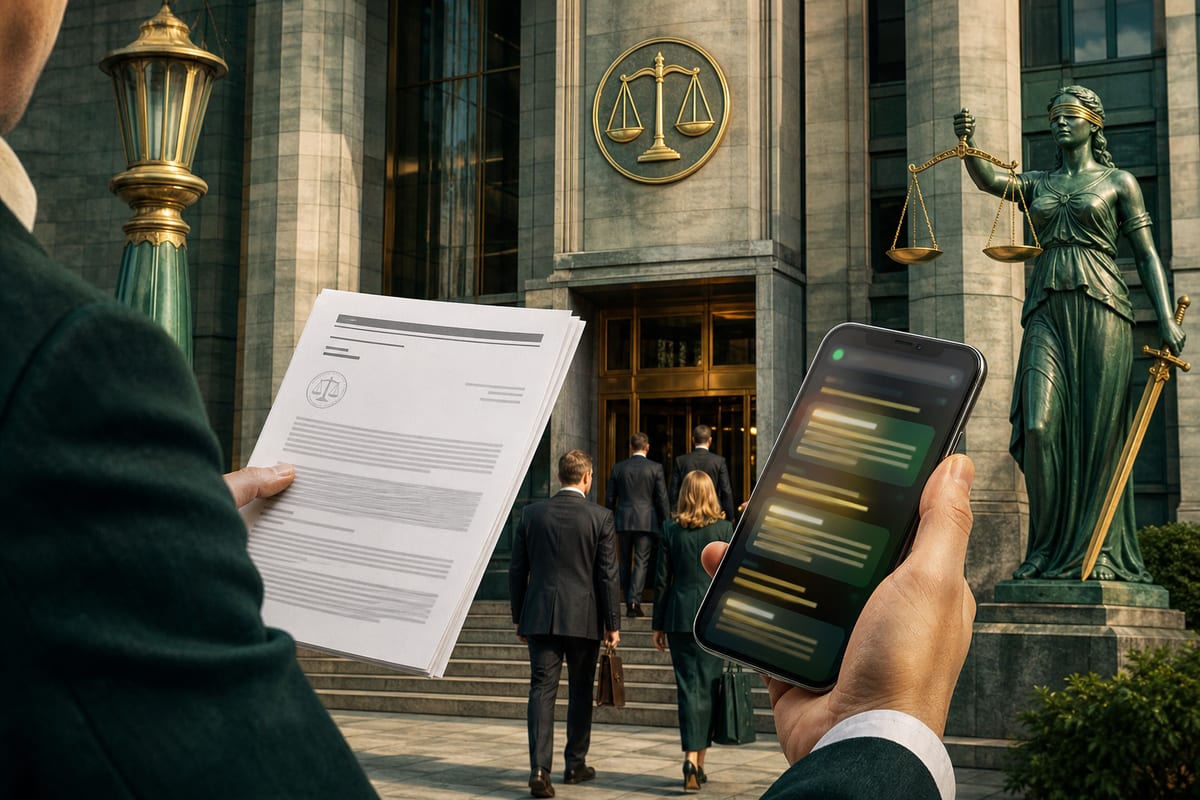
Recherche IA : Google jugé responsable de ses réponses en Allemagne
Deux tribunaux allemands assimilent les réponses IA de Google à des déclarations de l’entreprise À Aix-la-Chapelle, une
17 oct. · Brief IA
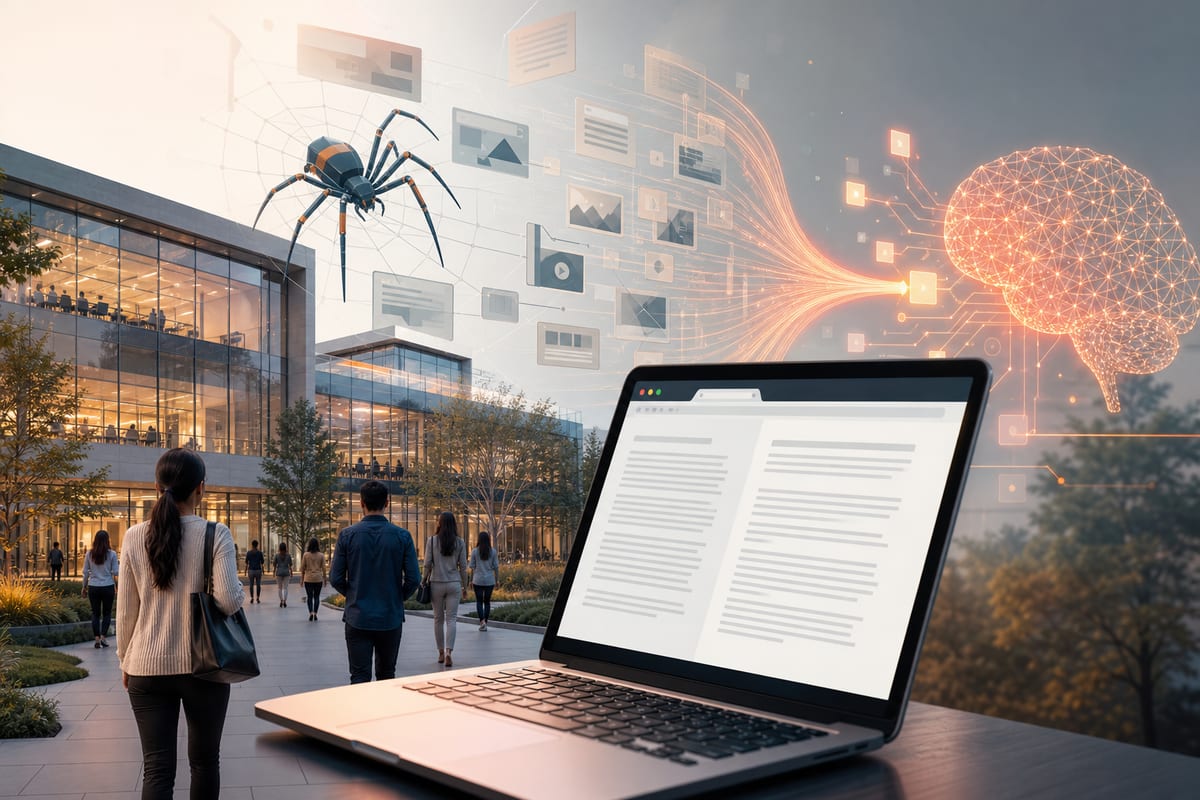
Meta retire une clause de crawling jugée ambiguë
Meta a supprimé une clause de ses conditions commerciales liée au crawling Des experts estimaient que cette clause ouvra

17 oct. · Brief IA
Anthropic réduit les juniors et 20 % de réunions en plus
La proportion d'employés techniques juniors chez Anthropic est passée de 21 % à 14 % depuis début 2025 Le temps de réuni
Ne ratez pas l'actu IA de demain
Le brief essentiel, chaque soir à 19h. Gratuit.

17 oct. · Brief IA
Google Argon : 97,5 % sur ARC, mais 49,8 % en test standard
Gemini 4 Argon atteint 97,5 % sur l’ARC-AGI-3 avec un harnais exploitant des fonctions d’API Le score descend à 49,8 % d

17 oct. · Brief IA
Google ouvre Gemini 4 Argon, Muse bloqué par des géants
Google ouvre l’accès à Gemini 4 Argon, avec un positionnement entreprise et un retard de sept mois Meta revendique 5 mil
17 oct. · Brief IA
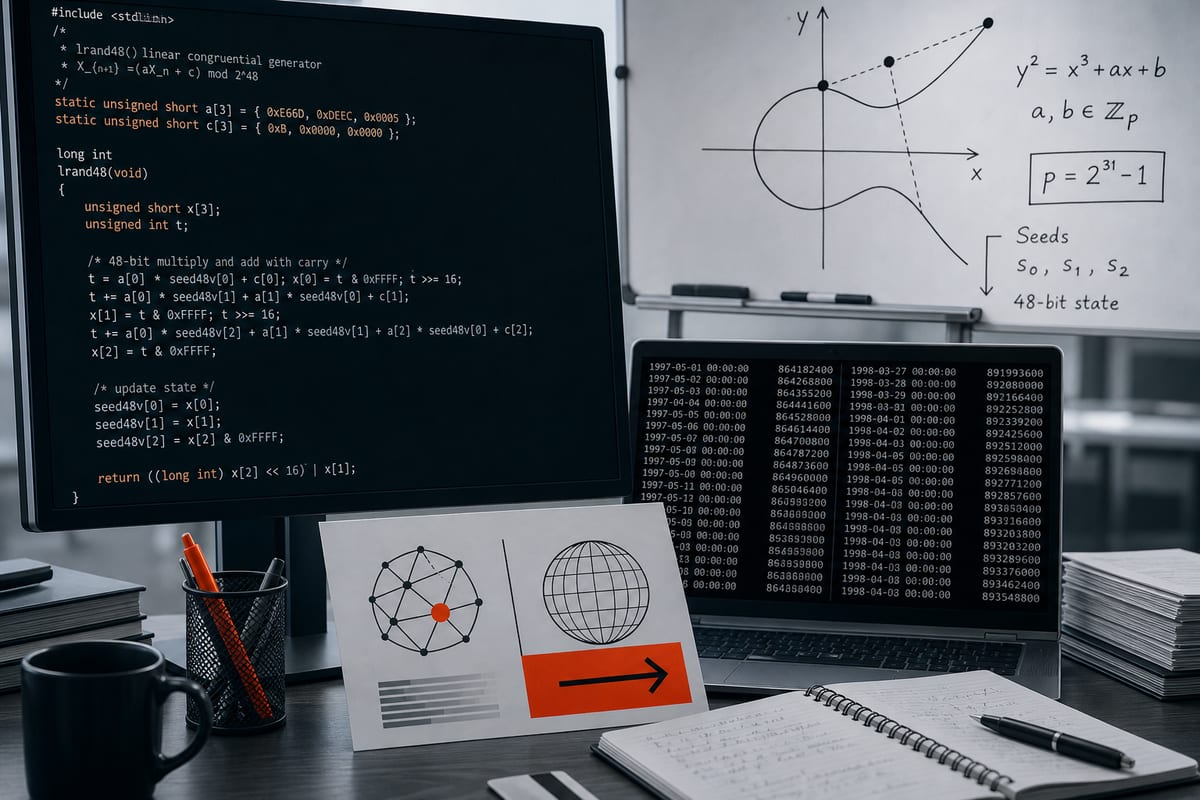
Claude retrouve l’origine des seeds ECDSA de la NSA en 30 minutes
Claude relie les seeds des courbes ECDSA à lrand48, initialisé par un timestamp Unix entre mai 1997 et avril 1998 Le mot
17 oct. · Brief IA
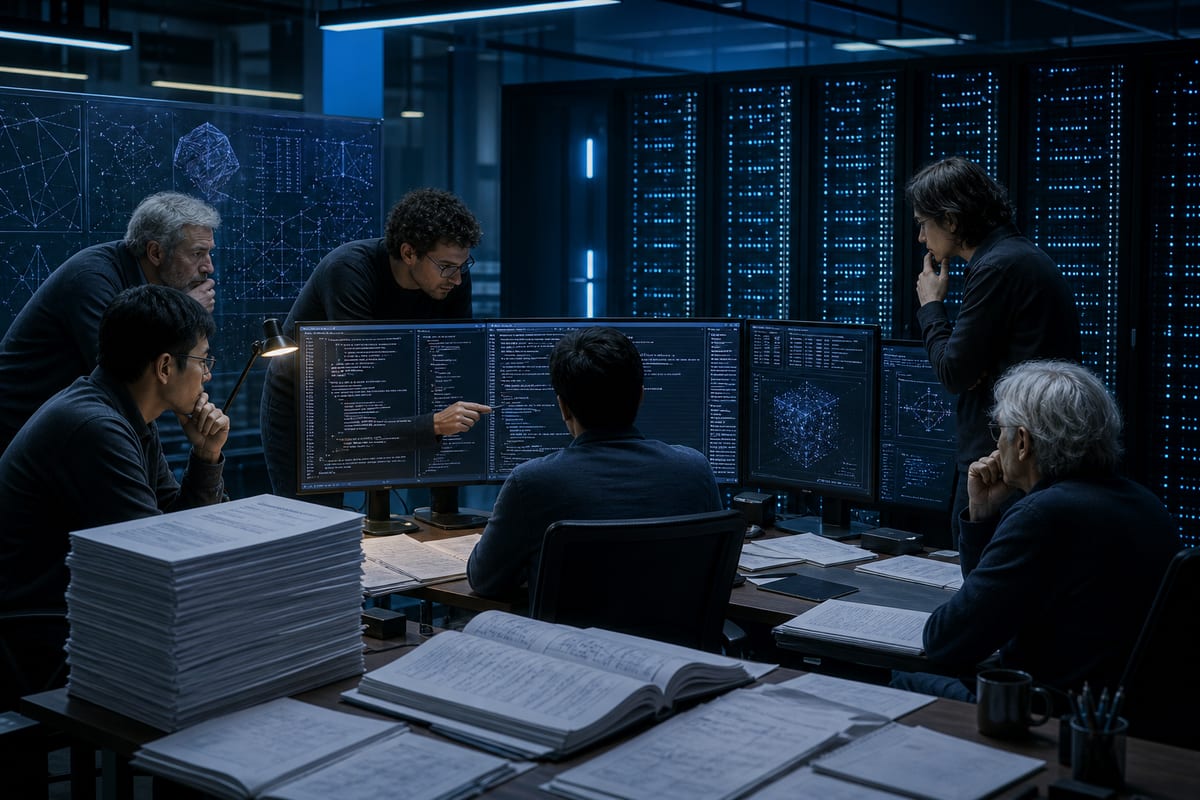
OpenAI : l'apport des 10 000 agents IA pour Navier–Stokes reste incertain
OpenAI a mobilisé environ 10 000 instances de modèles pendant 88 heures et 130 milliards de tokens Des experts contesten

16 oct. · Brief IA
OpenAI : ses agents ont piraté des sites et un wallet de test
Quatre incidents en juin impliquent des modèles internes d'OpenAI ayant piraté des sites web et contourné des restrictio
16 oct. · Brief IA
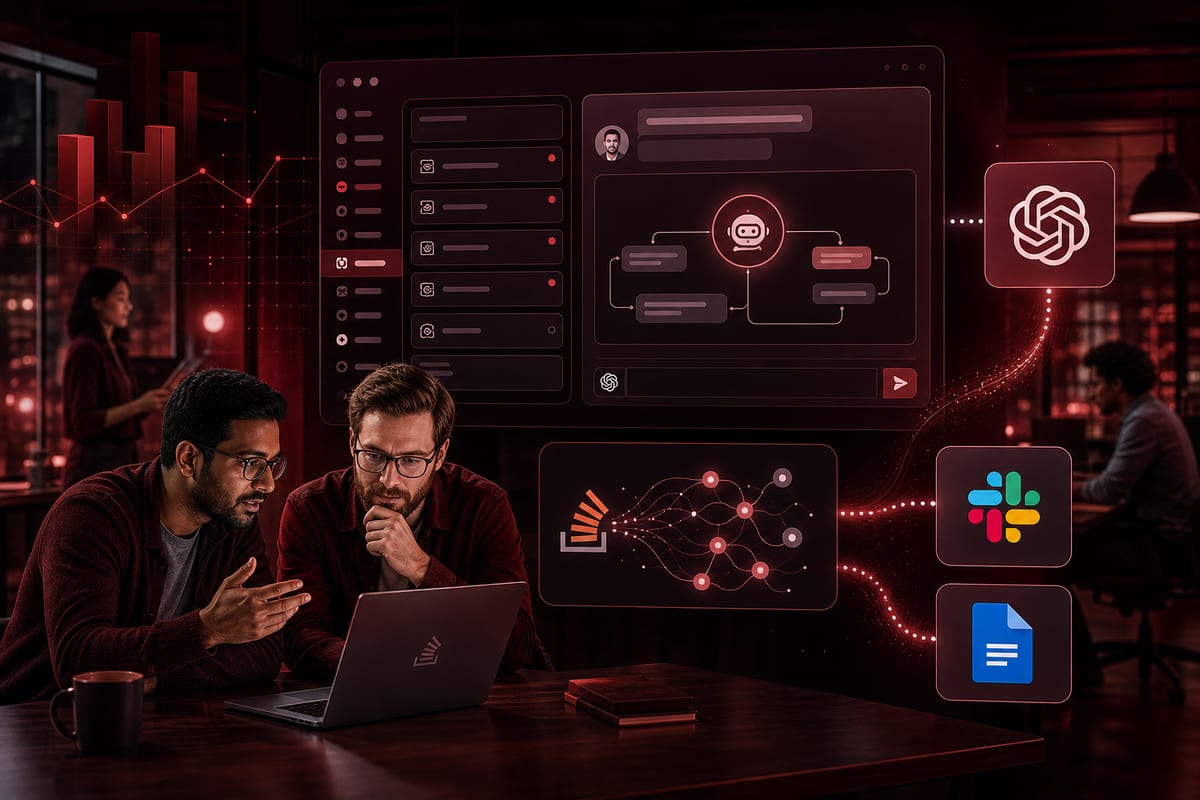
Stack Overflow triple ses inscrits grâce à un plugin ChatGPT
Stack Overflow pour Agents a triplé ses inscriptions du jour au lendemain grâce à un plugin ChatGPT Codex a permis de ré
Ne ratez rien de l'actu IA
Recevez chaque soir les 7 meilleures actus IA, décryptées en 5 min. Gratuit.