REI and Meta: Instagram Ads with Two Handlebars Criticized
Le brief IA que les pros lisent chaque soir
Les 7 actus IA du jour, décryptées en 5 min. Gratuit.
Inclus dès l'inscription : notre sélection des meilleurs guides & comparatifs IA.
Choisis ton rythme
Gratuit · Pas de spam · Désabonnement en 1 clic
REI and the Two-Handle Bike: A Controversial Advertisement
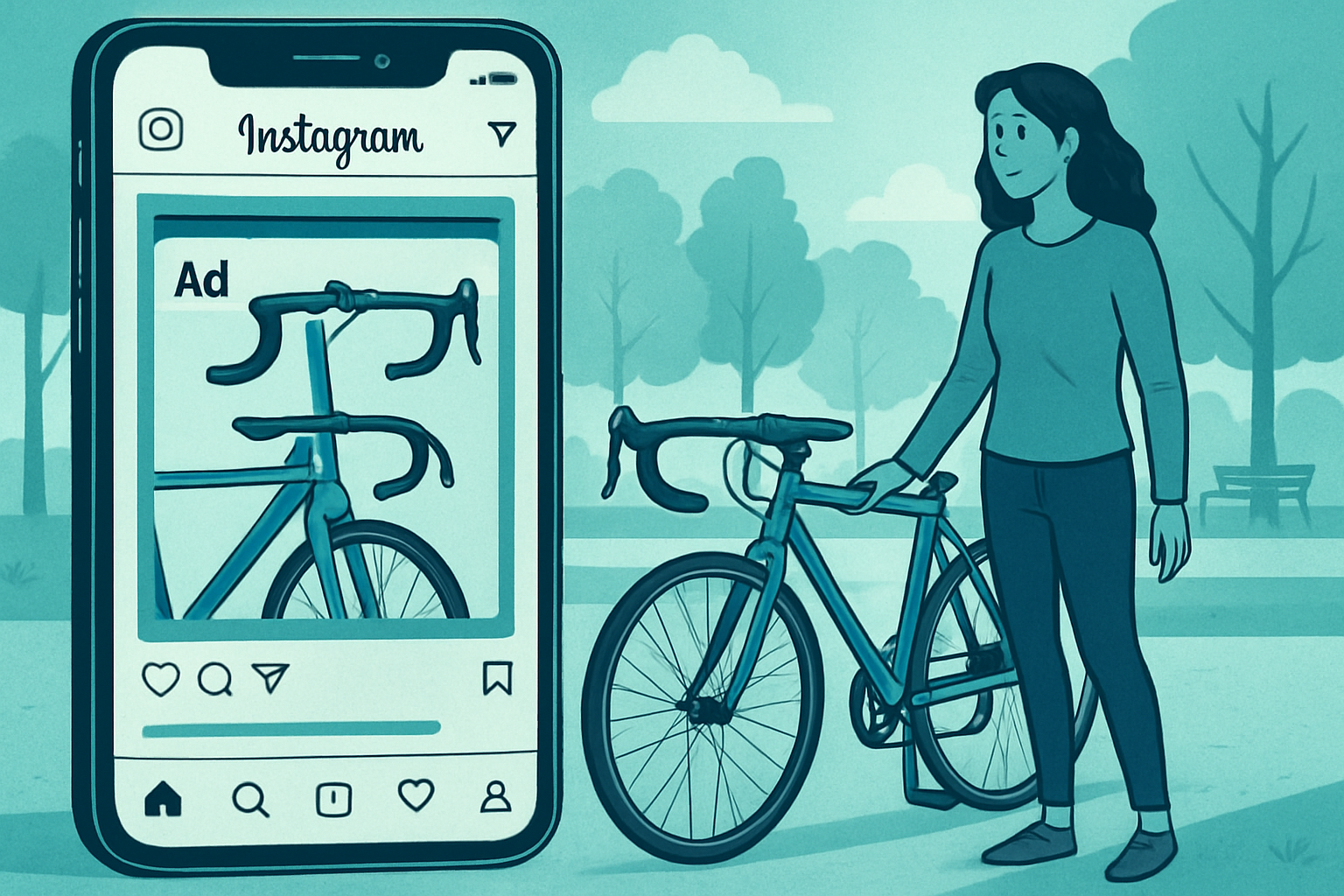
Outdoor retailer REI Co-op has found itself at the center of a controversy following the release of an advertisement on Instagram. This ad, which caught the attention of internet users, showcased a bike with a rather unusual feature: two sets of handlebars. This peculiarity sparked mixed reactions, ranging from mockery to sharp criticism.
The AI Tool from Meta Under Fire
According to REI, this controversial image is the result of an advertising tool powered by artificial intelligence developed by Meta, the parent company of Instagram. Meta stated that its AI creative tools are widely used by millions of advertisers around the world. However, in this particular case, the tool generated an image that was perceived as inappropriate by the public.
A Viral Reaction on Social Media
The advertisement quickly circulated on social media, particularly on Reddit, where a user posted a screenshot of the ad in question. The post, which criticized REI's clumsy use of AI, received hundreds of upvotes, highlighting the growing skepticism towards the automation of advertising content.
REI Responds and Clarifies
In light of the controversy, REI sought to clarify the situation. A spokesperson for the company explained that Meta had automatically enrolled them in an AI personalization tool. This tool inaccurately modified an image provided by a vendor, resulting in the creation of a bike with two handlebars. "While such a bike may seem interesting, it is not a product we offer," he clarified.
The Origin of the Image and Partner Reactions
The original image came from a photoshoot for the brand Van Rysel, featuring cyclist Amity Rockwell. Van Rysel North America confirmed that any modifications to the image were not made by them. This clarification underscores the importance of managing advertising images and partnerships between brands.
Meta and Advertiser Responsibility
Meta, for its part, has declined to comment directly on the incident. However, its terms of use for AI advertising tools state that results may be "inaccurate, incomplete, misleading, offensive, and/or inappropriate." Therefore, it is the responsibility of advertisers to verify generated content before its release.
Actions Taken by REI
Following this incident, REI decided to unsubscribe from Meta's AI tool. The company emphasized that this incident does not reflect its values or its approach to brand management. It also apologized for the confusion caused among its customers and partners.
A Recurring Issue with Meta's AI Tools
REI is not the only one to have encountered problems with Meta's AI tools. Other advertisers have also reported unexpected, even absurd, results generated by these tools. Default settings often include options like "test new creative features" and "automatic adjustments," which can lead to similar situations.
Meta's Position on AI Usage
A spokesperson for Meta had previously stated that advertisers using full image generation have the option to review images before their release. Despite the criticism, Meta claims that its AI tools have been beneficial for many advertisers, improving their advertising performance.
Brief IA — L'actualité IA en français
L'essentiel de l'actualité de l'intelligence artificielle, décrypté et expliqué chaque jour.