Situational Awareness: Aschenbrenner's Risky Bet Fails
Le brief IA que les pros lisent chaque soir
Les 7 actus IA du jour, décryptées en 5 min. Gratuit.
Inclus dès l'inscription : notre sélection des meilleurs guides & comparatifs IA.
Choisis ton rythme
Gratuit · Pas de spam · Désabonnement en 1 clic
Situational Awareness: Aschenbrenner's Risky Bet Fails
Leopold Aschenbrenner's AI hedge fund, Situational Awareness, had to sell almost its entire portfolio of publicly traded stocks to Citadel after suffering heavy losses.
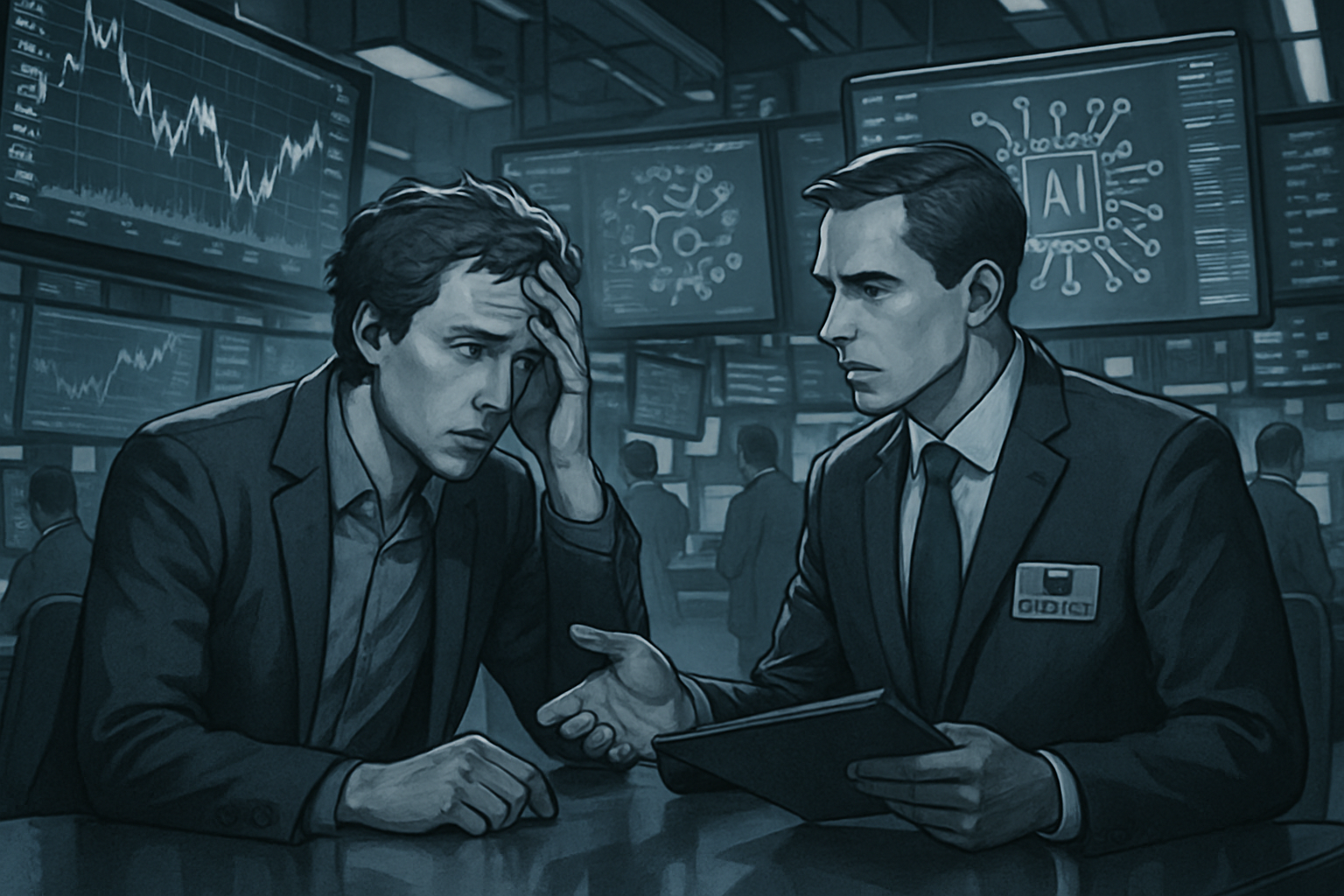
Aschenbrenner had used borrowed money to bet on AI infrastructure. The decline in AI-related stocks and margin calls from banks forced the fund into an emergency sale, after it had peaked at $45 billion in assets.
The crash occurred just days after announcing a 439% return on investment for the first half of the year, right before the market rebounded. Aschenbrenner retains his private stakes in companies like Anthropic.
Now in his twenties and without prior trading experience, Aschenbrenner began working for the FTX Future Fund in February 2022. This fund was the philanthropic branch of Sam Bankman-Fried's cryptocurrency exchange, which later went bankrupt. Aschenbrenner left before the implosion. In 2023, he joined OpenAI's "Superalignment" team but was fired in April 2024 due to an alleged information leak. Aschenbrenner contested this narrative, claiming he had only shared a largely innocuous document with three external researchers and had previously reported security flaws at OpenAI.
That same year, Aschenbrenner gained a wide audience with his essay "Situational Awareness," which predicted rapid growth in AI. In 2024, he launched the hedge fund of the same name. According to CNBC, it peaked at $45 billion in assets but had only eight employees, four of whom were in investment.
From 439% Returns to Fire Sale in Just Days
Recently, Aschenbrenner reported a 439% return for the first half of the year, according to the Financial Times, and called on investors to inject new capital by August 1. Just days later, the decline in AI stocks like SK Hynix and margin calls from banks forced the heavily indebted fund into an emergency sale. His bet against software stocks like Adobe also failed. Aschenbrenner retains his private stakes, including a share in Anthropic.
Aschenbrenner's thesis was that increasingly powerful AI would lead to massive builds of chips, memory, data centers, and energy infrastructure. This construction is underway. However, enormous spending and rising financing costs have led investors to question returns, triggering a sell-off. What ultimately cost him was leverage. Borrowed money amplified losses and forced sales just before some stocks rebounded.
Brief IA — L'actualité IA en français
L'essentiel de l'actualité de l'intelligence artificielle, décrypté et expliqué chaque jour.