Trump Plans Strict Sanctions on Chinese AI
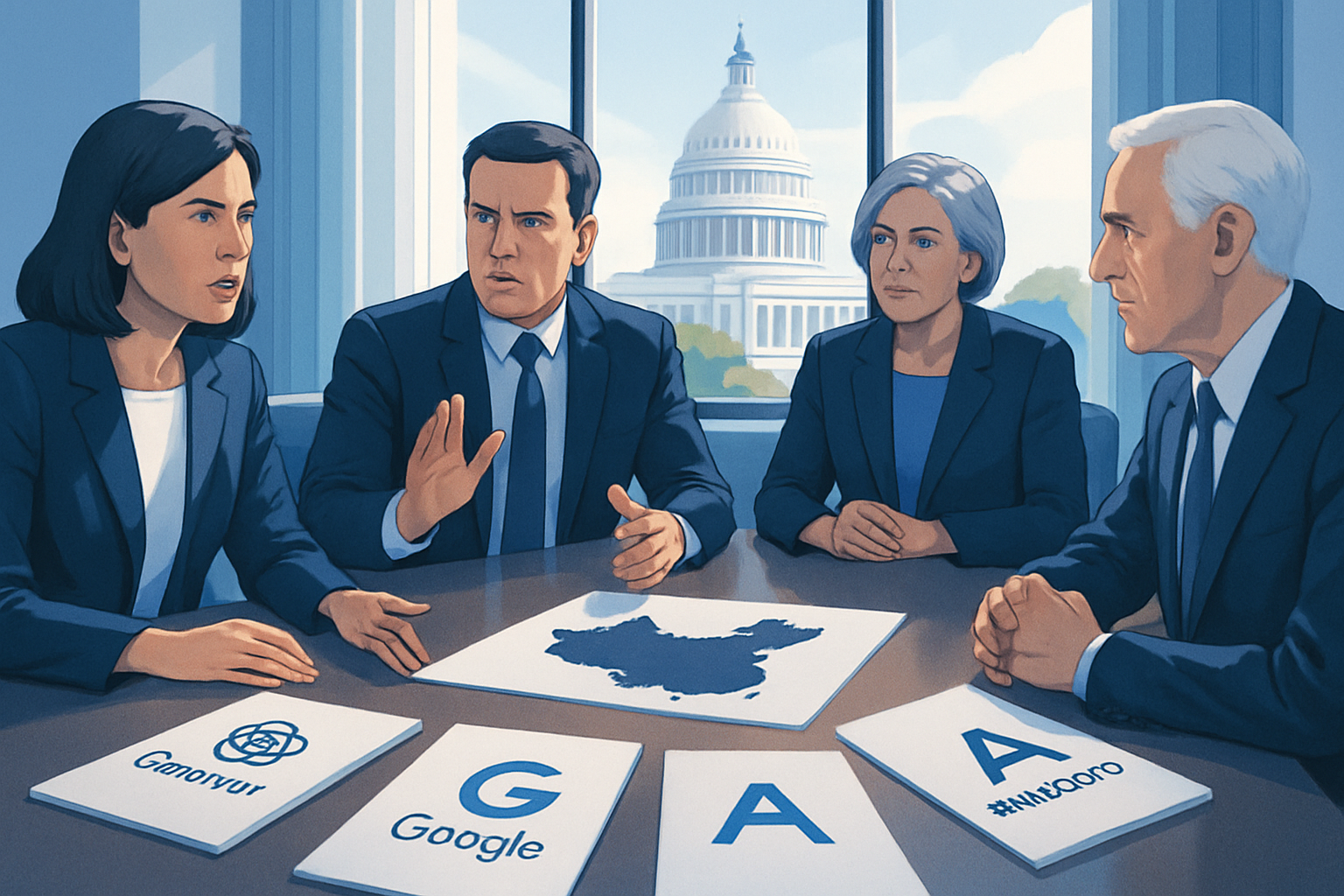
Trump Prepares Strict Framework for Chinese AI through Sanctions
The Trump administration is considering measures against Chinese AI models that could amount to a full ban. According to Axios, the Department of Commerce, the NSA, and the White House have explored several options since 2025. These include:
- Placing Chinese AI labs on a sanctions list
- Issuing security warnings
- Using an executive order to impose security and accountability requirements on American companies hosting Chinese models
The Department of Commerce reportedly drafted rules as early as the summer of 2025 to protect domestic supply chains from Chinese open-source models. Advisors who preferred a lighter regulatory approach initially blocked these efforts. However, the release of the Kimi K3 model from China and personnel changes at the White House have allowed proponents of stricter restrictions to regain influence.
A direct ban may not even be necessary. A government source told Axios that "what's actually happening is slower and more sustainable," referring to supply chain rules, threats of sanctions, and public pressure campaigns against American companies using Chinese models.
Predictions on "FUD" Regulation
Rather than completely banning Chinese models, the administration may focus on potential backdoors and security vulnerabilities, another source added. This closely aligns with the "FUD" strategy, short for "fear, uncertainty, and doubt," that OpenAI strategist Dean W. Ball recently predicted. Soft guidelines and public warnings could deter companies without imposing binding rules.
Le brief IA que les pros lisent chaque soir
Les 7 actus IA du jour, décryptées en 5 min. Gratuit.
Inclus dès l'inscription : notre sélection des meilleurs guides & comparatifs IA.
Choisissez votre rythme
Gratuit · Pas de spam · Désabonnement en 1 clic
Ball wrote: "You create just enough regulatory risk for every regulated company to pull back. You probably don't want to create so much regulatory risk that you scare hyperscalers away from serving Chinese models; that would just push startups toward less reliable providers. There’s a middle ground here."
Business and Economic Interests
Business and economic interests may also drive this push. American companies are increasingly using Chinese open-source models because they are cheaper and nearly as effective. Restrictions would protect the market dominance of Google, OpenAI, and Anthropic. The AI sector also contributes significantly to the gains in the U.S. stock market under Trump. If Chinese models threatened the business of major American providers, the repercussions could hit the markets hard.
Open-source models pose real cybersecurity risks. However, a U.S. ban would not eliminate these threats and would do little to mitigate them. Open-source models can also support cyber defense, and Hugging Face claims they can outperform commercial models in this task. Restricting access could create its own risks.
Brief IA — L'actualité IA en français
L'essentiel de l'actualité de l'intelligence artificielle, décrypté et expliqué chaque jour.