Google and Gemini: The Future of Smart Glasses
Le brief IA que les pros lisent chaque soir
Les 7 actus IA du jour, décryptées en 5 min. Gratuit.
Inclus dès l'inscription : notre sélection des meilleurs guides & comparatifs IA.
Choisis ton rythme
Gratuit · Pas de spam · Désabonnement en 1 clic
The Rise of AI in Fitness: Google and Gemini Leading the Way
Artificial intelligence is increasingly making its way into our health and fitness routines, and Google seems determined to capitalize on it. While testing the new Fitbit Air tracker, I discovered a preliminary version of Google Health, enhanced by Gemini's AI. This lightweight, screenless device offers an integrated coach that could be the perfect complement to the smart glasses Google plans to launch soon. These glasses, developed in partnership with optical experts, are expected to be unveiled at the upcoming Google I/O conference.
AI is infiltrating our daily lives, transforming the way we interact with our personal data. In the health sector, it enables the processing of vast amounts of data in real-time, providing insights that can be both useful and intrusive. This ability to absorb and synthesize personal information is at the heart of the strategies of tech giants.
The Integration of Gemini into Glasses: A Vision for the Future
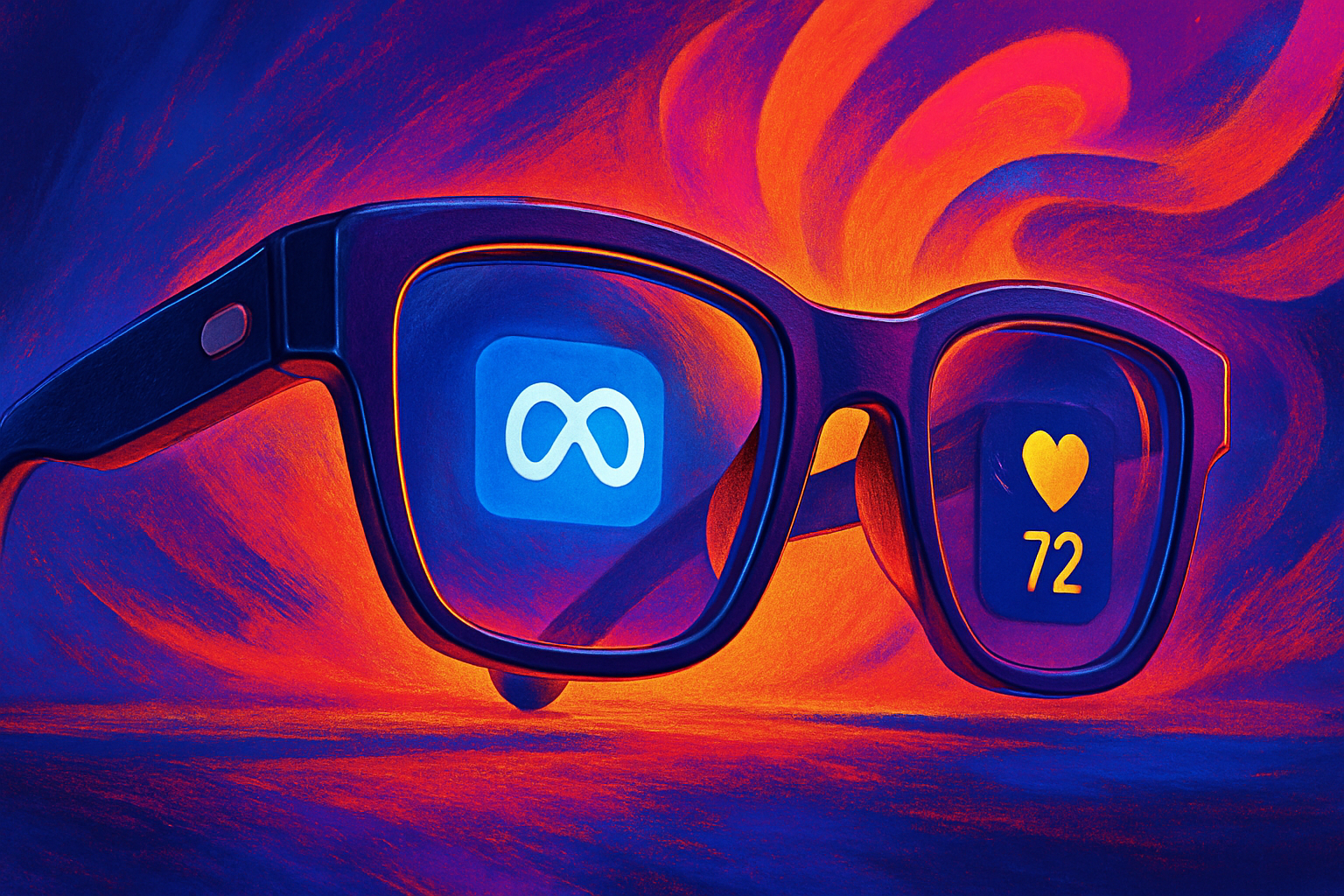
Imagining checking my fitness statistics directly on Google's future glasses, rather than on a smartphone, seems entirely plausible. Gemini's AI, capable of summarizing my health and fitness progress and interacting in real-time via the Google Health app, could turn these glasses into a true personal coach. This is the direction Google appears to want to take.
Meta and Oakley: A Different Approach
Take Meta, for example, which has already taken a step into the fitness market with its Oakley Vanguard glasses, launched last fall. These glasses are designed for active sports enthusiasts and integrate fitness data from Garmin through a partnership. However, the integration of AI remains limited, and the display of fitness statistics on the glasses is not as frequent as one might hope.
Google, with its Gemini AI, may have a significant advantage. By integrating Fitbit into Google Health and offering a subscription-based health coach, Google could provide a unique fitness experience. Although the Fitbit brand is likely to fade in favor of Google Health, its legacy in the wearable space since 2009 could give Google's new smart glasses a unique edge.
The Future of Wearables: Gemini as a Catalyst
My initial interactions with Google Health's Gemini coach were somewhat confusing. I didn't always know how to ask questions or utilize it effectively. However, the ability to access detailed summaries of my health data, such as sleep or rest trends, is undeniably valuable. Being able to access this information on the go or set goals during my workouts could transform my fitness routine.
All the pieces are in place for Google to connect these features to its future smart glasses. This is what I eagerly anticipate from the Google I/O conference or shortly thereafter.
Google vs. Meta: A Significant Challenge
Meta already has a significant presence in the smart glasses market, but Google could change the game. With partners like Warby Parker and Gentle Monster, and bolstered by its success in fitness through Fitbit, which it has owned for five years, Google could attract sports enthusiasts. The compatibility of the glasses with Fitbit could be a strong selling point to draw in athletes.
However, the challenge remains substantial. Google's acquisition of Fitbit and the discontinuation of the Fitbit app could disappoint loyal users. Google will need to find a way to revive the Fitbit experience, whether through its glasses, Gemini, or other innovations. Will it be able to capitalize on the fitness experience it already possesses?
We will find out soon. Google's glasses seem ready to integrate all the Gemini features available on our smartphones, including those related to health. This could give them a decisive advantage, prompting Meta to react quickly to avoid being left behind.
Brief IA — L'actualité IA en français
L'essentiel de l'actualité de l'intelligence artificielle, décrypté et expliqué chaque jour.