After an AI failure, rehiring could be more expensive
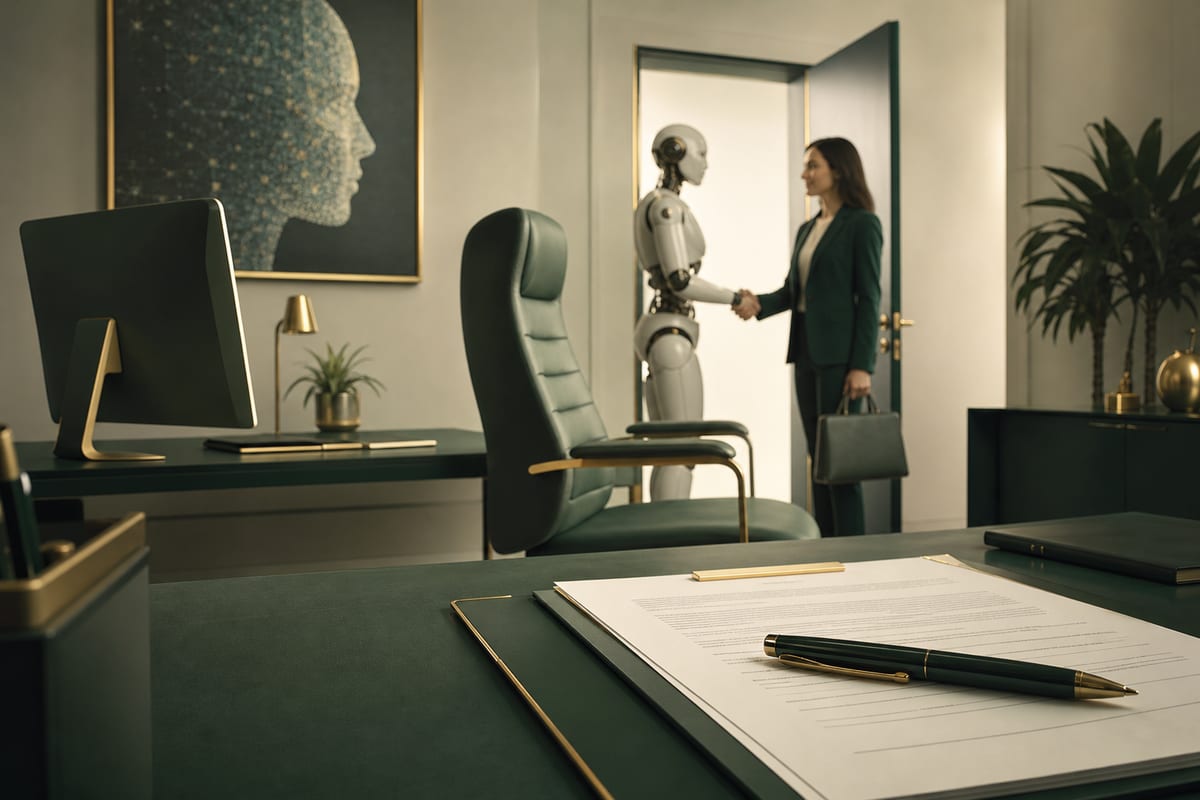
According to JobAssist, recalling employees after a failed replacement by AI could lead to increased salary and contractual demands. An improvement in the proposed conditions may not necessarily restore their trust.
71% of Workers Would Demand a Higher Salary
JobAssist reports that 71% of surveyed workers would seek higher compensation if they returned to their former employer after an unsuccessful AI replacement. Additionally, 64% state that they would negotiate their return more assertively.
Job security has become a priority for 54% of respondents, who would now place it above titles or benefits. JobAssist interprets this trend as a sign of concern regarding potential job cuts in the future. Furthermore, 44% of respondents claim they would trust their employer less after being replaced by AI.
Le brief IA que les pros lisent chaque soir
Les 7 actus IA du jour, décryptées en 5 min. Gratuit.
Inclus dès l'inscription : notre sélection des meilleurs guides & comparatifs IA.
Choisissez votre rythme
Gratuit · Pas de spam · Désabonnement en 1 clic
JobAssist Warns of the Cost of Cancelled Automation
JobAssist emphasizes that companies that rehire employees after a failed AI replacement may need to offer them higher salaries, better benefits, improved contracts, and enhanced job security. These demands would add to the costs already incurred for layoffs and investment in artificial intelligence.
Consequences for employer reputation and employee loyalty are also highlighted. Even after improving return conditions, companies may struggle to regain their employees' trust. Nearly one-third of workers (29%) would accept returning to their position but would immediately begin searching for another job. Therefore, JobAssist recommends incorporating the risk of a setback into the financial assessment of automation.
Brief IA — L'actualité IA en français
L'essentiel de l'actualité de l'intelligence artificielle, décrypté et expliqué chaque jour.