Code and UX Agents: Control and Tools Against Code Costs
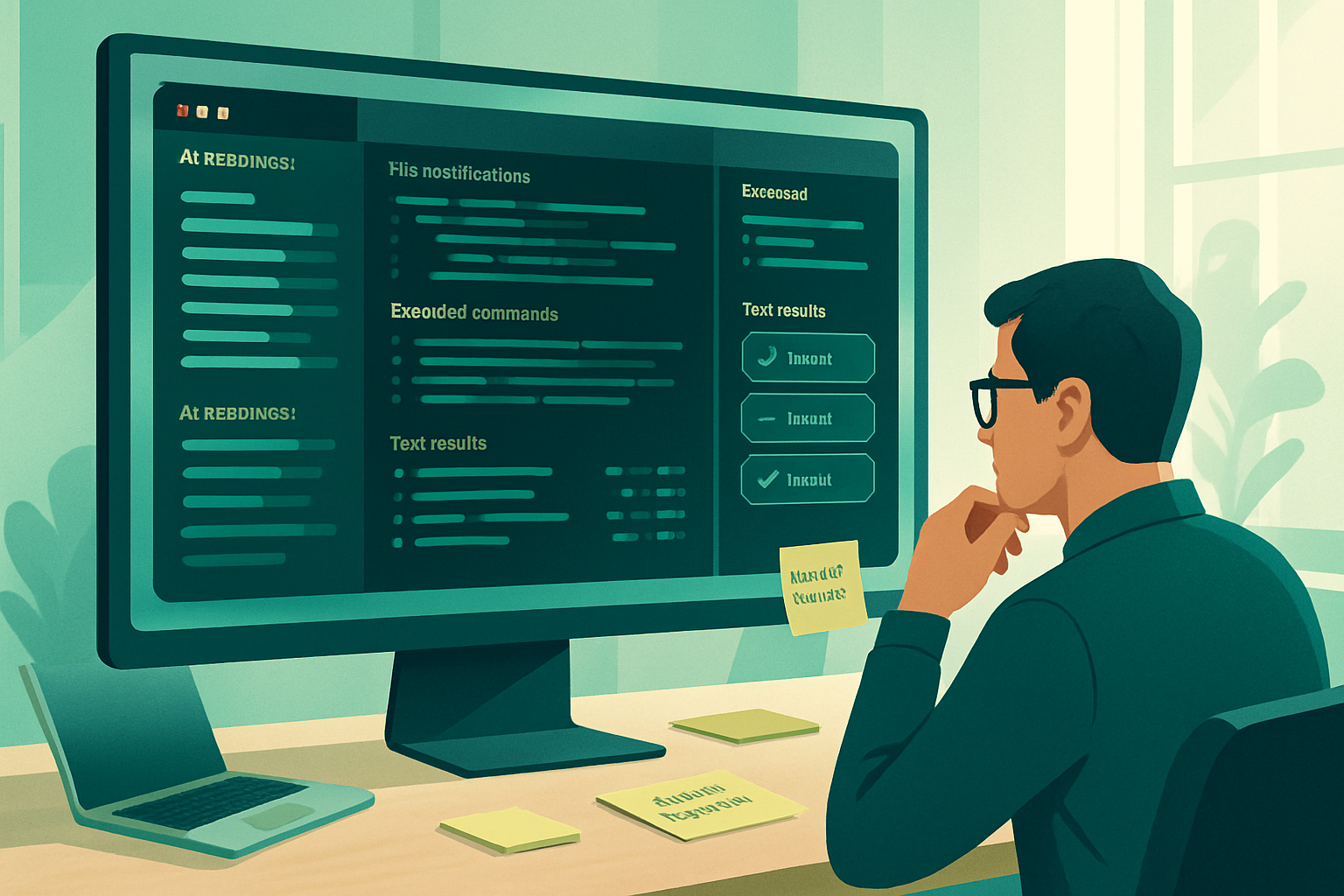
Voices from design describe a shift towards interfaces that act on their own. With the decreasing cost of writing code and the emergence of tools to gauge the role of AI in design systems, the discipline is reexamining its priorities. Calls for agentic standards and resources focused on the role of prompts mark this moment.
Cost of Code and Value Threshold Against Models
The question of value versus replacement has become central. In the 2010s, an engineer whose skills were limited to those of a replacement could remain employed because the cost of writing code was high. Today, that cost has dropped to one hundred dollars per month, prompting comparisons between human contributions and those of models like GPT-5.6-Sol or Claude Opus 5. It raises the question of why one would pay two or three orders of magnitude more than a model for a similar task. Furthermore, Lucas Camara believes that by 2027, UX may be less focused on the interface and more on behavior.
Acting Interfaces: Control and Readability in Question
AI coding agents allow users to describe an expected outcome and then let the agent decide which commands to execute, which files to modify, and which tests to conduct. The user no longer needs to intervene step by step. This functionality raises design questions: what the system understands, what it does, what it has changed, and what can be stopped or reviewed. The interface is no longer just a tool; it can act, which makes the distribution of control between the user and the system more uncertain.
Le brief IA que les pros lisent chaque soir
Les 7 actus IA du jour, décryptées en 5 min. Gratuit.
Inclus dès l'inscription : notre sélection des meilleurs guides & comparatifs IA.
Choisissez votre rythme
Gratuit · Pas de spam · Désabonnement en 1 clic
Measuring AI Readiness in Design Systems
An assessment tool has been developed to measure AI readiness in a design system. It has been tested on four real systems and published to provide quantitative data to a discussion that all design system teams are currently having.
Product Practice and Debates: Standards, Prompts, and Responsibilities
Product strategy is reflected in the choices made at each fork in the road; poor choices waste work, overcommit resources, close off future possibilities, and impose costs on team members. Highlighted content includes a call for an agentic standard, the idea that AI has taken away engineers' right to say no, and the question of a "synthetic self" that would belong to third parties. Other resources address teaching a model that the prompt is the product, or the possibility of making kyōwa possible with AI. UX Collective, an independent publication, highlights underrepresented voices and encourages critical reflection on design.
Brief IA — L'actualité IA en français
L'essentiel de l'actualité de l'intelligence artificielle, décrypté et expliqué chaque jour.