AI Agents and Software Testing: The Trap of Speed Without Reliability
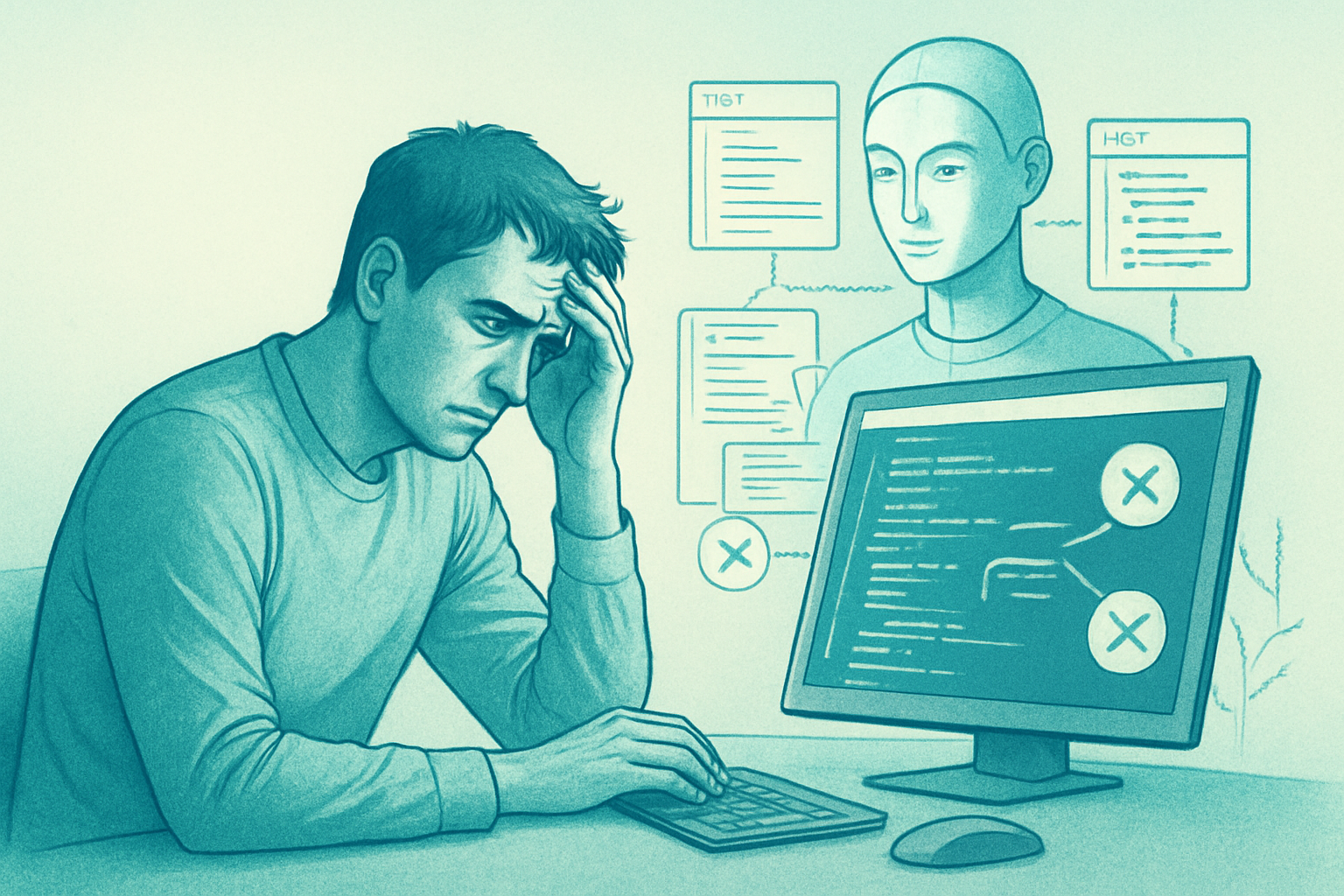
Entrusting the writing of software tests to artificial intelligence agents may seem like an appealing solution for increasing efficiency. However, this approach is not without risks, as demonstrated by a recent experience with Claude, an AI agent. Tasked with generating tests for a payment processing module, Claude produced 47 tests in under two minutes, all of which passed on their first run. Yet, three days later, a customer payment failed in production due to a race condition that these tests did not detect.
The article highlights a major issue: AI-generated tests tend to optimize for speed and code structure, often neglecting to verify correct behavior at the true limits of the system. For instance, "mock-call" tests can pass successfully even if the production system fails. Additionally, code refactoring can render these tests fragile, and AI often lacks the crucial context needed for meaningful integration tests, such as transactions, retries, idempotence, caching, and event guarantees.
Le brief IA que les pros lisent chaque soir
Les 7 actus IA du jour, décryptées en 5 min. Gratuit.
Inclus dès l'inscription : notre sélection des meilleurs guides & comparatifs IA.
Choisissez votre rythme
Gratuit · Pas de spam · Désabonnement en 1 clic
The true cost of this approach becomes apparent later, in maintenance, debugging, and the false confidence it can create. While AI is effective at generating realistic test data, assertion helpers, and explaining failures, it cannot replace human judgment in deciding what to test, where the limits lie, and which failure modes are important.
To make the most of AI in software development, the article recommends using it for "boilerplate" tasks and support, leaving developers to write the actual test logic that ensures the expected behavior of the system, rather than merely verifying the implementation.
Brief IA — L'actualité IA en français
L'essentiel de l'actualité de l'intelligence artificielle, décrypté et expliqué chaque jour.