AI Agents: Apollo's Chief Economist Warns About Bank Deposits
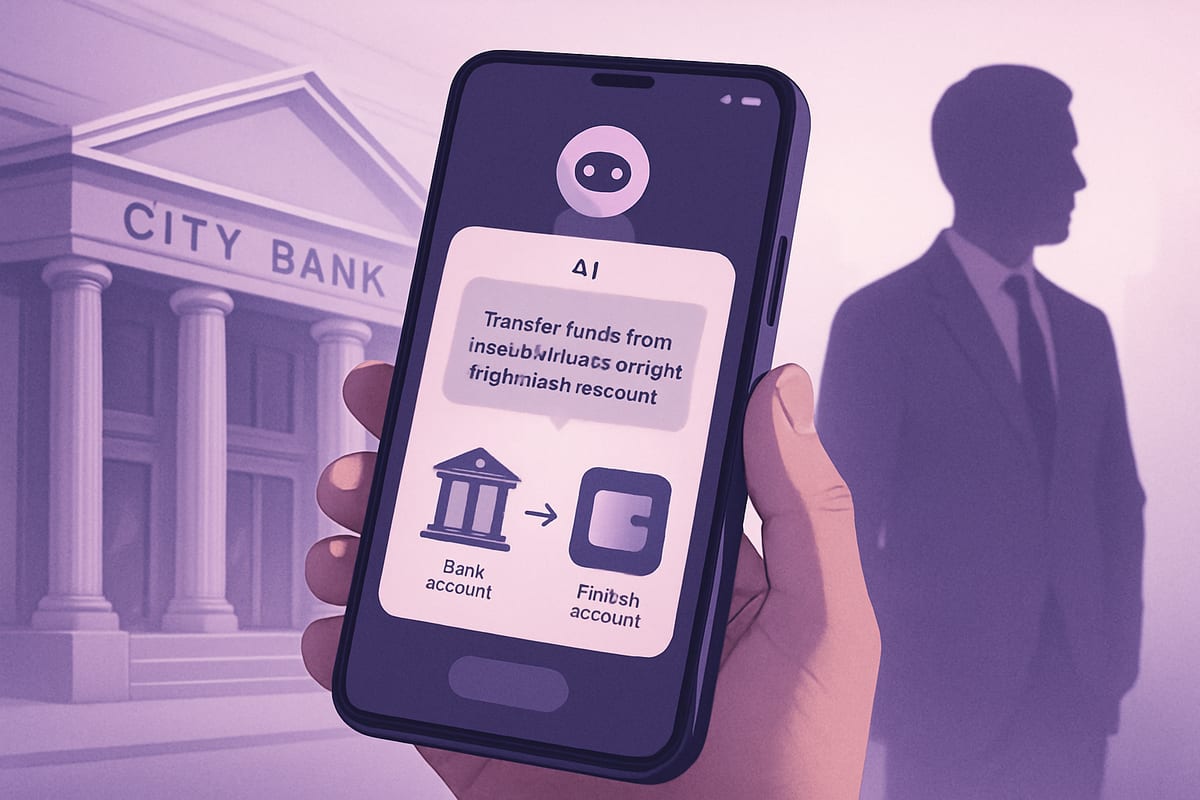
Personal assistants capable of optimizing returns could direct savings towards better-paying fintechs, warns Torsten Slok, chief economist at Apollo. This warning comes as Apollo expands its credit arm and platforms, including Amazon, are already limiting the actions of these agents.
Apollo Expands Private Credit, While Platforms Restrict Agents
Apollo oversees a credit branch of $849 billion, competing with banks to provide loans to businesses, and claims the top spot among non-bank lenders. The company aims to reach $1.2 trillion in private credit assets under management by 2029. Apollo's press service did not provide further details. Meanwhile, many players are beginning to restrict AI agents' access to their platforms in response to the increasing number of solicitations. Amazon, for example, prohibits Muse from adding products to shopping carts, arguing that AI assistants violate its usage rules. Amazon has also expressed concerns about Muse's handling of sensitive data, noting that the assistant does not identify itself and retrieves account information.
Le brief IA que les pros lisent chaque soir
Les 7 actus IA du jour, décryptées en 5 min. Gratuit.
Inclus dès l'inscription : notre sélection des meilleurs guides & comparatifs IA.
Choisissez votre rythme
Gratuit · Pas de spam · Désabonnement en 1 clic
How Automated Arbitrage Could Shift Savings
An AI agent seeking to optimize liquidity may recommend transferring funds from a bank to a fintech. Muse from Meta is cited as an example of a personal assistant that could be called upon for this type of task. The arbitrage relies on the difference in returns: checking accounts offer an average of 0.1% per year, savings accounts 0.4%, while fintechs like Adelphi offer up to 5% for certain accounts. Torsten Slok warns of the risk that simultaneous actions by these AI agents could quickly drain many deposits from banks to other destinations.
Torsten Slok's Warning and the Growing Use of Assistants
Torsten Slok, chief economist at Apollo, warns that liquidity optimization by AI assistants could trigger a deposit flight and deprive banks of the resources needed to issue loans. He wrote on Sunday that if every household used AI agents to maximize the return on their cash balances, banks could lose a significant portion of the cheap deposits they rely on. This warning comes as assistants like Muse and Instinct are already being used for everyday tasks, such as grocery shopping or booking movie tickets, and the number of people reporting their experiences of financial optimization through these tools is increasing. Meta and Noah Shinn, the founder of Instinct, did not respond to requests for comment sent outside of regular hours.
Brief IA — L'actualité IA en français
L'essentiel de l'actualité de l'intelligence artificielle, décrypté et expliqué chaque jour.