AI Decoding Brain Images and Everyday Batteries
Le brief IA que les pros lisent chaque soir
Les 7 actus IA du jour, décryptées en 5 min. Gratuit.
Inclus dès l'inscription : notre sélection des meilleurs guides & comparatifs IA.
Choisis ton rythme
Gratuit · Pas de spam · Désabonnement en 1 clic
An AI tool is able to reconstruct what people see from their brain scans, while startups are betting on small batteries integrated into everyday life. Amid privacy risks, concerns about fires, and chip supply tensions, regulation is ramping up and industry players are responding. Here’s an overview of the signals to watch for in AI and energy.
Shortages, Concerns, and Regulation Frame Announcements
Hanneke Faber, CEO of Logitech, discusses a global search for electronic chips and estimates that the AI-related shortage could last another 12 to 18 months. In the energy sector, densely populated communities like New York are expressing concerns about the fire risks associated with batteries, which remain rare but highly publicized. On the other hand, some researchers are warning about the danger that brain decoding devices could access thoughts or mental images without the consent of the individuals involved.
From a regulatory standpoint, the FTC is investigating OpenAI, Anthropic, and other AI labs to analyze potential harms to consumers related to AI agents. Other political and industrial trends are emerging: California now allows the installation of solar panels on balconies for both renters and homeowners; Apple is set to launch a new push into the smart home sector this month; and a novel network of implants uses body tissues as conductors to connect small sensors and medical devices.
Decoding What the Brain Sees Becomes Technically Possible
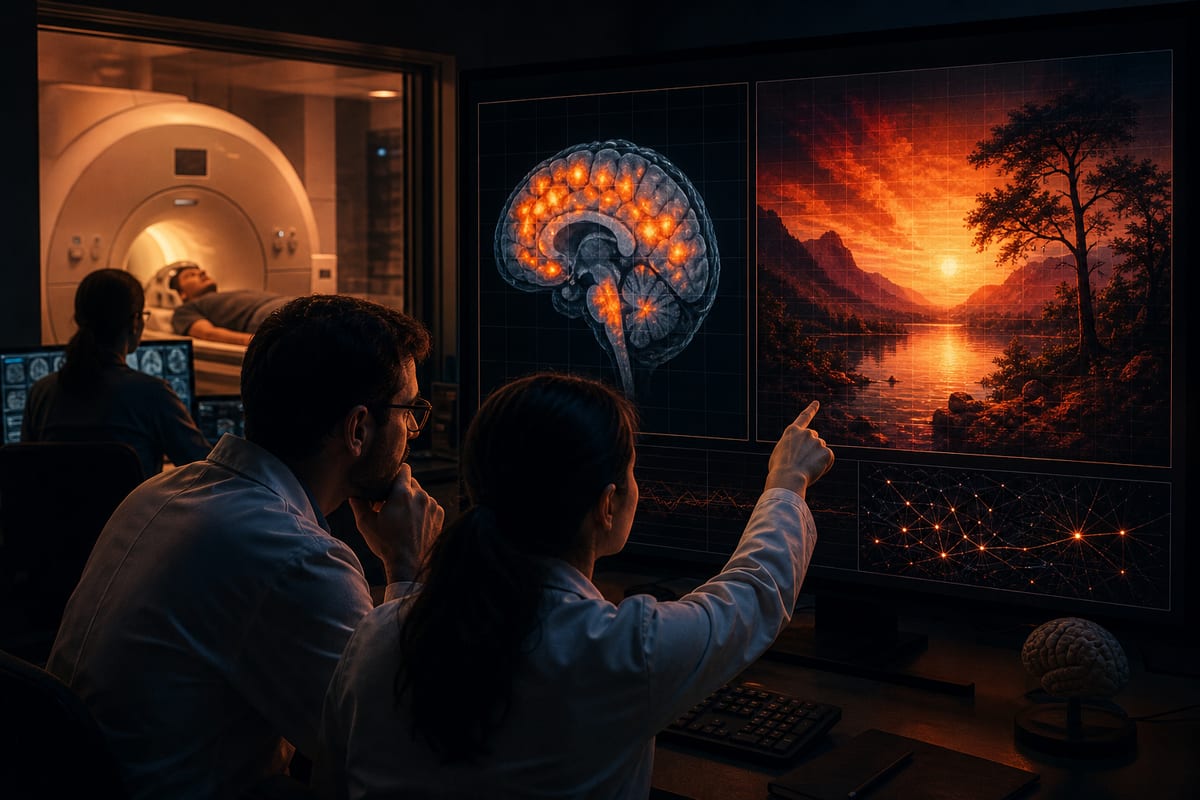
A new AI tool can infer what a person is looking at from their brain scans and reconstruct that image with notable accuracy. It is also capable of predicting brain activity based on the images observed. Researchers hope this tool will lead to a better understanding of how the brain works. They also envision it could help individuals with locked-in syndrome communicate, and some believe it might one day allow for the recreation of dream content. These prospects are presented as future possibilities, not as already achieved results.
Small Batteries, Big Aggregate Effects in Daily Uses
As large-scale battery installations multiply worldwide, some startups are innovating by installing small batteries in various applications, from induction cooktops to food carts. These consumer-targeted batteries could help reduce pollution or electricity bills. Although each unit is modest in size, their proliferation could represent significant capacity. As costs decrease, these batteries could be integrated into more aspects of daily life.
Strategy and Security: Military Projects, Cyber Espionage, and AI Models
The U.S. Department of Defense has asked Elon Musk to co-lead the Meridian project, which aims to analyze conflict environments, from underground infrastructures to outer space. At the same time, Chinese hackers have used the identities of former high-ranking U.S. officials to gather intelligence on AI in the United States, particularly targeting military AI specialists and export controls. In the industrial sector, after a series of delays, Google has unveiled Gemini 4 Argon, a groundbreaking model designed to reposition the company at the forefront of artificial intelligence.
Brief IA — L'actualité IA en français
L'essentiel de l'actualité de l'intelligence artificielle, décrypté et expliqué chaque jour.