AI: Meta borrows an additional $25 billion
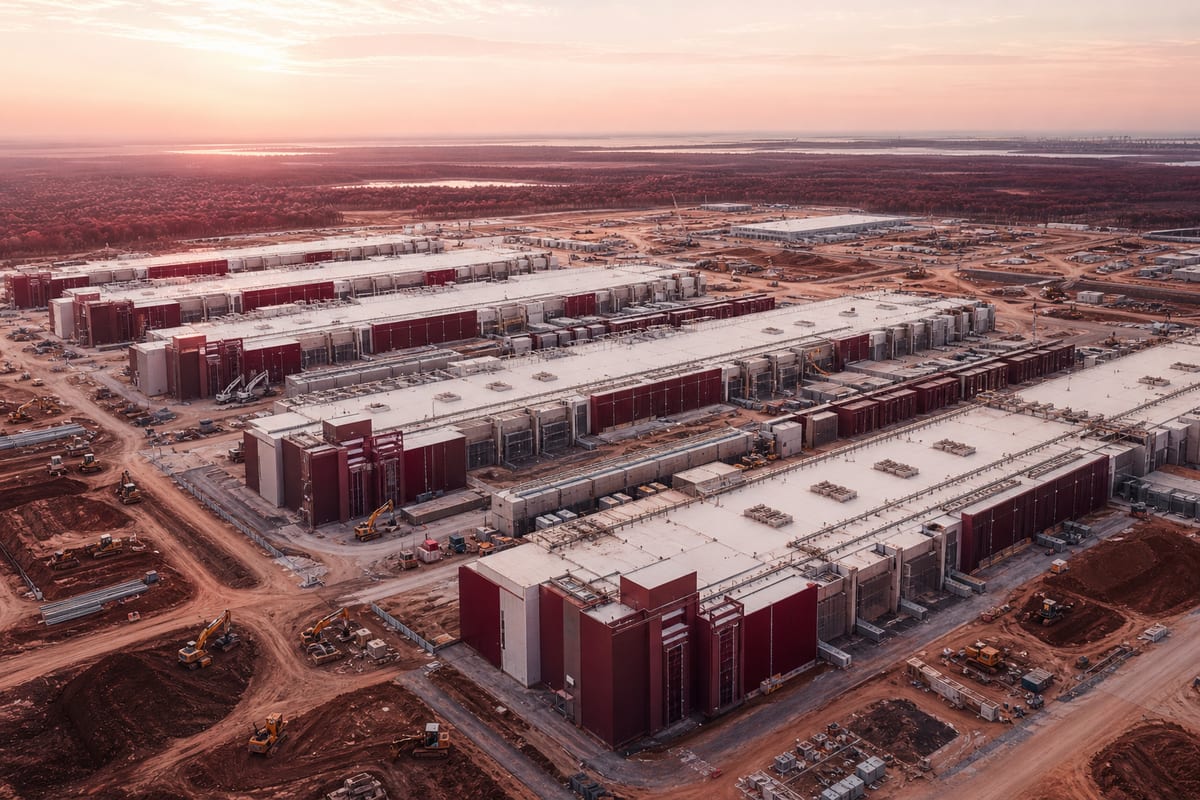
Meta raised an additional $25 billion in April, as AI funding increasingly relies on debt. Amazon, Alphabet, and Oracle also mobilized tens of billions through borrowing. Unlike equity, debt typically imposes fixed repayment deadlines.
Telecoms Have Long Held Unused Capacities
In 2002, telecommunications accumulated around $1 trillion in debt. The FCC chairman estimated that a significant portion would never be repaid. WorldCom had filed for bankruptcy, setting a record in the history of American bankruptcies.
The sector's borrowing was supported by a widely circulated but poorly verified assumption: internet traffic was supposed to double every 100 days. Its actual growth was more akin to an annual doubling. Traffic eventually increased, but a large amount of fiber remained unused for several years.
Subsequent buyers acquired this fiber at low prices during bankruptcies before putting it to use. For a decade, restructurings and private mergers reshaped the capital structures of companies. Some navigated this period; many disappeared.
Meta's Borrowing and Planned Expenditures
Before its new raise in April, Meta had issued $30 billion in bonds last October, a transaction among the largest ever conducted by a company. Investors reportedly demanded higher returns in April.
Funding for Meta's campus in Louisiana is structured differently: a joint venture partner, rather than Meta, issued the bonds. This operation reached a record amount of $27 billion.
Morgan Stanley forecasts that major AI and cloud companies will spend around $3 trillion on infrastructure by 2028. The bank estimates that the cash resources generated by these companies will only cover about half of this amount.
Le brief IA que les pros lisent chaque soir
Les 7 actus IA du jour, décryptées en 5 min. Gratuit.
Inclus dès l'inscription : notre sélection des meilleurs guides & comparatifs IA.
Choisissez votre rythme
Gratuit · Pas de spam · Désabonnement en 1 clic
Equity and Debt in the Face of Losses
The weight of borrowing has increased over the past year in the expansion of AI, which had previously been primarily funded by capital contributions. These contributions carry significant risks, generally without fixed repayment deadlines. When performance disappoints, the decline in valuation typically places the losses on shareholders.
A company funded by equity can thus maintain more latitude to pursue its long-term projects. This mode of financing generally tolerates a delay in revenue arrival better than debt, which is subject to a payment schedule.
Venture capital continues to mobilize record amounts. According to Crunchbase, it represented $679 billion globally during the first three quarters of 2026, a peak for this period. In the third quarter, AI companies captured $102 billion, accounting for about 64% of the recorded global funding.
Crunchbase also counts a record 27 companies that raised at least $1 billion each during this quarter. Together, these operations represent about a third of the global quarterly amount.
Investors Demand Proof of Demand
Companies building AI infrastructure largely fuel demand projections. The argument presented is that facilities are already reserved even before their construction, with the main risk being not building enough. In recent months, investors have begun to demand explanations.
Among the most profitable companies ever created could be those that are borrowing the most in this expansion, with cash flows at levels never reached by telecom operators. It also seems that some AI companies are achieving high revenue levels faster than any companies before them.
Anthropic is now publicly traded. The quarterly communications of large companies give investors the opportunity to compare business expectations with audited financial data.
Brief IA — L'actualité IA en français
L'essentiel de l'actualité de l'intelligence artificielle, décrypté et expliqué chaque jour.