AI: Ofgem Aims to Tighten Access to the UK Electricity Grid
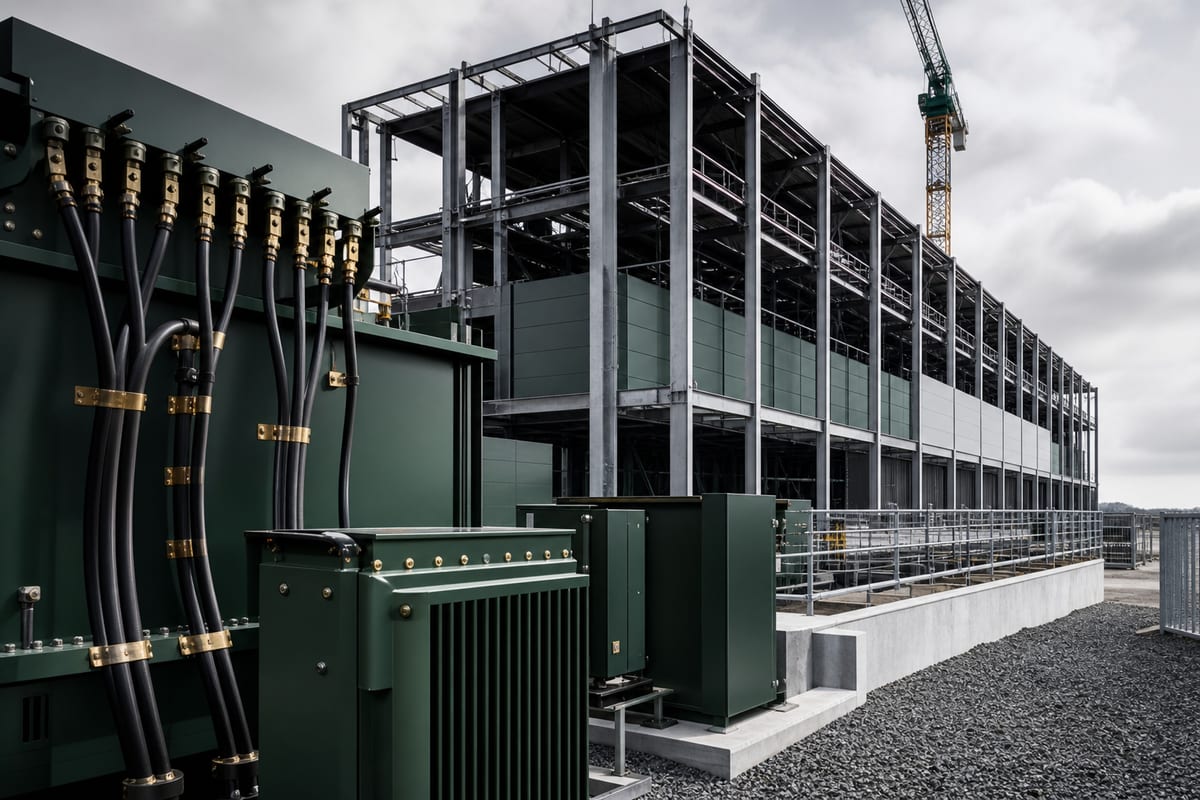
In the UK, Ofgem is proposing new requirements for electrical connections, as data center projects account for at least 80 GW of the recent surge in demand, according to the regulator. The announced projects do not necessarily correspond to funded and operational installations. At the same time, there is an effective shortage of memory.
Nvidia Proposes Investment in OpenAI
Nvidia has proposed an investment of up to $100 billion in OpenAI, linked to the deployment of at least 10 GW of the manufacturer's systems. However, in December 2025, the company clarified that a definitive agreement was still to be concluded. It also noted that it would not count any potential purchases from OpenAI in its already recorded chip reservations.
Chip manufacturers are increasingly investing in companies that are their customers or could become so. When a beneficiary uses part of these funds to purchase equipment from its investor, the relationship simultaneously involves both an investment and potential hardware sales. The computing need can be genuine without being completely independent of the supplier.
Connection Requests Exceed Funded Projects
UK requests for electrical connections have reached 125 GW, up from 41 GW less than a year ago, a growth primarily driven by data centers. Ofgem is considering commitment fees as well as additional validation steps. Developers will need to provide evidence of their commercial and financial readiness, including their procurement efforts.
To open a center, one must first secure land, a power supply, and equipment. Having a location and being in a connection queue, even with a public announcement, does not necessarily mean having signed a client. Financing may remain incomplete, and energization uncertain.
Le brief IA que les pros lisent chaque soir
Les 7 actus IA du jour, décryptées en 5 min. Gratuit.
Inclus dès l'inscription : notre sélection des meilleurs guides & comparatifs IA.
Choisissez votre rythme
Gratuit · Pas de spam · Désabonnement en 1 clic
Manufacturers Redirect Already Scarce Memory
In the memory market, the tension concerns existing supplies. TrendForce reports an increase of about 93% to 98% in contract prices for conventional DRAM in the first quarter of 2026. Suppliers are prioritizing servers, while cloud companies are competing for available volumes. SK Hynix warns that the shortage of high-bandwidth memory, or HBM, could extend until 2030.
Samsung, SK Hynix, and Micron account for about 90% of the DRAM market. Their shift towards HBM and high-margin server memory has restricted conventional volumes intended for other uses. Smaller buyers struggle to secure allocations against large cloud groups. This redirection comes after production cuts made during the price drop of 2023, a year in which SK Hynix reported an operating loss of 7.73 trillion won.
Investments continue: Micron plans to allocate more than $250 billion to manufacturing and research in the United States by 2035. However, a factory requires several years of work, equipment, and qualification. In the short term, TrendForce expects mainly process-related gains rather than a significant expansion of semiconductor wafer processing capacities.
Engaging a new factory implies anticipating needs beyond several generations of components and AI products. Even before mass production, more efficient models or new architectures could alter the required memory volumes or their nature.
Commitments and Activity Rather Than Announcements
A binding customer contract, a non-refundable deposit, assured power supply, purchased equipment, or a construction site underway represent commitments that are harder to undo than an announcement. After opening, revenues from external clients and actual usage provide more information than announced capacity. Deployment can also progress in phases as needs, utilization rates, and yields become measurable.
Brief IA — L'actualité IA en français
L'essentiel de l'actualité de l'intelligence artificielle, décrypté et expliqué chaque jour.