Altman Still Manually Handles His Emails, OpenAI Delays Its IPO
Le brief IA que les pros lisent chaque soir
Les 7 actus IA du jour, décryptées en 5 min. Gratuit.
Inclus dès l'inscription : notre sélection des meilleurs guides & comparatifs IA.
Choisis ton rythme
Gratuit · Pas de spam · Désabonnement en 1 clic
Sam Altman says he continues to sort his emails himself, a practice he associates with "working," while acknowledging that he could delegate these tasks to Codex. At the same time, OpenAI filed a confidential application for an IPO in June and has since postponed its plans, with a timeline described as likely pushed to next year. Other executives describe targeted routines or scripts to manage their inboxes.
OpenAI Delays Its IPO Plans
OpenAI filed a confidential application to go public in June and has since delayed its IPO plans. The timeline is described as likely postponed to next year. In this context, Sam Altman believes that users are still caught between two worlds, maintaining familiar practices like manually sorting emails while testing AI tools capable of performing those same tasks.
Altman Associates Manual Email Sorting with "Working"
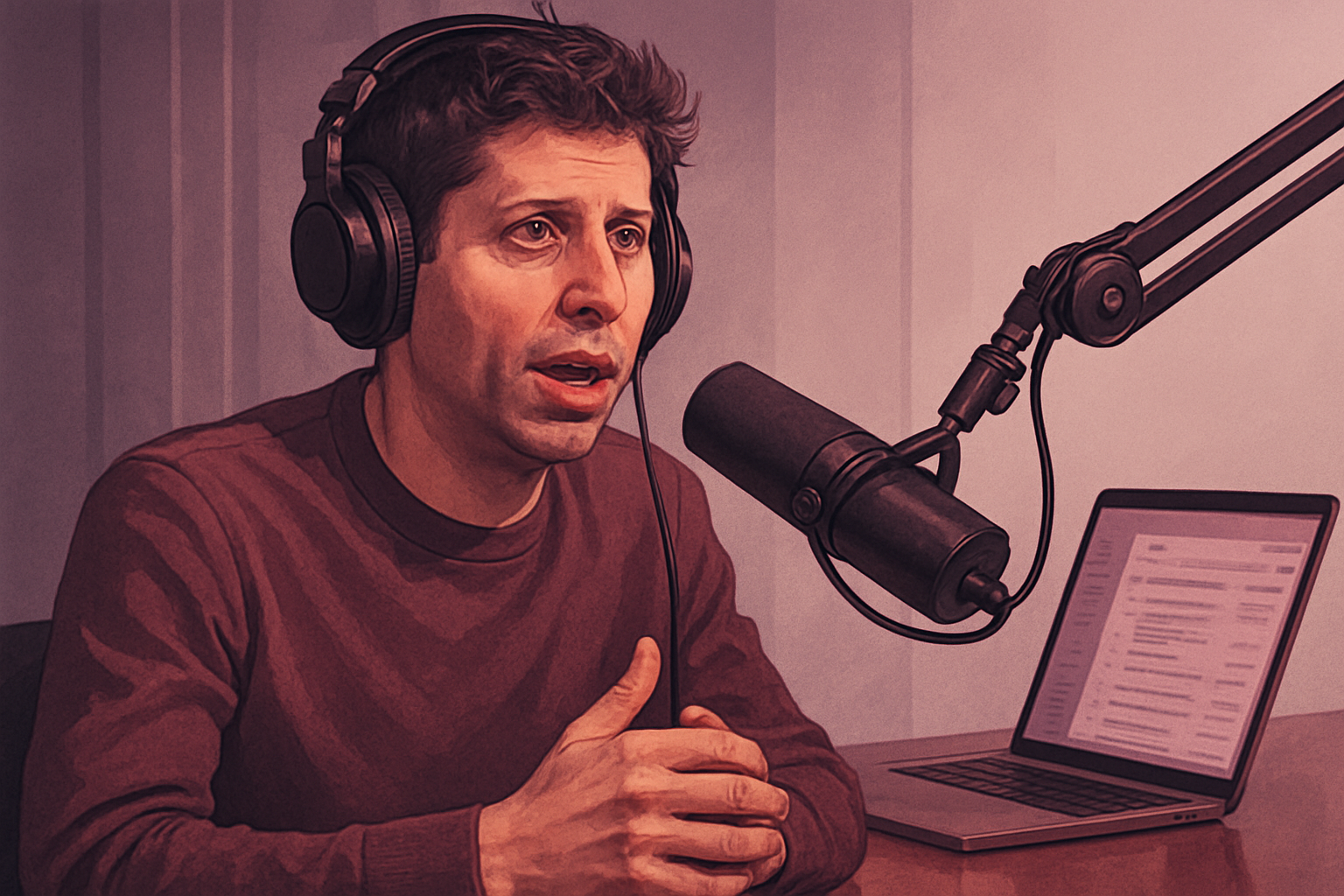
During an episode of David Senra's podcast aired on Sunday, Sam Altman explained that he feels more productive when he manually goes through his inbox, even though an AI could do it faster. He continues to manage his emails without resorting to automation, even though Codex, described as OpenAI's software engineering agent, is available. He acknowledges that he shouldn't scroll through his messages mechanically to select the least unpleasant ones to open and deal with, and admits that he could delegate more repetitive tasks to Codex, such as transferring information between different applications or managing his to-do list. He also notes that he associates these actions with the idea of working and being productive, while considering this attitude psychologically inconsistent. He believes that better products would facilitate the transition to AI.
Executives Automate, Sequence, or Limit Their Responses
Beyond Altman's case, executives are looking to prevent their messaging from dictating their day. An examination of 100 "Power Hours" interviews highlights several common habits: setting priorities before accessing the inbox, checking messages at specific times of the day, favoring brief responses, using automation or delegation for sorting, and establishing no-check periods in the evening. Andrew Bialecki, CEO of Klaviyo, states that he has developed scripts that provide him with a summary of essential information from the last 24 hours. Roland Busch, CEO of Siemens, mentions that he receives nearly 200 emails daily but strives to keep fewer than 100 messages in his inbox; he primarily responds with "OK" or "no," and for longer emails, he sometimes dictates his responses while walking around his office.
Brief IA — L'actualité IA en français
L'essentiel de l'actualité de l'intelligence artificielle, décrypté et expliqué chaque jour.