Anthropic Embraces Multichip, Nvidia's Power Challenged
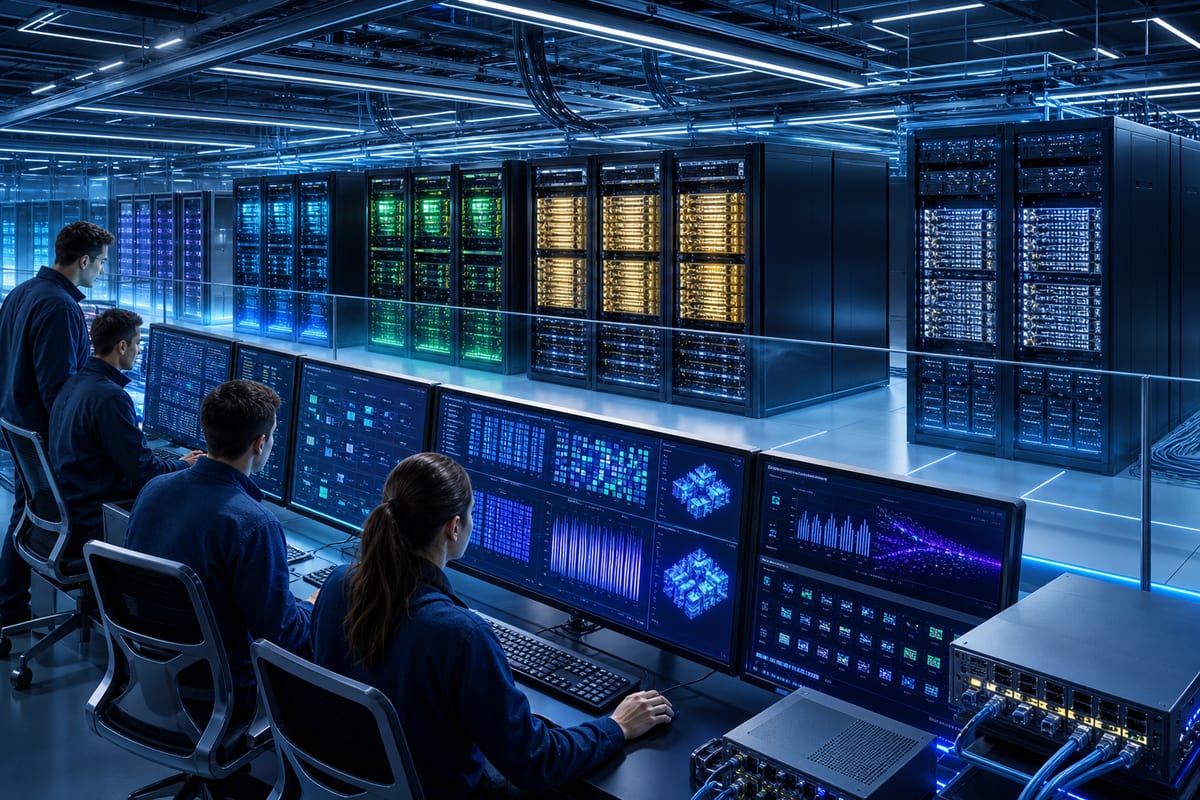
Anthropic details an infrastructure capable of orchestrating Amazon Trainium, Google TPUs, Nvidia and AMD GPUs as a single compute pool. Analysts see this as a way to reduce dependence on Nvidia and exert pressure on its prices, while noting that the transition between chips remains complex and costly, out of reach for smaller players. In the short term, Nvidia's advantages in performance, networking, and software remain intact. Ken Griffin warns of a price drop in the event of GPU overcapacity.
Technical and Financial Obstacles Limiting Immediate Impact
Several analysts temper the short-term effect of Anthropic's approach. Brad Gastwirth believes that the multichip strategy does not pose a major threat to Nvidia in the immediate future and reminds us that increasing options does not eliminate its advantages in performance, networking, and software. Patrick Moorhead emphasizes that switching from one chip to another remains challenging, particularly for model training compared to inference. According to him, only the largest AI companies have the resources necessary to pursue such a strategy, while Anthropic continues to spend billions on Nvidia computing. He also notes that while mixing chips is not new, the company now presents it as a key asset to investors. The general consensus is that changing chips remains difficult and costly for the industry.
Le brief IA que les pros lisent chaque soir
Les 7 actus IA du jour, décryptées en 5 min. Gratuit.
Inclus dès l'inscription : notre sélection des meilleurs guides & comparatifs IA.
Choisissez votre rythme
Gratuit · Pas de spam · Désabonnement en 1 clic
Anthropic Orchestrates Four Families of Chips as a Single Pool
Anthropic claims to manage its computing as a single, interchangeable pool, powered by several strategic partners. An internal software directs workloads to different chips based on their productivity. The company specifies that it uses four families of hardware: Amazon Trainium, Google TPUs, Nvidia GPUs, and AMD GPUs. It states that this flexibility required years of effort and significant investments to implement.
Reduced Dependence and Pressure on Nvidia's Pricing
Analysts believe that such flexibility could, over time, reduce the dependence of major players on Nvidia and improve their bargaining power. Patrick Moorhead points out a risk to Nvidia's pricing power: a customer able to shift their workloads across four platforms does not negotiate like a captive customer. Ashish Nadkarni adds that a multichip setup makes Anthropic less exposed to the supply chain uncertainties associated with Nvidia chips. In the same vein, Gil Luria believes that other major players, such as OpenAI, have likely adopted a similar approach, although the effort and investment involved may not be justified for smaller companies. More broadly, analysts see this as a potential source of pressure on Nvidia's pricing.
The Commoditization Scenario and Possible Price Decline
A larger risk for Nvidia looms if AI computing power becomes a commodity. Ken Griffin warns that when supply exceeds demand, rental prices can drop rapidly. According to him, GPUs have a very low marginal operating cost, and a situation of overcapacity would lead to a sharp decline in rates.
Brief IA — L'actualité IA en français
L'essentiel de l'actualité de l'intelligence artificielle, décrypté et expliqué chaque jour.