Anthropic Settles $1.5 Billion Dispute
A Historic Settlement for Anthropic
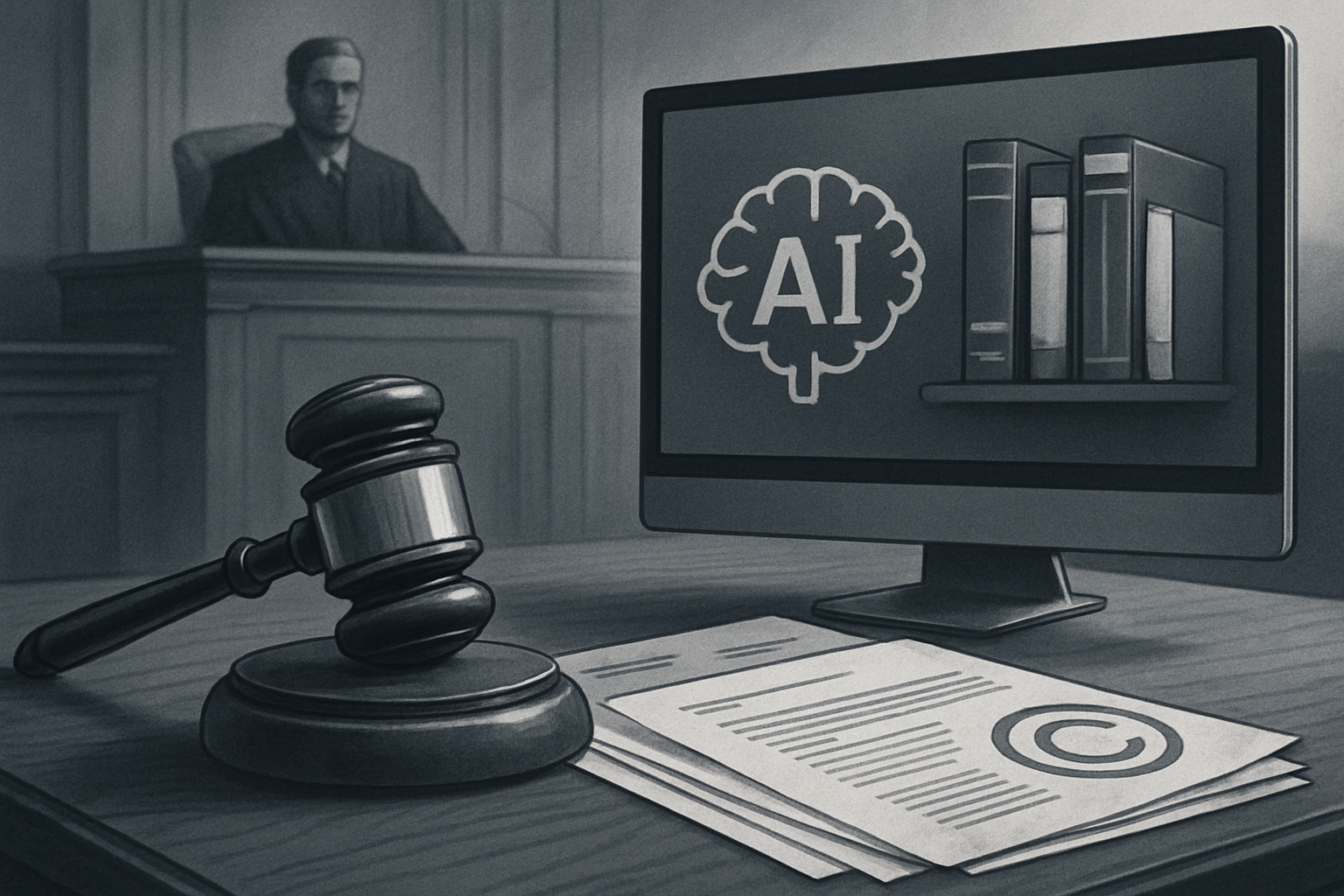
Anthropic, a laboratory specializing in artificial intelligence, has recently secured approval for a $1.5 billion settlement, bringing an end to a lawsuit filed by a group of authors and publishers. They had sued the company for copyright infringement. The final approval of this agreement was granted by a federal judge on Monday, according to a report by Reuters.
The Role of Judge Alsup and His Successor
Judge William Alsup, of the U.S. District Court for the Northern District of California, had initially given preliminary approval to this settlement the previous year. He concluded that Anthropic had violated the law by illegally downloading and storing millions of copyrighted books. After Alsup's retirement, it was Judge Araceli Martinez-Olguin who signed the final agreement this Monday.
Details of the Payment to Authors and Publishers
The agreement provides for a payment of $3,000 per work, distributed among approximately 500,000 works, benefiting the authors and publishers holding the rights. While this settlement is considered the largest ever made in the field of copyright in the United States, it is not seen as a victory by all the creators involved.
A Controversial Decision on AI Training
The controversy lies in how the legal question was resolved. Judge Alsup ruled in favor of Anthropic on the crucial point, stating that the use of copyrighted texts to train an AI model constitutes fair use. This decision is viewed as a pivotal moment for the AI industry. However, it does not absolve Anthropic of how it acquired these books. The company built its training library by legally purchasing and digitizing some books, but also by illegally downloading works from pirate sites such as Library Genesis and Pirate Library Mirror.
Le brief IA que les pros lisent chaque soir
Les 7 actus IA du jour, décryptées en 5 min. Gratuit.
Inclus dès l'inscription : notre sélection des meilleurs guides & comparatifs IA.
Choisissez votre rythme
Gratuit · Pas de spam · Désabonnement en 1 clic
Consequences for Anthropic
Judge Alsup deemed this latter method illegal, paving the way for a potential piracy lawsuit. To avoid a trial and the significant damages a jury might impose, Anthropic chose to settle the matter.
Implications for the Industry
Although the final approval puts an end to this particular case, it does not resolve the legal question on an industry-wide scale. Alsup's decision is only applicable to his district court and does not set a binding precedent. Other judges may still render different decisions on similar cases.
Ongoing Lawsuits Against Other Tech Giants
Additionally, other copyright infringement cases are ongoing against companies like Google, Meta, Midjourney, and OpenAI. These lawsuits concern the legality of training their AI models on protected works. Recently, a group of publishers and authors, including Hachette, Cengage, Elsevier, as well as authors like Scott Turow and S.C.R.I.B.E., filed a class action against Google, accusing it of using their protected works to train its AI platform, Gemini.
Brief IA — L'actualité IA en français
L'essentiel de l'actualité de l'intelligence artificielle, décrypté et expliqué chaque jour.