Apple: The Failure of the Self-Driving Car Boosts Its AI Chips
Apple: The Failure of the Autonomous Car Propels Its AI Chips
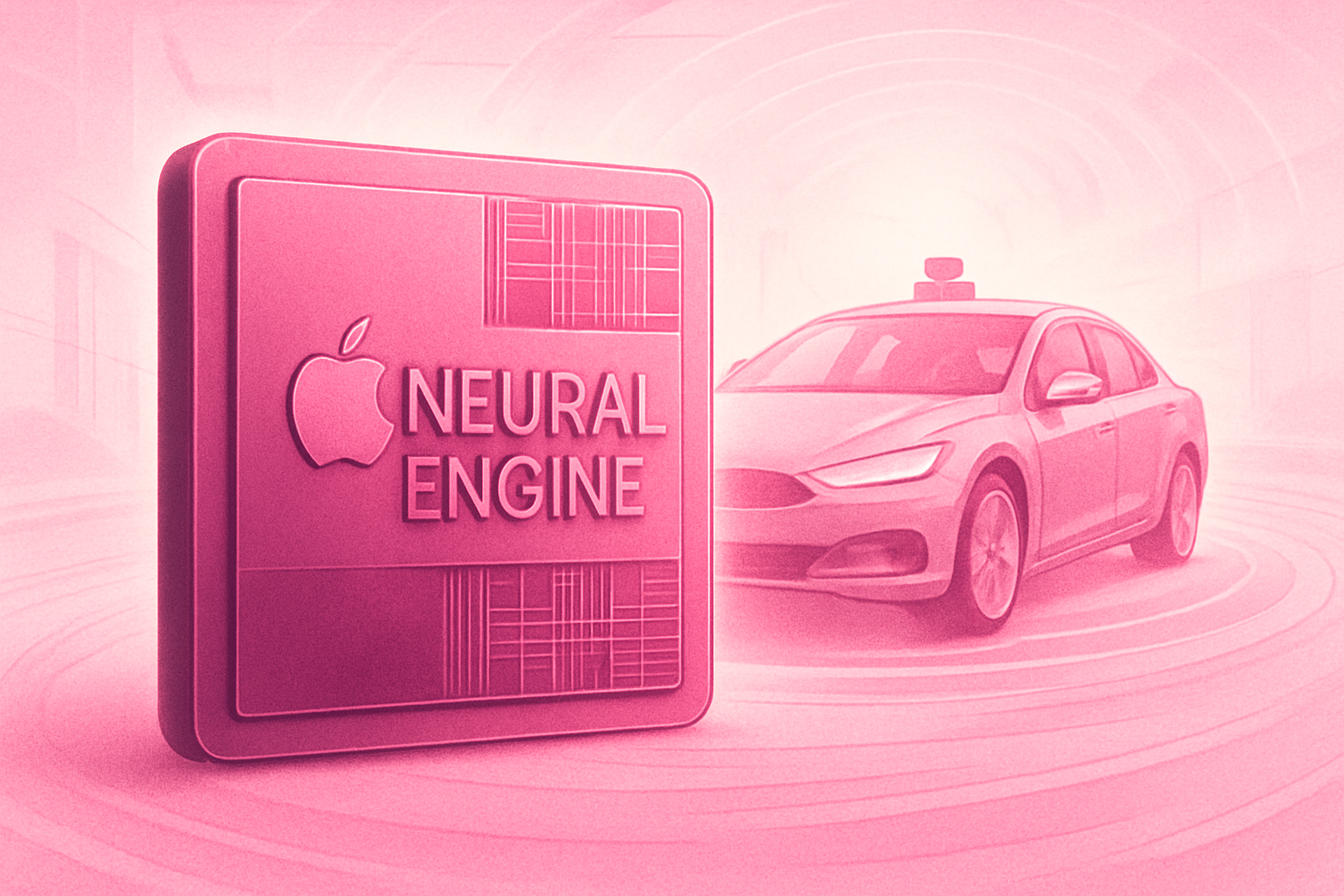
Apple's autonomous car program never really took off, but it may have been the catalyst for the power of the company's AI chips. Early in the development of the autonomous driving platform, Apple realized it would need powerful on-device AI processing. Although the car's processor was never completed, as detailed by Mark Gurman in his latest Power On newsletter, this led to the development of the Neural Engine, the backbone of on-device AI processing at Apple.
The Neural Engine made its debut with the iPhone X and the A11 Bionic. In those early days, it was primarily used for computer vision, powering FaceID, Animoji, and augmented reality features. By laying the groundwork for on-device AI processing, Apple established itself as an early leader by integrating the Neural Engine into desktop computers with its M-series chips. While Apple's software efforts in AI have lagged behind the rest of the industry, its hardware has been impressive. This has also allowed Apple to highlight its privacy features, as fewer data are sent to the cloud.
Le brief IA que les pros lisent chaque soir
Les 7 actus IA du jour, décryptées en 5 min. Gratuit.
Inclus dès l'inscription : notre sélection des meilleurs guides & comparatifs IA.
Choisis ton rythme
Gratuit · Pas de spam · Désabonnement en 1 clic
Apple is making its AI hardware a cornerstone of its future strategy. According to Gurman, the company is skipping the Pro, Max, and Ultra versions of its upcoming M6 chip. Instead, it is accelerating the development of the M7, which is expected to arrive in the first half of 2027 with significant updates to the Neural Engine. The M7 Ultra is also expected to serve as the foundation for a new server product from Apple, with support for up to 1.5 TB of RAM.
Brief IA — L'actualité IA en français
L'essentiel de l'actualité de l'intelligence artificielle, décrypté et expliqué chaque jour.