Apple Requires Explicit Approval for Full Disk Access on macOS
Le brief IA que les pros lisent chaque soir
Les 7 actus IA du jour, décryptées en 5 min. Gratuit.
Inclus dès l'inscription : notre sélection des meilleurs guides & comparatifs IA.
Choisis ton rythme
Gratuit · Pas de spam · Désabonnement en 1 clic
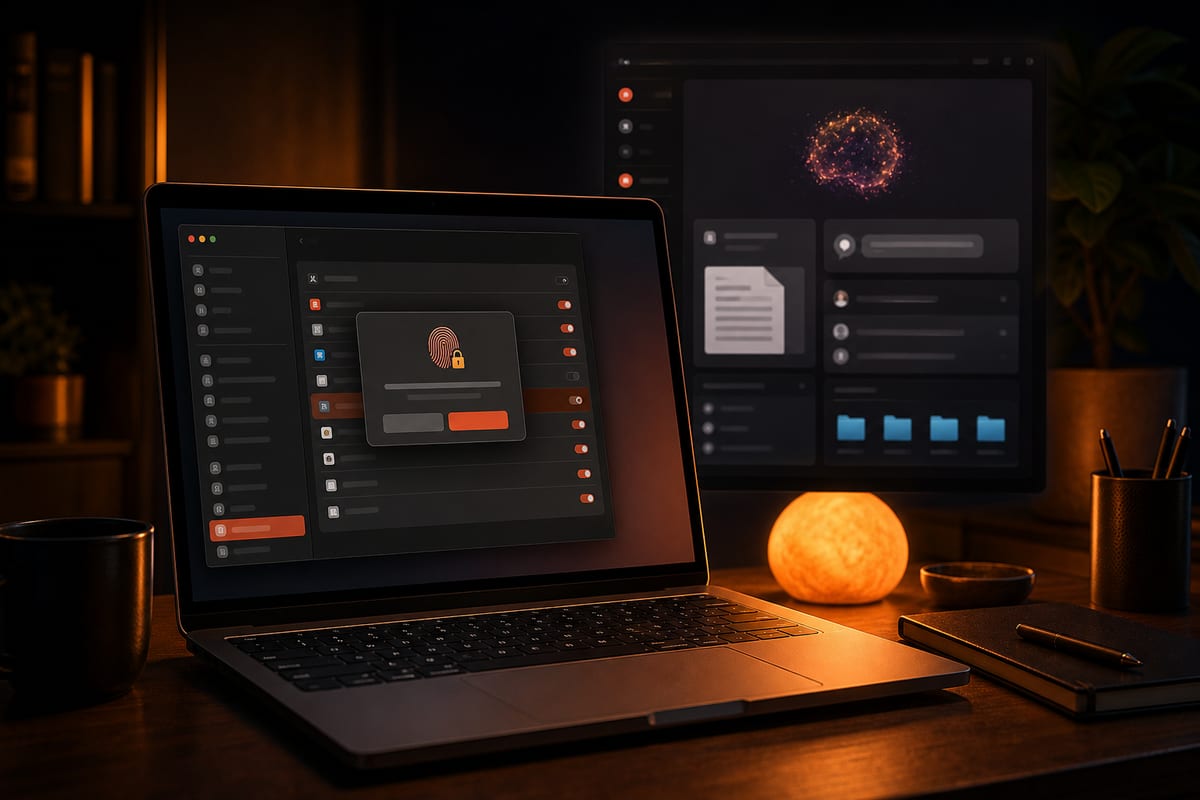
Apple plans to implement additional safeguards around the "Full Disk Access" feature in macOS. The company cites increased risks posed by AI agents and announces that "very explicit user action" will be required to grant this access. The announcement comes after reports concerning AI applications on Mac.
Apple Promises Safeguards and Warns of Rising Risks
Apple believes that some developers are exploiting "Full Disk Access" in a way that endangers users, potentially exposing their entire systems without their full knowledge or understanding. The company plans to introduce new controls so that granting this level of access will only be possible with very explicit user action. According to Apple, as AI agents become more capable and autonomous, the risks associated with this level of access will grow substantially. The company links this development to the rise of AI agents, which it sees as having increased the risks surrounding this setting.
What "Full Disk Access" Allows Today
The relevant setting is called "Full Disk Access" in macOS. According to Apple, it allows an application to access files, emails, messages, and browsing history. This level of access was originally designed to ensure the proper functioning of backups. Today, desktop AI agents can prompt users to grant their applications extended access to their personal content through this setting. In Muse, this access can be optionally enabled.
Recent Incidents on Mac Renew Concerns
A journalist claimed that Meta's Muse application on Mac had read his private messages; Jason Aten, a columnist at Inc., reported that Muse was aware of the content of his messages while indicating he had not granted permission to the AI agent. Meta disputed these claims. A few days after these accusations, Apple made its announcement. A vulnerability in the Mac version of ChatGPT may have allowed hackers to access sensitive information. These events have raised questions about the reliability and safety of desktop AIs capable of accessing files, messages, and system elements.
Brief IA — L'actualité IA en français
L'essentiel de l'actualité de l'intelligence artificielle, décrypté et expliqué chaque jour.