Arena Faces Off Against Fake AI Candidates: A Major Challenge
Le brief IA que les pros lisent chaque soir
Les 7 actus IA du jour, décryptées en 5 min. Gratuit.
Inclus dès l'inscription : notre sélection des meilleurs guides & comparatifs IA.
Choisis ton rythme
Gratuit · Pas de spam · Désabonnement en 1 clic
Arena Facing AI-Generated Fake Candidates
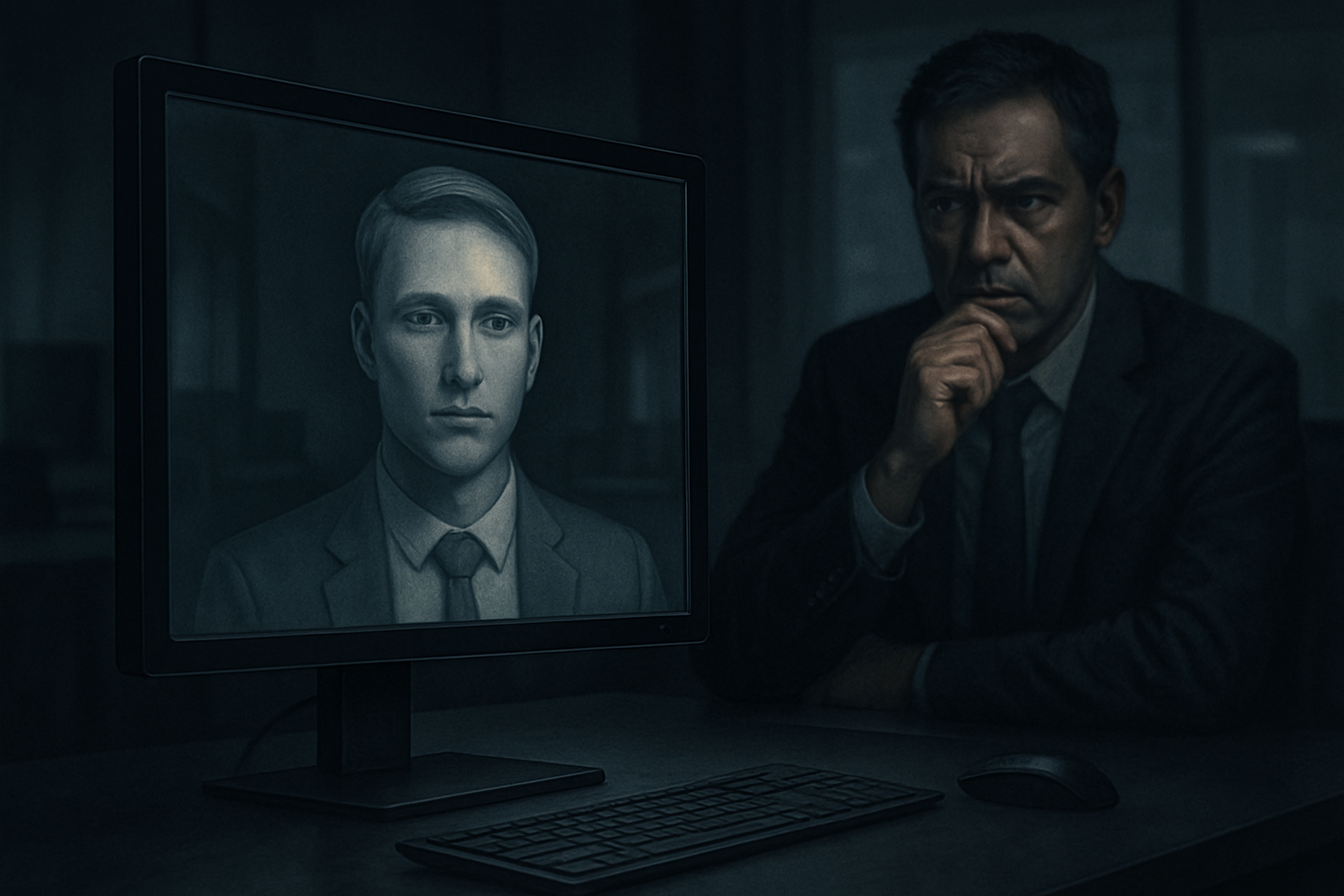
Arena's CEO, Anastasios Angelopoulos, recently revealed that his company is facing an unprecedented issue: fake candidates, generated by artificial intelligence, are managing to pass job interviews only to disappear at the time of hiring. This situation has prompted Arena to consider new measures, including in-person integration for new hires. Angelopoulos emphasized that these fake candidates, while successful in technical interviews, never materialize as actual employees.
Angelopoulos explained that his company, which specializes in evaluating artificial intelligence models, has been deceived by candidates who turned out to be AI creations. In an interview on the "20VC" podcast, he described these candidates as "fictional people" applying to companies, leaving Arena's engineers convinced of their authenticity. However, he did not specify how Arena discovered that these candidates were AI-generated.
The Implications of AI Fraud
Angelopoulos expressed his concerns about the motivations behind these fraudulent applications, mentioning possibilities ranging from industrial espionage to cyberattacks aimed at accessing the company's data and code. This situation is not unique to Arena, as he noted that many American companies are targets of such infiltration attempts.
To counter this phenomenon, Arena is considering making in-person meetings mandatory for new hires. "If you want a laptop, you need to come to the office. We need to meet and shake your hand," he stated, highlighting the importance of verifying candidates' identities.
A Global Problem
American companies are not strangers to the challenges posed by fake candidates, whether they are the work of individual scammers or schemes coordinated by nation-states. In 2025, the FBI had already warned about North Korean IT workers using AI and face-swapping technologies to disguise their identities during video interviews, thereby securing remote positions in American companies. These workers then exploited their access to steal sensitive data.
The FBI has recommended that employers verify identities during interviews and onboarding, prioritizing in-person meetings, and maintaining these checks throughout employment.
Reactions from Tech Companies
In response to this threat, several tech companies have taken measures to block fraudulent applications. For instance, Coinbase now requires all employees to come to the United States for in-person orientation. Meanwhile, Amazon is using AI to filter and block suspicious applications, including those from North Korean agents.
Although the exact scale of the phenomenon remains uncertain, a survey conducted by Gartner in the second quarter of 2025 revealed that 6% of the 3,000 candidates surveyed admitted to participating in fraud during interviews, either by impersonating someone else or allowing someone else to impersonate them. Gartner predicts that one in four candidates worldwide could be fake by 2028.
Brief IA — L'actualité IA en français
L'essentiel de l'actualité de l'intelligence artificielle, décrypté et expliqué chaque jour.