Aschenbrenner Predicts Nvidia's Decline and Bets on Anthropic
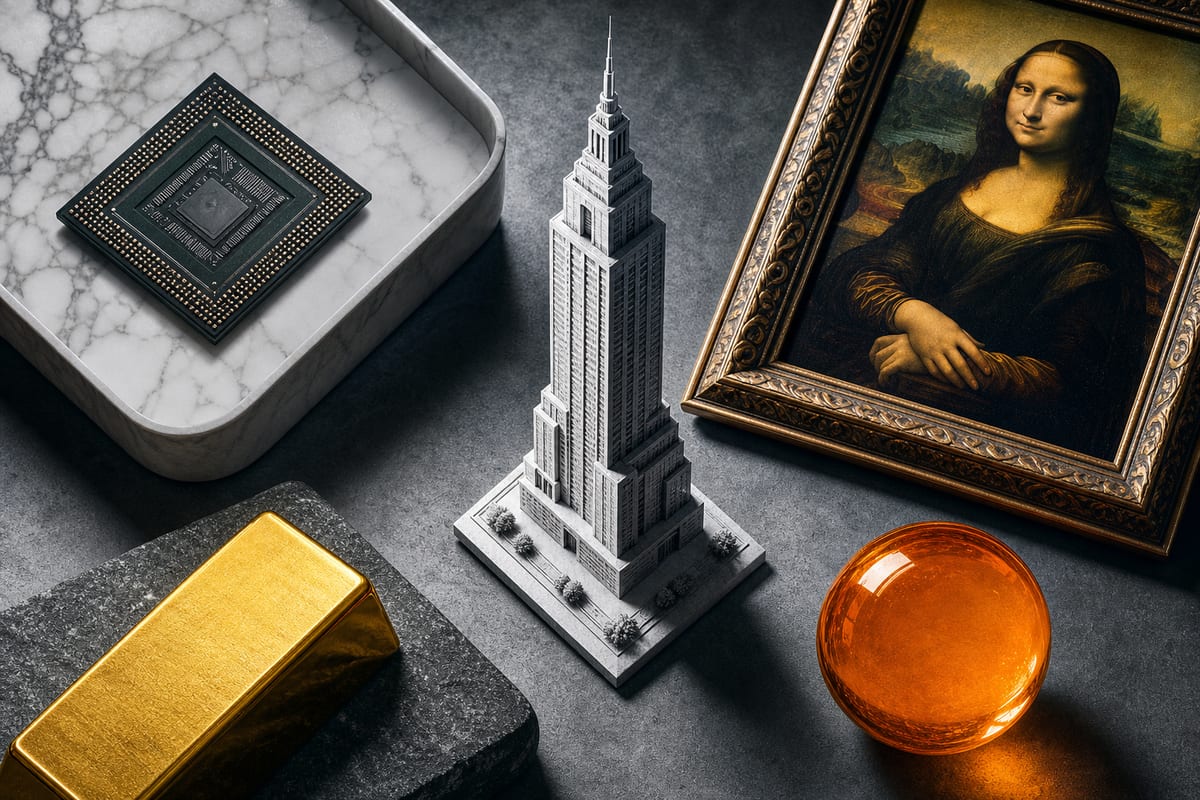
Leopold Aschenbrenner, founder of Situational Awareness and former researcher at OpenAI, predicts a decline for Nvidia and envisions that Anthropic could become, in some respects, the most profitable company in the world by the end of 2027. These projections, outlined in a leaked letter to investors, also pertain to real estate, historical artworks, and gold.
Anthropic and Nvidia, Two Opposing Bets
Situational Awareness has long been a significant investor in Anthropic, which also employs Aschenbrenner's wife. The financier describes the company developing Claude as a hub for AI talent and believes its product is more capable of scaling than that of OpenAI. He anticipates smarter models that require less computational resources, an optimization on which his profitability forecast relies.
Conversely, he doubts that Nvidia, once the world's highest-valued company, can sustainably generate profits. His reasoning is based on recursive self-improvement, meaning the ability of models to enhance themselves: they could, in his view, eventually design and manufacture chips that are much less expensive. He imagines the equivalent of millions of engineers surpassing humans in both skill and speed, rendering Nvidia's expertise outdated, which he compares to that of mathematicians.
The AI brief the pros read every evening
The 7 best AI stories, the essentials in 5 min. Free.
Included when you join: our pick of the best AI guides & comparisons.
Choose your rhythm
Free · No spam · Unsubscribe in 1 click
Real Estate, Art, and Gold in the Face of Robots
For Aschenbrenner, the value of a New York skyscraper lies in its location and quality, two advantages that AI-driven robots could potentially erase. He envisions an industry displaced by fleets of robots to deserts or oceans, or even off Earth, with cities losing their economic weight and value. Teams of robotic engineers would also lower the cost necessary to replace large buildings.
Famous artworks would escape this depreciation in his scenario: their historical significance would ensure they always command very high prices, even when robots are building skyscrapers. He sees Leonardo da Vinci's Mona Lisa as a potentially ideal asset to acquire for preservation. However, he notes that the French Republic is not offering it for sale.
Gold, according to the investor, would follow the opposite trajectory of art. Central banks hold significant reserves, and cautious investors have sought refuge in it for decades when markets become uncertain. But Aschenbrenner predicts that asteroid mining will become more feasible by the early 2030s: the massive influx of gold extracted this way would, he believes, lower prices and strip the metal of its status as a safe investment.
Citadel Rescued the Troubled Fund
In 2024, Aschenbrenner argued that AI would transform the economy much faster than expected. The initial returns of Situational Awareness were very high. However, the fund was too exposed to AI-related stocks.
In July, a brief market pullback, accompanied by massive sell-offs of these stocks, brought it to the brink of collapse. Citadel, led by Ken Griffin, intervened to save it at the last moment. Nevertheless, Situational Awareness lost part of its portfolio of listed securities.
Brief AI — AI news in French
The essentials of artificial intelligence news, decoded and explained every day.