Audio Plugins: AI Boosts Offerings, Quality Sparks Debate
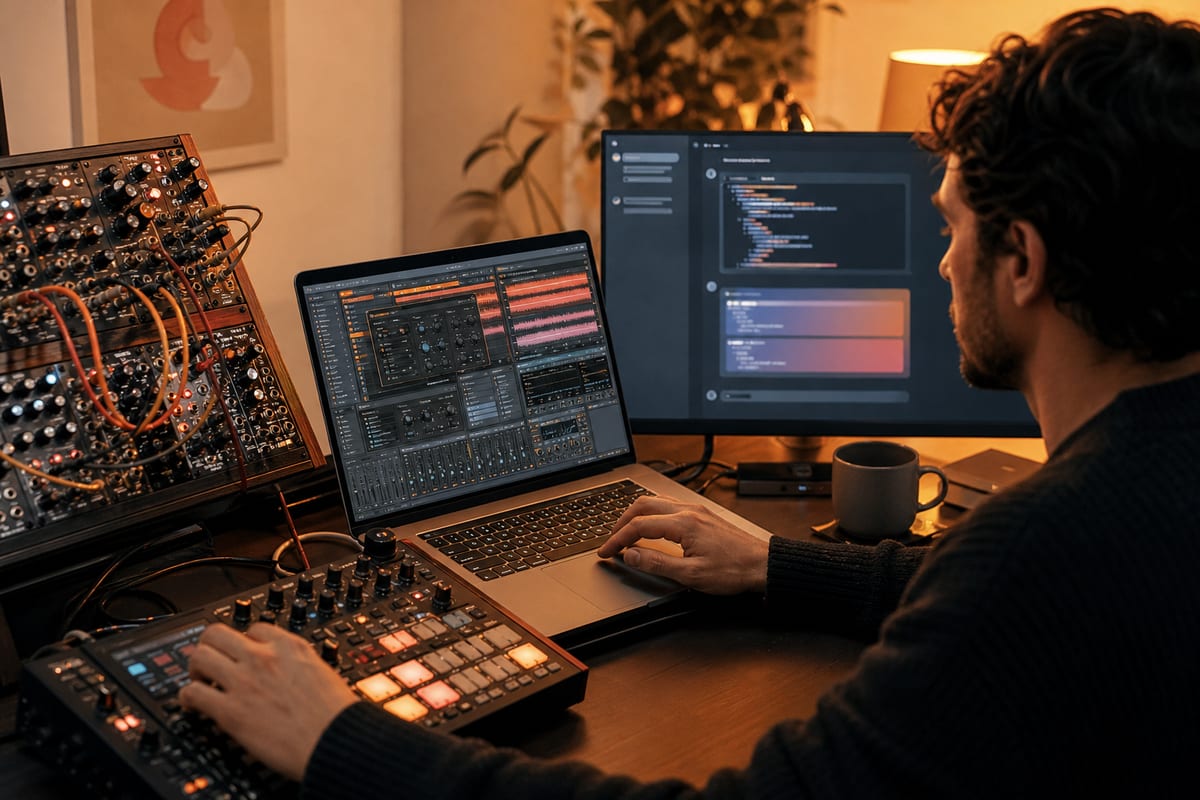
Code generation by chatbots is making its way into audio engineering, accelerating the release of plugins and firmware, even reaching GitHub. However, critics warn of sloppy copies, and a security study indicates a multiplied risk. Amid promises of accessibility and doubts, concrete examples are multiplying.
Security and Criticism: A Reported Risk Multiplied by Ten
Security researchers at Apiiro report that AI-assisted teams produce code with ten times the security risks compared to those not relying on these tools. At the same time, the quality of AI-generated or assisted plugins fuels a heated debate. Critics argue that AI code generation often results in poorly performing applications, especially among amateurs. SumnSumnSumn HTK, a rapper, producer, and plugin critic, opposes "AI slop plugins" and blames ambient coding for a wave of poorly executed copies of well-known software. Sam Willings, an editor at MusicTech, describes an influx of these types of plugins as untenable, while social media users express their distrust regarding the reliability of these tools. Concerns also target data security, given recurring issues observed in AI-generated applications, a topic deemed even more sensitive as many non-coders venture in without always being able to verify their AI agent's work. Some also point to paywalls that hinder the promised democratization, while others denounce a negative financial impact on creators of non-AI-assisted plugins. These reservations coexist with a current of optimism in the industry, indicating a sector divided.
What Ambient Coding Entails and Its Changes
Ambient coding involves obtaining code by formulating requests in natural language within an AI chatbot. Its practice is described as expanding and as a more affordable and simpler means of producing software, opening the door for music enthusiasts to design production tools via these agents. The main announced gain concerns time, with constraints that can be significantly reduced. However, programmers relying on AI agents warn that it is not an effortless automation. Evan Mezeske explains, for example, that building Anukari required a thousand-line design document as well as a thousand iterations with feedback and guidance. A musician turned developer summarizes the promise in terms of creative priority: otherwise, he would have devoted a considerable amount of time and energy to a single feature instead of making music with modifications.
Le brief IA que les pros lisent chaque soir
Les 7 actus IA du jour, décryptées en 5 min. Gratuit.
Inclus dès l'inscription : notre sélection des meilleurs guides & comparatifs IA.
Choisissez votre rythme
Gratuit · Pas de spam · Désabonnement en 1 clic
Old Technical Obstacles That Have Hindered Vocations
Plugins often need to operate across multiple operating systems and digital audio workstations, complicating their development. Designing this software requires skills in programming, audio engineering, and user interface design, and has long been costly and technically challenging. For non-coding musicians, the path involved either hiring a team or undergoing a long learning process. Despite systems like SynthEdit and FlowStone, and other visual programming environments that have helped design and share tools, the entry threshold has remained high: minor modifications to a synthesizer could take weeks of work. Historically, launching a plugin remained unrealistic for most enthusiasts, regardless of the quality of the idea. Plugins, which add instruments and effects to a DAW, have thus remained the domain of a technically equipped audience.
An Unprecedented Flow of Firmware and Plugins, Even on GitHub
Musicians, programmers, and companies are now publishing firmware for grooveboxes, synthesizers, and samplers in large numbers. Paid options and open-source projects are appearing on platforms like GitHub at an unprecedented rate. Forecasts suggest that the plugin market could double by 2033. This excitement is part of the massive arrival of software utilizing AI in audio engineering.
Anukari, Nova, Tresse: Concrete Use Cases
Evan Mezeske, a former software engineer at Google, designed the Anukari plugin through ambient coding. Anukari is a synthesizer based on an interactive 3D physical simulation, associated with a wide range of sound textures. Lunacy Audio reports having mobilized AI programs to assist its engineers in building Nova, presented by the company as a collaborative tool for audio. Nova allows for the offering of instruments described as unconventional, provided by Grammy-winning composers and producers. Another example, Tresse, a software synthesizer published by Vald Labs, is labeled as an AI-assisted plugin and receives favorable reviews. Mezeske detailed his development approach in a dedicated interview.
Between Lasting Promise and Aesthetic Debate
According to several observers, the long-term impact of AI-driven audio engineering software could surpass that of simple automatic song generation, a topic that divides those who advocate for unrestrained creativity from those who see it as widespread intellectual theft. John von Seggern, head of the online music school Futureproof, asserts that the interest in ambient coding lies in shifting the effort from coding to choices of taste and decision-making. These positions reflect an industry caught between enthusiasm and caution regarding this ongoing movement.
Brief IA — L'actualité IA en français
L'essentiel de l'actualité de l'intelligence artificielle, décrypté et expliqué chaque jour.