BAAJA Passes the U.S. Senate by 62 Votes to 33
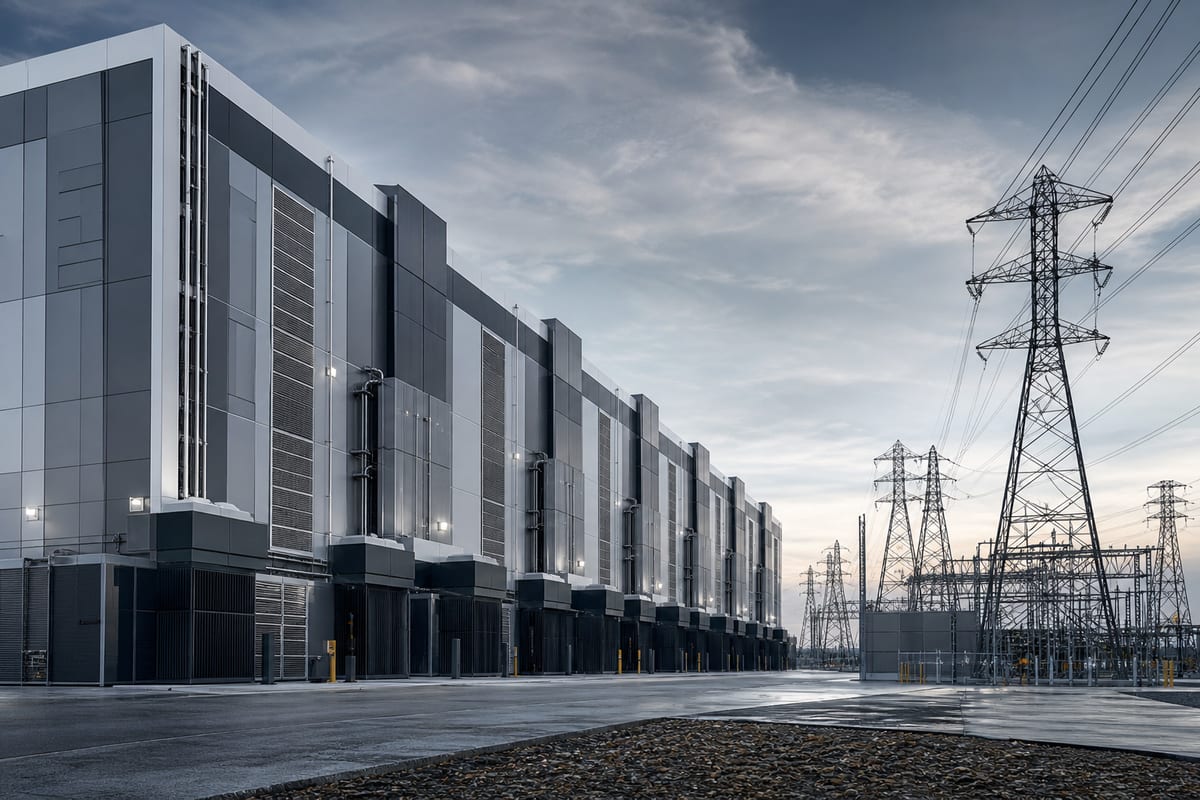
The U.S. Senate approved BAAJA on Thursday by a vote of 62 to 33, a reform bill for environmental permits and electric transportation supported by the technology and energy sectors. The bill still needs to pass the House before reaching Donald Trump, who is in favor of the agreement. A decrease in energy costs is expected, but Democrats are divided over environmental concessions.
Rhodium estimates additional electric capacities
Between 17 and 249 gigawatts of clean energy capacity could be built by 2040 thanks to the bill, according to the economic research firm Rhodium Group. Its projections also indicate an annual reduction in emissions ranging from 5 to 148 million metric tons by that time. Natural gas exports would increase by 8% to 15% beyond the already expected rise of 76% to 145% under current policies.
The provisions related to electric transportation would be the main benefit for renewables: insufficient transmission capacity often prevents new solar or wind farms from connecting to the grid. The compromise would also benefit fossil fuels. The technology industry, particularly AI, is expected to benefit as its data centers demand more electricity; however, hyperscalers would need to fund network improvements.
For Rob Gramlich, founder and president of the energy consulting firm Grid Strategies, the prospect of integrating more clean energy explains the support from many Democrats. He attributes the Republican interest to growth and the response to new significant electricity demands. He also believes that U.S. investments in the grid are still significantly behind those of other countries, a fact both parties are likely aware of.
Industry support and environmental opposition
Organizations from both renewable and fossil fuel sectors welcomed the vote. The American Clean Power Association, which represents renewables, anticipates a modernization of the U.S. energy system and lower prices. According to the American Petroleum Institute, which represents oil and gas, the reform would make energy less expensive, reduce costly delays, and promote infrastructure deemed necessary.
Some provisions of the bill also aim to prevent Donald Trump from reversing permits already granted to solar or wind projects. However, to expedite procedures, it would weaken certain environmental protections. Opponents criticize the concessions sought by Republicans and fossil fuel companies, fearing discretionary power granted to AI data centers.
Le brief IA que les pros lisent chaque soir
Les 7 actus IA du jour, décryptées en 5 min. Gratuit.
Inclus dès l'inscription : notre sélection des meilleurs guides & comparatifs IA.
Choisissez votre rythme
Gratuit · Pas de spam · Désabonnement en 1 clic
Climate organizations and tribes have contested the compromise. Amendments were made in the weeks leading up to the vote to address concerns from Native American tribes regarding their role in the permitting process. The Natural Resources Defense Council accuses the bill of allowing Trump to favor oil and gas companies and data center developers; it urges the House to reject it and revisit the reform next year.
Democrats divided ahead of House vote
In the House, Republican leadership is expected to seek the necessary votes, while Democrats are likely to remain divided. In the Senate, more Democrats voted against the compromise than in favor of it. However, more than a dozen supported it, including Chuck Schumer, a New York senator and Senate minority leader. Their party had won both chambers in the midterm elections a few weeks earlier, driven in part by issues related to the cost of living, and is set to take control in January.
The bill is officially titled the Bipartisan American Affordability and Jobs Act of 2026. Its author, Martin Heinrich, a Democratic senator from New Mexico who is set to chair the Senate Energy and Natural Resources Committee, negotiated it with his Republican counterpart from Utah, Mike Lee. Also involved were Sheldon Whitehouse, a Democrat from Rhode Island, and Shelley Moore Capito, a Republican from West Virginia, the main leaders of their parties on the Senate Environment and Public Works Committee.
Martin Heinrich acknowledges the imperfections of the compromise but defends the need for more affordable electricity without waiting several years, presenting the bill as a response to the electoral message sent earlier in the month. Democrats in favor of the agreement tout the expected savings and the potential contribution of clean electricity. Before the vote, Ruben Gallego, a Democratic senator from Arizona, attributed major effects to it for the next 100 years, including a reduction in emissions after the president's departure.
Scott Peters, a Democratic representative from California and a proponent of the reform, asserts that BAAJA would fulfill promises of reducing bills and pollution while protecting consumers; he calls for a vote before the end of the current Congress. In contrast, Jared Huffman, a Democratic representative from California and the main representative of his party on the House Natural Resources Committee and a likely future chair of that body, urges a vote against it. He claims that a better compromise can be negotiated.
Brief IA — L'actualité IA en français
L'essentiel de l'actualité de l'intelligence artificielle, décrypté et expliqué chaque jour.